
Quick Overview: This guide compares popular wall-mounted electric convection and panel heaters suited for rooms, bedrooms, bathrooms, and small living spaces. Below is a summary table of the five selected models covered in detail.
| Product | Brand | Key Features |
|---|---|---|
| EconoHome Wall Heater Panel | EconoHome | 400W convection panel, thermostat, overheat protection, hardwire option |
| Envi Plug-In Electric Panel Heater | ENVI | Plug-in, fan-less stack convection, safety sensor, cool exterior |
| Envi 220V Hardwired Panel Heater | ENVI | Hardwired 220V, comfort thermostat, quiet fan-less design, wall-sense safety |
| DeLonghi Convection Panel Heater | De’Longhi | 1500W, portable or wall mount, ECO Plus energy-saving mode, timer |
| Lueptexx 800W Convection Heater | Lueptexx | 800W convection, remote, 24h timer, child lock, tilt shutoff |
Content Navigation
EconoHome Wall Heater Panel

Overview: The EconoHome panel is a low-watt convection wall heater intended for rooms up to 120 sq ft. It emphasizes energy efficiency and steady ambient warmth rather than high-temperature rapid heating.
Key Features: 400 watts at 120V, energy consumption stated as 0.6 kW/hr, built-in thermostat with temperature range 41–86°F, overheat protection, and an included heat reflector. Panel dimensions are 23.5 x 23.5 x 1/4 inch.
Installation & Safety: Offers a hard-wired option for permanent installation. Certified to cETL and compliant with UL-2021 & RoHS standards. Manufacturer provides a three-year warranty and the exterior is designed to remain warm (not hot) to the touch.
Use Cases: Suited for supplemental heating in small bedrooms, home offices, or enclosed living nooks where continuous low-wattage convection heating is preferred.
Call 888-896-7031 for Free Local HVAC Quotes – Compare and Save Today!
Envi Plug-In Electric Panel Heater
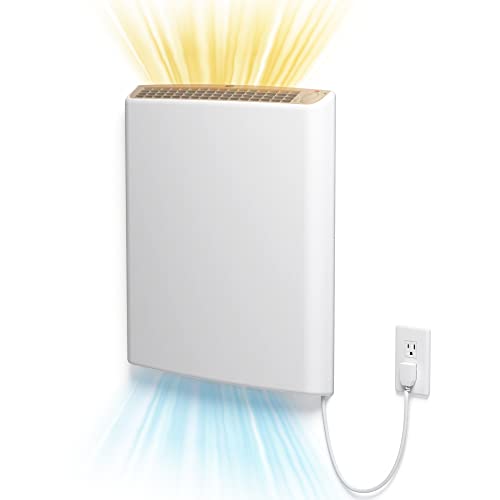
Overview: ENVI’s plug-in panel heater focuses on low-wattage continuous comfort with a patented fan-less “Stack Convection” design. It’s designed for easy 2-minute installation and 24/7 operation.
Key Features: Quiet fan-less operation that avoids circulating dust and allergens, runs at a cool exterior temperature (about 90°F), and includes a wall-sense safety sensor that cuts power if the unit is removed from the wall.
Benefits: Because it’s plug-in and runs quietly, it’s useful in bedrooms, offices, or rooms where noise and air movement are a concern. The design helps maintain humidity versus drying the air, which can be beneficial for sensitive occupants.
Limitations: Low-wattage units are intended for targeted or supplemental heating; coverage area and warm-up speed are modest compared with higher-wattage units.
Envi 220 Volt Hardwired Panel Heater

Call 888-896-7031 for Free Local HVAC Quotes – Compare and Save Today!
Overview: This ENVI model is a hardwired 220V wall panel designed to replace or supplement central heat with continuous, low-temperature convection warmth delivered quietly without a fan.
Key Features: Designed for energy savings (company claims up to 50% on heating bills when used strategically), wall-sense safety sensor, cool-to-touch exterior (~90°F), and a comfort-level thermostat. The fan-less stack convection technology produces slow-moving warm airflow.
Installation & Use: Requires hardwiring to 220V electrical circuits and professional installation is typically recommended. Well-suited for whole-room comfort in bedrooms, bathrooms, or garages where a permanent, discreet heater is preferred.
Considerations: Hardwiring can limit portability but provides a cleaner look and continuous availability without visible cords or plugs.
DeLonghi Convection Panel Heater

Overview: DeLonghi’s convection panel heater provides higher output (1500W) for medium to large rooms and offers both freestanding and wall-mounted installation options. It incorporates energy-saving modes and programmable features.
Key Features: 1500W power for faster and broader heat distribution, ECO Plus function for automatic energy optimization, timer function, and included mounting kit with removable feet for floor placement.
Versatility: Because it can be freestanding or wall mounted, DeLonghi’s model works in rooms that need portable heating now and a permanent wall solution later. The higher wattage suits larger spaces compared with low-watt panel units.
Tradeoffs: Higher power increases heat output but also demands more electrical capacity. For targeted, long-term low-wattage use, smaller convection panels would be more efficient.
Lueptexx 800W Convection Heater

Overview: The Lueptexx 800W panel blends convection heating with features aimed at convenience and safety, such as remote control, 24-hour timer, child lock, and a tilt/shutoff safety mechanism.
Key Features: 800W convection output, fan-less operation for quiet heating, remote control and programmable 24-hour timer, child lock, and a safety shutdown if tilted more than 15 degrees.
Safety & Operation: The tilt shutoff and child lock make this unit practical for family spaces. The product page includes a specific safety notice about ensuring upright orientation for proper operation.
Best Uses: Appropriate for bedrooms, small to medium rooms, or as a supplemental heater in spaces where programmable schedules and remote control improve convenience.
Buying Guide: How To Choose A Wall-Mounted Convection Panel Heater
Heating Type — Convection vs. Infrared: Convection panel heaters warm the air and circulate it slowly, producing even ambient warmth best for whole-room comfort. Infrared (radiant) heaters warm objects and people directly and can feel warmer faster at lower air temperatures. Choose convection panels for uniform room heating and infrared for spot or quick-direct warmth.
Wattage & Room Size: Match heater wattage to room area. Low-watt models (300–800W) suit small rooms or supplemental use. Mid-to-high wattage (1000–1500W) is better for medium or larger rooms and quicker heat. Consider how often you’ll use the heater and whether it will supplement central heat.
Power Source & Installation: Plug-in units offer portability and simple installation. Hardwired 220V units require professional installation but provide a cleaner look and permanent deployment. Check local electrical capacity and outlet availability before selecting.
Controls & Thermostat: Built-in thermostats stabilize room temperature and reduce cycling. Programmable timers and remote controls add convenience and energy savings by matching run times to occupancy patterns.
Safety Features: Look for overheat protection, cool-to-touch exteriors, tip or tilt shutoff, and wall-sense or removal sensors for plug-in models. These are important in homes with children, pets, or the elderly.
Noise & Air Quality: Fan-less convection panels are silent and do not stir dust or allergens, suitable for bedrooms and allergy-sensitive households. Fans can accelerate heat distribution but may increase noise and circulate airborne particles.
Energy Efficiency: Many manufacturers cite energy savings when using targeted zone heating. Consider units with ECO modes, thermostatic control, and appropriate wattage to minimize continuous draw.
Mounting Options & Aesthetics: Decide between fixed wall installation or freestanding units with wall-mount kits. Slim panel designs are less obtrusive; finishes and dimensions matter for confined spaces.
Warranty & Support: Check manufacturer warranty length and available customer support. Longer warranties and clear return policies offer added assurance for long-term use.
Comparison Perspectives:
Tips for Getting the Best HVAC Prices
- Prioritize Quality Over Cost
The most critical factor in any HVAC project is the quality of the installation. Don’t compromise on contractor expertise just to save money. - Check for Rebates
Always research current rebates and incentives — they can significantly reduce your overall cost. - Compare Multiple Quotes
Request at least three estimates before making your choice. You can click here to get three free quotes from local professionals. These quotes include available rebates and tax credits and automatically exclude unqualified contractors. - Negotiate Smartly
Once you've chosen a contractor, use the proven strategies from our guide — How Homeowners Can Negotiate with HVAC Dealers — to get the best possible final price.
- Cost To Run: Lower wattage models cost less to operate but heat smaller areas more slowly. Higher wattage warms faster but uses more power per hour.
- Comfort Style: Convection panels create ambient warmth; infrared feels warmer at the point of contact. Choose based on whether you want whole-room comfort or targeted warmth.
- Installation Tradeoffs: Plug-in for convenience vs. hardwired for permanence and aesthetics. Hardwiring often requires an electrician.
- Safety Priorities: If children or pets are present, favor units with cool exteriors, tilt shutoff, and wall-sense sensors.