
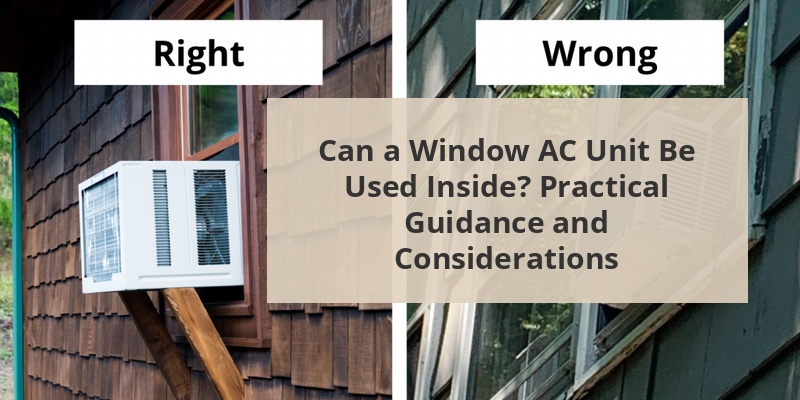
Many homeowners wonder if installing a window air conditioner indoors is possible, especially when windows are unavailable or the setup seems inconvenient. This article explores the feasibility, risks, and alternatives to using a window AC unit entirely inside a room. It provides actionable insights for Americans seeking cooling solutions in challenging spaces.
Window AC Units: How They Work
Window AC units function by separating hot and cold air streams for efficient cooling. The front portion inside the room pulls in warm air, cools it with coils, and blows it back. The rear portion expels the heat outdoors. This fundamental design requires them to vent hot air outside to prevent overheating and to maintain cooling performance.
What Happens If You Use A Window AC Unit Indoors?
If a window AC unit is operated entirely indoors, the expelled hot air from the condenser stays within the living space. This setup negates the cooling effect, as the heat removed from the air is released back into the same environment, ultimately raising the room temperature. Additionally, the compressor generates extra heat, contributing to overall inefficiency and potentially health-hazardous conditions.
Main Reasons People Consider Indoor Use
- No Suitable Windows: Some rooms lack appropriately sized windows or windows at all, making standard installation impossible.
- Security Concerns: Ground-level window installations can create security risks.
- Aesthetic Preferences: Homeowners may wish to avoid external unit visibility for HOA compliance or personal taste.
Technical Barriers To Indoor-Only Operation
Key technical limitations prevent window AC units from functioning indoors as intended:
- Heat Displacement: The core issue is that window ACs must discharge heat outdoors; inside placement causes heat to recirculate.
- Moisture Management: These units remove humidity from the air, which must also be managed by draining condensate, typically to the outside.
- Electrical Efficiency: The compressor and fan motors generate additional heat, increasing room temperatures and electricity use.
Potential Risks Of Indoor-Only Operation
- Ineffective Cooling: The machine is likely to heat the room instead of cooling it.
- Unit Damage: Extended use in a closed space can cause overheating, compressor failure, or refrigerant problems.
- Safety Issues: Overworked units may present fire risks or electrical hazards due to cycling under stress.
Case Study: Attempting Indoor Use
Homeowners sometimes experiment by setting the unit inside and venting hot air via DIY ducting or a secondary exhaust route. However, such methods are often inefficient, prone to air leaks, and not recommended by manufacturers. Attempts to contain hot air using boxes or elaborate ductwork typically result in poor cooling and excessive noise.
Manufacturer Recommendations And Warranties
Most window AC manufacturers explicitly warn against indoor-only operation. Going against installation guidelines can void warranties. Appliances are tested and certified only for recommended setups, so unapproved use can forfeit consumer protections and product support.
Call 888-896-7031 for Free Local HVAC Quotes – Compare and Save Today!
Alternatives To Using A Window AC Unit Entirely Indoors
There are viable cooling solutions when a window AC is not installable in the intended room:
- Portable Air Conditioners: Designed for interior use, these units vent hot air via flexible exhaust hoses fitted to window kits or wall vents.
- Mini-Split Systems: Ductless air conditioners deliver powerful cooling and heating with only a small opening needed for refrigerant lines.
- Through-The-Wall Units: May be installed into an exterior wall when windows are unavailable.
- Evaporative Coolers: In dry climates, these (also called “swamp coolers”) may provide relief without outdoor venting.
Comparison Table: AC Solutions For Windowless Rooms
| Solution | Cooling Power | Setup Required | Installation Complexity | Typical Cost Range |
|---|---|---|---|---|
| Window AC (properly installed) | High | Standard window access | Low | $150-$500 |
| Portable AC | Moderate-High | Exhaust hose + window/vent kit | Moderate | $250-$700 |
| Mini-Split System | High | Outdoor unit + wall mount | Professional (high) | $1,500-$3,500+ |
| Through-The-Wall Unit | High | Wall cut-out | Moderate-High | $400-$1,000 |
| Evaporative Cooler | Low-Moderate (Dry Climates) |
Plug-and-play | Low | $100-$400 |
DIY Venting: Is It Possible Or Safe?
Some DIYers attempt to vent window AC units indoors by constructing boxes or using ducts to route hot air elsewhere. While such approaches can sometimes direct heat out, they introduce inefficiencies, leaks, and safety hazards. The internal airflow of a window unit may be disrupted, causing poor cooling and motor strain.
- Proper Sealing Is Challenging: Makeshift ducting is prone to leaks, allowing hot air to circulate back.
- Fire And Condensation Risks: Nonstandard setups can lead to overheating or water damage around the vent path.
- Code Compliance Concerns: DIY modifications may violate building, electrical, or fire codes, risking liability.
Window AC Unit Design Principles Explained
A window AC unit features two separate air loops: one for indoor air (cooling), and one for outdoor air (exhaust). Dual-fan architecture ensures hot air and cold air never mix, optimizing cooling efficiency and maintaining manageable indoor humidity.
- Intake and exhaust vents are physically separated by insulation and design barriers.
- The evaporator coil (inside) cools and dehumidifies room air; the condenser coil (outside) discharges heat externally.
What If You Do Not Have A Window?
Americans often seek creative cooling solutions for basements, attics, or internal rooms. Some options include:
- Wall Cutouts: If feasible, a permanent exterior wall opening can mimic a window installation.
- Drop Ceiling Vents: In commercial spaces, venting exhaust to a plenum or utility chase (with code compliance) is an option.
- Relocation Of Unit: Installing the unit in a nearby window and using a fan to circulate cool air can supplement airflow.
Potential Workarounds And Their Drawbacks
Some users try running the unit with only the intake indoors, using tubing to exhaust air into another space (like a garage). Even in these scenarios, the unit will not achieve rated cooling power, may stress its internal systems, and can cause moisture buildup or electrical hazards.
Air Circulation: Why It Matters For Indoor AC Units
Proper air circulation is vital to prevent heat lock-in and condensation. A professionally installed AC ensures continuous fresh air intake and exhaust, preventing a stuffy or unhealthy environment indoors.
Call 888-896-7031 for Free Local HVAC Quotes – Compare and Save Today!
- Poorly ventilated spaces can develop mold, uncomfortable humidity, and even pose risks to respiratory health.
- Window AC units are not intended to recirculate air exclusively within a closed loop.
Portability And Adaptability: Pros And Cons Of Freestanding AC Units
Portable AC units provide flexibility when traditional window installations are impossible. These systems channel warm air out using included kits and can be repositioned as needed.
- They require a compatible window or vent point for exhausting hot air, though hose length and size may be limiting factors.
- Efficiency may be less than a window AC due to energy losses in flexible ducting.
Health And Safety Considerations
Using a cooling unit against manufacturer recommendations can create air quality, electrical, and fire safety risks. Ineffective cooling can also exacerbate heat exhaustion symptoms during heat waves.
- Excess heat and humidity are associated with indoor mold and mildew.
- Overheating appliances pose a risk of fire, especially if electrical wiring is outdated or overloaded.
Energy Efficiency Implications
Running a window AC unit entirely indoors is highly inefficient. The compressor must work harder, using more electricity and driving up energy bills while delivering diminished cooling results.
- US Department of Energy guidelines recommend using only the correct type of cooling unit for a given space to optimize comfort and efficiency.
Noise Levels And Disturbance Risks
Attempting to run a window AC fully inside often produces more noise and operational disturbance. The condenser fan and compressor, both designed for outdoor operation, will contribute to unwanted mechanical sound and vibration within the indoor space.
Homeowner Tips For Cooling Spaces Without Windows
- Evaluate Alternative Systems: Consider portable air conditioners or ductless mini-splits as primary choices when regular window AC units are not an option.
- Promote Natural Ventilation: Use strategic fans and keep interior doors open to facilitate air movement between rooms.
- Optimize Insulation: Address gaps, cracks, and sun exposure with thermal curtains or reflective film to reduce heat gain.
Legal And Code Compliance Considerations
Improper installations may violate city codes, lease agreements, or HOA guidelines. Homeowners should always check local ordinances regarding exterior modifications and use only code-compliant equipment for permanent installations.
- DIY adaptations using window ACs for interior cooling may also risk voiding renters’ insurance or homeowners’ policies in case of fire or water damage.
Frequently Asked Questions About Indoor Use Of Window AC Units
| Question | Quick Answer |
|---|---|
| Can I Use A Window AC Anywhere Indoors? | No. Window ACs are not designed for fully indoor use and require proper exhaust setup to function safely and efficiently. |
| What Happens If I Ignore Instructions? | Overheating, poor cooling, voided warranty, higher risk of electrical or fire hazards. |
| Are There Any Window AC Units Designed For All-Indoor Use? | No. Portable ACs or evaporative coolers are better suited for non-window applications. |
When In Doubt, Consult A Professional
If cooling needs are complex or traditional window setups are impossible, consult a local HVAC technician. A professional can recommend safe alternatives such as mini-splits or through-the-wall units that preserve both comfort and home safety.
Tips for Getting the Best HVAC Prices
- Prioritize Quality Over Cost
The most critical factor in any HVAC project is the quality of the installation. Don’t compromise on contractor expertise just to save money. - Check for Rebates
Always research current rebates and incentives — they can significantly reduce your overall cost. - Compare Multiple Quotes
Request at least three estimates before making your choice. You can click here to get three free quotes from local professionals. These quotes include available rebates and tax credits and automatically exclude unqualified contractors. - Negotiate Smartly
Once you've chosen a contractor, use the proven strategies from our guide — How Homeowners Can Negotiate with HVAC Dealers — to get the best possible final price.
Key Takeaways For Home Cooling Choices
- Window AC units cannot be effectively or safely used entirely inside a room without venting outdoors.
- Portable and ductless solutions are available for spaces lacking appropriate windows.
- Adhering to manufacturer guidelines and local codes protects cooling performance, safety, and investment value.