
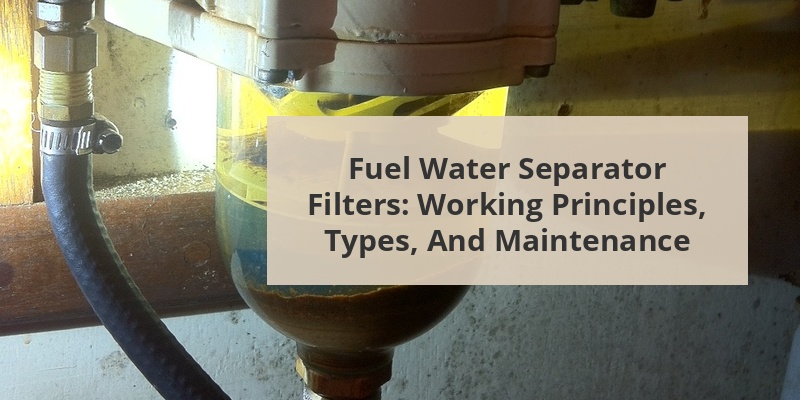
Fuel water separator filters are crucial components in fuel systems that help prevent water contamination from damaging engines and fuel systems. These specialized filters use a combination of mechanical filtration and chemical principles to remove water droplets and particulates from fuel before they reach sensitive engine components. Water contamination in fuel can cause serious problems including corrosion, microbial growth, reduced engine efficiency, and potentially catastrophic engine damage. Understanding how these filters work is essential for anyone who manages vehicles, machinery, or other fuel-powered equipment.
A fuel water separator filter is a specialized filtration device designed to remove water and contaminants from fuel. Unlike standard fuel filters that primarily trap solid particles, water separators are specifically engineered to address the unique challenge of water contamination. These filters utilize both physical separation and chemical processes to effectively extract water from fuel systems in various applications including automotive engines, marine vessels, aviation, and industrial equipment.
Most modern fuel systems incorporate water separator filters as a protective measure, particularly in diesel engines which are especially vulnerable to water damage. The technology has evolved significantly over the years, with today’s separators achieving remarkable efficiency in maintaining fuel purity.
Content Navigation
How Fuel Water Separator Filters Work
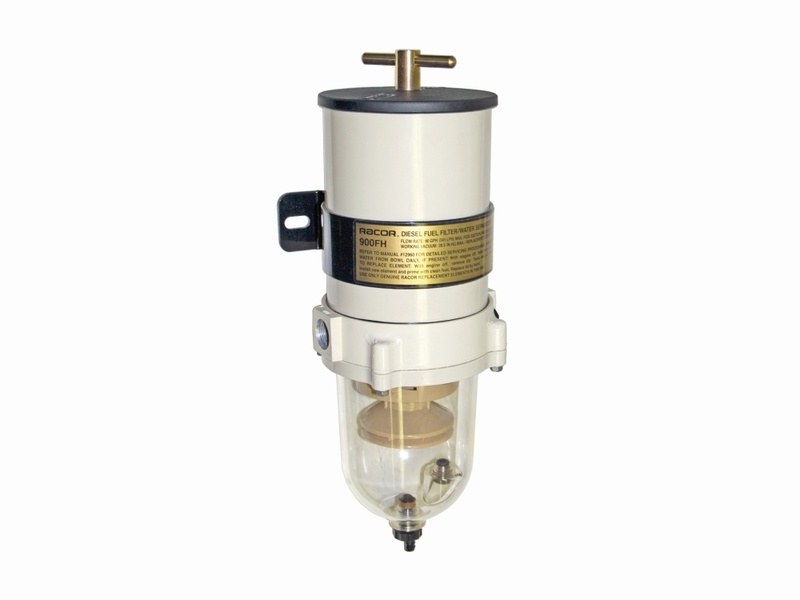
The operation of fuel water separator filters relies on several physical principles and specialized design features. The primary function occurs through a multi-stage process that exploits the different properties of water and fuel.
The Science Behind Water-Fuel Separation
The fundamental principle behind water-fuel separation is based on the different molecular properties of water and fuel. Water molecules are more polar than fuel molecules, causing them to be attracted to certain materials differently. Water also has a higher density than most fuels, which allows for gravitational separation.
Modern separators typically employ one or more of these scientific principles:
Call 888-896-7031 for Free Local HVAC Quotes – Compare and Save Today!
- Coalescence: Small water droplets combine into larger ones that can be more easily separated
- Gravity separation: Heavier water particles naturally sink to the bottom of the separator
- Surface tension differences: Materials that repel fuel but attract water
- Hydrophobic/hydrophilic interactions: Filter media that repels water while allowing fuel to pass through (or vice versa)
Key Components of Fuel Water Separators
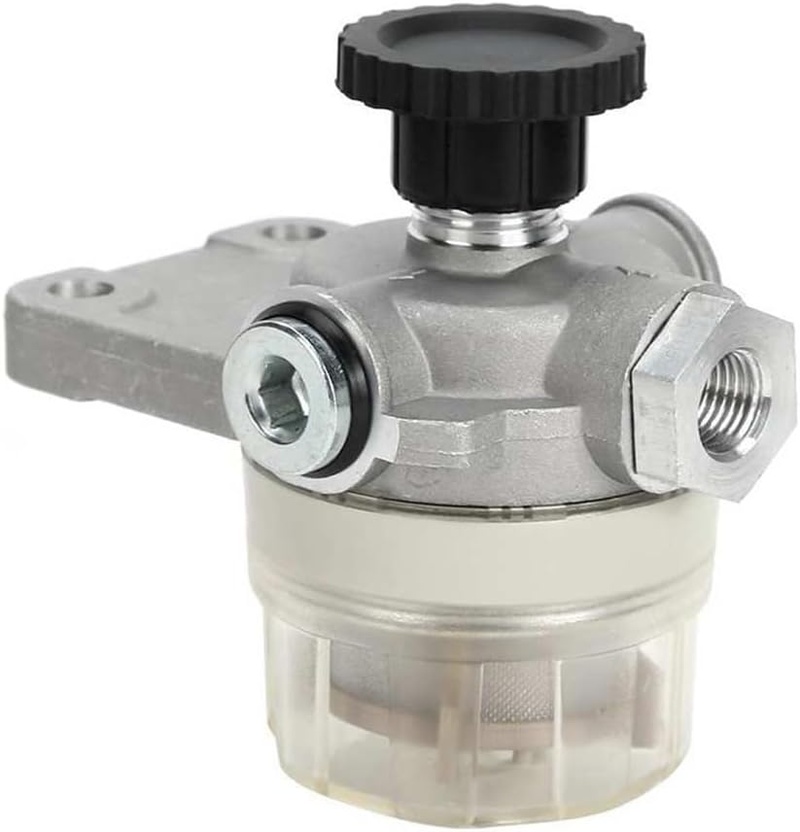
A typical fuel water separator consists of several components working together to achieve effective filtration:
- Primary filter element: Removes larger particulates and begins the separation process
- Coalescing media: Special materials that cause water droplets to combine and grow larger
- Separator stage: Often made of hydrophobic materials that repel water while allowing fuel to pass
- Collection bowl/sump: Located at the bottom to collect separated water
- Water drain valve: Allows for periodic removal of collected water
- Water detection sensors: In advanced systems, these alert operators when water needs to be drained
The fuel first passes through the primary filter, which removes solid contaminants. Next, it encounters the coalescing media where tiny water droplets combine into larger drops. These larger water droplets then fall to the collection bowl due to gravity, while the clean fuel continues through the system to the engine.
Types of Fuel Water Separator Filters
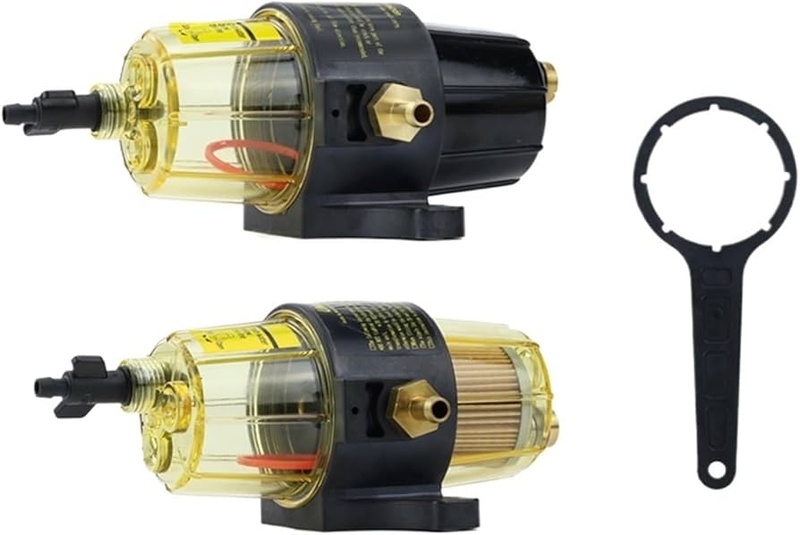
Several types of fuel water separator filters are available, each designed for specific applications and operating conditions. The selection depends on factors like engine type, fuel used, operating environment, and required maintenance intervals.
| Type | Design Features | Best For | Efficiency | Maintenance Requirements |
|---|---|---|---|---|
| Spin-on Separators | All-in-one cartridge design, easily replaceable | Automotive, light trucks, small marine engines | Moderate to high | Regular replacement (10,000-15,000 miles) |
| Canister-type Separators | Replaceable filter element in permanent housing | Heavy-duty trucks, large marine engines | High | Element replacement (15,000-30,000 miles) |
| Multi-stage Systems | Multiple filtration stages in series | Commercial vessels, industrial generators | Very high | Complex but less frequent maintenance |
| High-capacity Separators | Large water collection capacity | Agricultural equipment, construction machinery | High | Regular water drainage, annual replacement |
| In-line Compact Separators | Small size, limited capacity | Small engines, outboard motors | Moderate | Frequent inspection and replacement |
Benefits of Using Fuel Water Separator Filters
The incorporation of fuel water separator filters provides numerous advantages for engine performance, longevity, and operational reliability. These benefits far outweigh the modest investment in purchasing and maintaining these filtration systems.
- Engine protection: Prevents water-induced corrosion of fuel injectors, pumps, and other components
- Improved combustion efficiency: Clean, water-free fuel burns more completely
- Prevention of microbial growth: Eliminates the water environment where bacteria and fungus thrive
- Extended fuel system life: Reduces wear on injectors, pumps, and other components
- Cold weather protection: Prevents water freezing in fuel lines and components
- Reduced emissions: More efficient combustion leads to cleaner exhaust
- Lower maintenance costs: Prevents expensive repairs caused by water damage
Common Applications
Fuel water separator filters are utilized across numerous industries and applications where fuel quality is critical to operation. Each application may require specific design considerations based on operating conditions.
- Diesel engines: Trucks, buses, cars, generators, and construction equipment
- Marine applications: Boats, ships, and offshore equipment where water contamination is highly likely
- Aviation: Aircraft fuel systems require extremely effective water separation
- Agricultural equipment: Tractors, harvesters, and irrigation pumps operating in dusty, humid conditions
- Military vehicles: Operating in extreme and varied conditions requiring reliable fuel quality
- Industrial power generation: Backup generators and continuous power systems
- Mining equipment: Heavy machinery operating in challenging environments
Maintenance and Replacement
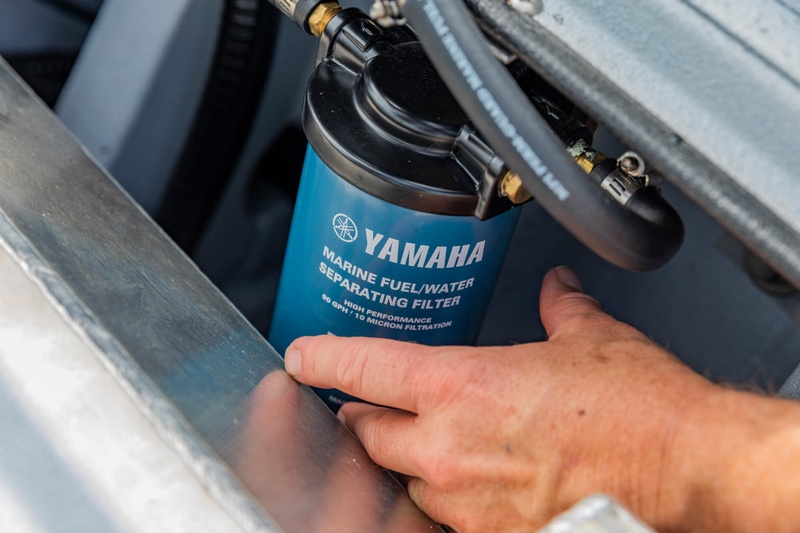
Proper maintenance of fuel water separator filters is essential to ensure continued protection and performance. Regular inspection and service significantly extend engine life and prevent costly breakdowns.
Call 888-896-7031 for Free Local HVAC Quotes – Compare and Save Today!
Maintenance typically involves:
- Regular draining of the water collection bowl (frequency depends on operating conditions)
- Periodic inspection of the filter element for damage or clogging
- Filter replacement according to manufacturer recommendations or when signs of clogging appear
- Checking seal integrity to prevent air leaks that can cause priming issues
- Cleaning the housing and components during filter changes
Most automotive applications require filter replacement every 10,000-30,000 miles, while marine and industrial applications may have different intervals based on fuel quality and operating conditions. Always follow manufacturer guidelines for maintenance schedules and procedures.
Troubleshooting Common Issues
Even with the best maintenance practices, fuel water separator systems can occasionally experience problems. Recognizing the symptoms and knowing how to address them can prevent more serious engine damage.
| Problem | Symptoms | Potential Causes | Solutions |
|---|---|---|---|
| Water not separating properly | Engine performance issues, water in fuel system beyond filter | Damaged filter, extreme contamination, improper installation | Replace filter, check for source of contamination |
| Fuel flow restriction | Engine power loss, stalling, difficulty starting | Clogged filter, frozen water in filter (cold weather) | Replace filter, add fuel antifreeze in cold conditions |
| Leaking connections | Visible fuel leaks, fuel odor, low fuel pressure | Loose fittings, damaged seals, cracked housing | Tighten connections, replace seals or unit if damaged |
| Water sensor malfunction | False alarms or no warning when water is present | Electrical issues, sensor contamination, wiring problems | Clean sensors, check wiring, replace if necessary |
| Air in fuel system | Hard starting, sputtering, irregular idle | Poor seal at filter, improper priming after service | Check all seals, properly prime system, bleed air |
When troubleshooting any fuel system issue, always start with the basics: check for water in the collection bowl, inspect the filter for damage or clogging, and ensure all connections are secure. If problems persist after basic maintenance, consult with a qualified technician who can perform more advanced diagnostics.
Tips for Getting the Best HVAC Prices
- Prioritize Quality Over Cost
The most critical factor in any HVAC project is the quality of the installation. Don’t compromise on contractor expertise just to save money. - Check for Rebates
Always research current rebates and incentives — they can significantly reduce your overall cost. - Compare Multiple Quotes
Request at least three estimates before making your choice. You can click here to get three free quotes from local professionals. These quotes include available rebates and tax credits and automatically exclude unqualified contractors. - Negotiate Smartly
Once you've chosen a contractor, use the proven strategies from our guide — How Homeowners Can Negotiate with HVAC Dealers — to get the best possible final price.