
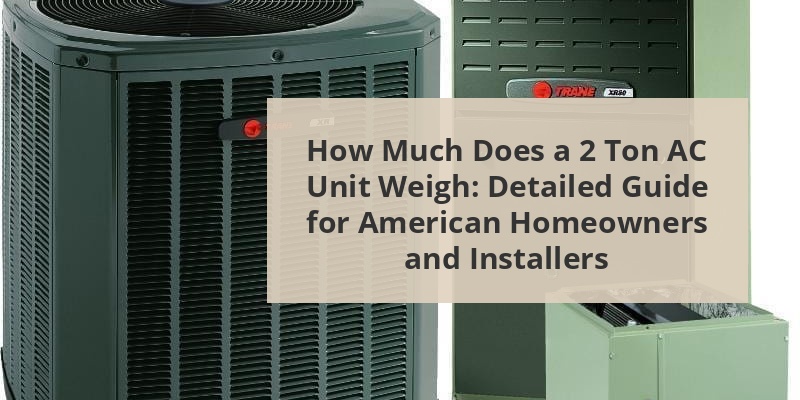
Choosing the right air conditioning unit involves several technical considerations—one of the most important being the actual weight of the AC system. Understanding how much a 2 ton AC unit weighs is crucial for both residential buyers and HVAC professionals when planning installation, replacement, or transportation. This article explores the weight range for different 2 ton AC types, key influencing factors, and practical tips for selecting and handling these systems efficiently in American homes.
Summary Table: Average Weights For 2 Ton AC Units
| Type of 2 Ton AC Unit | Average Weight | Typical Applications |
|---|---|---|
| Central Split System (Outdoor Condenser) | 120-220 lbs | Standard U.S. Homes |
| Central Split System (Indoor Air Handler/Furnace) | 80-140 lbs | Basement or Closet Installations |
| Ductless Mini-Split (Outdoor Condenser) | 75-120 lbs | Apartments, Add-ons, Retrofits |
| Ductless Mini-Split (Indoor Unit) | 25-40 lbs | Wall or Ceiling Mount |
| Packaged Air Conditioner | 180-320 lbs | Rooftop, Mobile Homes |
What Is A 2 Ton AC Unit?
A 2 ton AC unit refers to an air conditioner system with the capacity to move 24,000 BTUs (British Thermal Units) of heat per hour. “Ton” refers to the cooling power and not the actual weight. These units are commonly chosen for homes sized around 1,100–1,400 square feet, depending on climate and insulation needs.
Main Types Of 2 Ton AC Units And Their Weights
Central Split System Air Conditioners
This system consists of two main components: the outdoor condenser/compressor and the indoor air handler or furnace coil. The outdoor condenser for a 2 ton unit typically weighs between 120 and 220 pounds. Factors like compressor type, cabinet design, and materials can impact this range.
The indoor air handler portion generally weighs between 80 and 140 pounds for the coil and blower assembly alone. If combined with a furnace, the total can be higher.
Ductless Mini-Split Air Conditioners
Ductless systems have a compact footprint, making them popular in retrofits and additions. The outdoor condenser usually weighs 75 to 120 pounds. These units require less sheet metal and insulation than central units, which keeps weight down.
The indoor head units (typically one to four per system) are even lighter, weighing just 25 to 40 pounds, simplifying wall or ceiling mounting without extensive supports.
Call 888-896-7031 for Free Local HVAC Quotes – Compare and Save Today!
Packaged Air Conditioners
Packaged AC units combine all core components (compressor, condenser, evaporator) into one exterior cabinet—often placed on rooftops or ground pads, especially in mobile homes. These are the heaviest, with 2 ton models typically weighing 180 to 320 pounds. Extra components and larger cabinets add mass for weather resistance and durability.
Weight Variations: Key Influencing Factors
The weight of a 2 ton AC unit can fluctuate depending on several diverse factors. Knowing these helps with proper selection and planning for installation or replacement.
- Compressor Type: Scroll compressors tend to be lighter than reciprocating designs.
- Cabinet Material: Galvanized steel enclosures are heavier than aluminum or composite alternatives, which some manufacturers use for corrosion resistance and weight reduction.
- Coil Construction: Copper coils are heavier than aluminum ones, but offer superior heat transfer in many climates.
- Sound Insulation: Premium models have more sound-dampening foam or heavy steel panels that add to overall weight.
- Integrated Accessories: Some systems arrive with factory-installed heater strips, air purifiers, or advanced electronics, further increasing weight.
- Manufacturer Design: Different brands have distinct engineering priorities; for instance, Carrier, Trane, Lennox, Goodman, and Bryant units can differ by 20–40 lbs for the same ‘2 ton’ spec.
Why Does Weight Matter For AC Installation?
Knowing how much a 2 ton AC unit weighs is crucial for several reasons during HVAC installation and replacement projects:
- Structural Load Planning: Attics, rooftops, and slabs have weight limits that must not be exceeded to avoid structural damage.
- Transport and Handling: Heavier systems require specialized dollies, additional manpower, or equipment such as cranes.
- Replacement Feasibility: Upgrading from a lighter to a significantly heavier system might require site modifications.
- Permit and Inspection Codes: Local U.S. building codes may require confirming if mounting surfaces can support the unit’s weight safely.
Estimated Weights Of Popular 2 Ton AC Brands And Models
| Brand / Model | Type | Outdoor Unit Weight (lbs) | Indoor Unit Weight (lbs) |
|---|---|---|---|
| Trane XR14 | Split System | 168 | 95 |
| Carrier Comfort 24ABC6 | Split System | 155 | 110 |
| Goodman GSX16 | Split System | 143 | 105 |
| Lennox ML14XC1 | Split System | 152 | 112 |
| Mitsubishi MXZ-2C20NAHZ2 (Mini-split) | Ductless Mini-Split | 90 | 29 (x2 for two zones) |
| Rheem RP14 | Packaged | 235 | N/A |
Always check specific manufacturer data for the exact weight of your intended unit, as model-years and subtypes may alter totals by 10–25 pounds.
How To Find The Weight Of A Specific 2 Ton AC Unit
The easiest ways for homeowners and HVAC techs to confirm the weight of an air conditioning system include:
- Manufacturer Technical Specifications: All reputable producers list gross and shipping weights in product spec sheets and installation manuals, available online or with unit packaging.
- Label On The Unit: Outdoor cabinets and indoor coils have a spec label describing model, BTUs, and weight in both pounds and kilograms.
- Consult Your Installer: HVAC pros often keep records or digital libraries for equipment commonly used in your region.
Weight Considerations When Replacing A 2 Ton AC Unit
When swapping out an older AC for a new 2 ton model, account for possible weight differences. Modern high-efficiency systems may feature different frame sizes to meet SEER2 efficiency standards, which could mean more or less overall weight compared to legacy refrigerant models.
Call 888-896-7031 for Free Local HVAC Quotes – Compare and Save Today!
When upgrading, determine whether:
- Your pad, platform, or bracket can handle a heavier (or lighter) replacement unit
- New roof/attic reinforcements are required
- Lift equipment is available for safe elimination of strain injuries
Lightest Vs. Heaviest 2 Ton Units: Which Should You Choose?
Choosing between the lightest or heaviest 2 ton AC units depends on the installation site and your priorities:
- For tight attics or wall-mounts: Lighter, compact ductless mini-split systems simplify installation and minimize home modifications.
- For rooftops and structural pads: Heavier packaged units offer ruggedness and all-in-one simplicity but require more handling equipment and beefier supports.
- For general home replacements: Compare your old unit’s weight to new ones to match or improve on support needs, especially if your home’s slab or platform is aging.
Tools And Equipment Needed For Handling 2 Ton AC Units
Safe relocation and installation of 2 ton air conditioners depends on having the proper tools and lifting aids. Common professional practices include:
- Padded appliance dollies (for 2+ person crews)
- Heavy-duty hand trucks
- Platform lifts or mini-cranes (for rooftop or raised installations)
- Protective gloves and back supports
- Leveling feet and vibration dampeners for irregular bases
This equipment helps prevent injury and avoids damaging the new or existing infrastructure.
Shipping, Delivery, And Storage Concerns
Large AC systems are shipped on pallets, with shipping weights slightly higher than stated specs due to packaging materials. Deliveries require clear, level access to the home or building site. Always pre-plan the delivery route and storage point:
- Allow space for maneuvering heavy crates through tight corridors or up stairwells.
- Store units indoors or under tarps before installation to prevent weather damage.
- Inspect pallets carefully for damage before accepting delivery.
How Weight Affects Maintenance And Relocation
A lighter unit is usually easier to service and less taxing to relocate or remove at the end of its life span. Heavier systems might require permanent mounting anchors, reinforcement, or even power lifts for routine access and seasonal adjustments.
HVAC pros plan maintenance schedules and team size based on unit weight and site access challenges, balancing efficiency and safety.
Frequently Asked Questions About 2 Ton AC Unit Weights
-
Q: Is “ton” the actual weight of an AC system?
A: No. “Ton” is a cooling capacity measure; a 2 ton AC is rated for 24,000 BTUs per hour, not its physical weight. -
Q: Why do packaged ACs weigh more than split systems?
A: Packaged systems combine compressor, condenser, and evaporator in one housing for exterior mounting—they’re bulkier and use heavier frames for weather protection. -
Q: Can two different 2 ton units from the same brand have different weights?
A: Yes. Optional features, coil types, cabinet designs, and release years may change a model’s weight by up to 25%. -
Q: Is there a legal maximum weight for rooftop units?
A: Building codes may set limits based on roof type and structural design; always check your local regulations before purchasing or installing heavier units.
Final Thoughts On Choosing The Right 2 Ton AC Unit For Your Project
The typical weight of a 2 ton AC unit varies between 120–320 pounds depending on the type, configuration, and manufacturer. Accurate weight planning helps ensure successful, safe, and code-compliant air conditioner installations in American homes. Always refer to your specific manufacturer’s current technical data, and consult a licensed HVAC professional for site-specific guidance on selection and safe handling.
Tips for Getting the Best HVAC Prices
- Prioritize Quality Over Cost
The most critical factor in any HVAC project is the quality of the installation. Don’t compromise on contractor expertise just to save money. - Check for Rebates
Always research current rebates and incentives — they can significantly reduce your overall cost. - Compare Multiple Quotes
Request at least three estimates before making your choice. You can click here to get three free quotes from local professionals. These quotes include available rebates and tax credits and automatically exclude unqualified contractors. - Negotiate Smartly
Once you've chosen a contractor, use the proven strategies from our guide — How Homeowners Can Negotiate with HVAC Dealers — to get the best possible final price.