
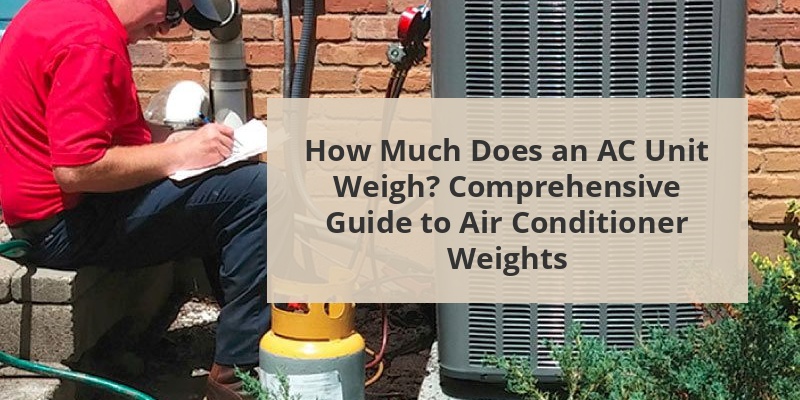
Choosing a new air conditioner involves more than just cooling capacity—weight plays a critical role, especially for installation, transportation, and home suitability. This guide examines how much typical AC units weigh, explores the key factors affecting unit weight, and provides insights for homeowners and HVAC professionals. Discover the typical weights for window, portable, split, and central air conditioning systems, along with practical tips for handling them safely.
| Type of AC Unit | Average Weight Range (lbs) | Common Applications |
|---|---|---|
| Window AC | 40 – 130 | Single Rooms, Apartments |
| Portable AC | 45 – 95 | Rooms, Offices |
| Mini-Split (Indoor Head) | 18 – 45 | Bedrooms, Small Spaces |
| Mini-Split (Outdoor Unit) | 60 – 200 | Residential, Small Businesses |
| Central (Condenser) | 120 – 350 | Whole House, Large Spaces |
Content Navigation
- Factors Influencing AC Unit Weight
- Weight of Window AC Units
- Portable Air Conditioner Weights
- Mini-Split (Ductless) AC Unit Weights
- Central Air Conditioner Weights
- Commercial AC Unit Weights
- Comparison Table: Typical AC Unit Weights by Type and Capacity
- How AC Unit Weight Impacts Installation and Home Design
- Why Does AC Unit Weight Vary So Much?
- Tips for Safely Handling and Transporting AC Units
- How to Find the Weight of a Specific AC Unit
- Frequently Asked Questions About AC Unit Weight
- Choosing the Right AC: Balancing Weight, Capacity, and Features
- Summary: Key Takeaways on AC Unit Weights
Factors Influencing AC Unit Weight
The weight of an air conditioning unit is influenced by several core factors beyond just its size or brand. These determinants impact portability, installation requirements, and even transportation logistics.
- Type of Unit: Roof, window, portable, split, and central ACs have different structural components and weight profiles.
- Cooling Capacity (BTUs): Higher BTU models often weigh more due to larger compressors, extra coils, and bigger fans.
- Material Selection: Units with steel frames, copper coils, and robust housings can be considerably heavier.
- Added Features: Bonus features like built-in air purification, heating, or advanced controls may increase unit weight.
- Compressor Size: Larger, high-output compressors significantly contribute to unit mass.
- Refrigerant Volume and Piping: Central and mini-split systems with longer piping for refrigerant lines also weigh more.
Weight of Window AC Units
Window air conditioners are popular due to affordability and ease of installation. Understanding the weight is critical for safe mounting and window frame selection.
- Small Units (5,000 – 8,000 BTUs): Typically weigh 40 – 65 lbs. Suitable for small bedrooms and offices.
- Medium Units (9,000 – 12,000 BTUs): Average weights range 60 – 85 lbs. Used for larger bedrooms or living rooms.
- Large Units (14,000 – 24,000 BTUs): Can weigh 90 – 130 lbs or more. Appropriate for large spaces or open-plan areas.
Installation Safety: Ensure the window frame can support the unit’s weight, and always use the supplied mounting brackets for stability and safety.
Portable Air Conditioner Weights
Portable air conditioners are favored for their flexibility and easy mobility, but their weights also vary significantly.
- Compact Models (8,000 – 10,000 BTUs): Commonly weigh 45 – 60 lbs; easily moved on integrated casters.
- Mid-Range Models (12,000 – 14,000 BTUs): Typically 60 – 80 lbs, requiring more effort to transport up stairs.
- High-Capacity Units (15,000 – 18,000 BTUs): Weigh up to 95 lbs, so two-person handling is recommended for relocation.
Larger portable models can still be maneuverable thanks to wheels and handles, but consider weight when choosing for multi-story homes.
Call 888-896-7031 for Free Local HVAC Quotes – Compare and Save Today!
Mini-Split (Ductless) AC Unit Weights
Mini-split air conditioners have two main components: the indoor air handler and the outdoor condenser. Each has a distinct weight profile.
Indoor Air Handler Weight
- Single-zone indoor heads: Average 18 – 45 lbs. These are wall-mounted and require secure bracketing.
- Larger multi-zone heads: Can reach up to 55 lbs depending on capacity and manufacturer.
Outdoor Condenser Weight
- Smaller outdoor units (single-zone): Typically 60 – 120 lbs.
- Multi-zone or higher BTU outdoor units: Frequently weigh 120 – 200 lbs or more.
Outdoor units are often heavier due to additional compressor, coil, and housing needs. Placement needs solid support, typically a level slab or reinforced brackets.
Central Air Conditioner Weights
Central air conditioners serve entire homes and are often the largest and heaviest residential AC option. The main component affecting weight is the outdoor condenser unit.
- 2-3 Ton Units: Averaging 120 – 180 lbs. Common for smaller homes.
- 3.5-5 Ton Units: Can reach 180 – 350 lbs or higher, suitable for large homes or light commercial spaces.
Central condenser units demand professional installation due to weight and connection complexity. Weight can affect slab requirements and handling during replacement.
Commercial AC Unit Weights
Commercial air conditioners, including rooftop and industrial systems, far exceed residential units in weight. Their designs reflect the needs of large buildings and extensive air delivery systems.
- Rooftop Packaged Units (RTUs): Range from 400 lbs for small units to over 1,500 lbs for larger systems.
- Industrial Chillers and Air Handlers: May weigh several tons (2,000 lbs+), requiring cranes and special supports.
Commercial units always need professional installation. Their weight impacts building load calculations and roof reinforcements.
Call 888-896-7031 for Free Local HVAC Quotes – Compare and Save Today!
Comparison Table: Typical AC Unit Weights by Type and Capacity
| Type | Capacity Range | Average Weight | Weight Factors |
|---|---|---|---|
| Window | 5,000-24,000 BTUs | 40-130 lbs | Compressor, housing size, BTU output |
| Portable | 8,000-18,000 BTUs | 45-95 lbs | Compressor, water tank, features |
| Mini-Split (Indoor) | 9,000-24,000 BTUs | 18-55 lbs | Mounting hardware, air circulation design |
| Mini-Split (Outdoor) | 9,000-48,000 BTUs | 60-200 lbs | Compressor, coils, weatherproof housing |
| Central (Outdoor) | 24,000-60,000 BTUs (2-5 tons) | 120-350 lbs | Compressor, coil size, fan, housing |
| Commercial Rooftop | Multiple tons | 400-1,500 lbs+ | Industrial compressors, large heat exchangers |
How AC Unit Weight Impacts Installation and Home Design
The weight of an AC unit isn’t just a technical detail—it has real implications for installation, DIY suitability, window or roof load, and maintenance routines.
- Window ACs: Overweight units may risk window frame damage or collapse; always verify window weight ratings beforehand.
- Portable ACs: Mobility decreases with weight; large units are difficult to maneuver between floors or narrow spaces.
- Ductless Mini-Splits: Ensure wall structure supports indoor head weight; outdoor condensers need solid, vibration-resistant placement.
- Central & Commercial: Foundation or roof must support the condenser, especially for large homes or commercial buildings. Reinforcement may be necessary in some cases.
Why Does AC Unit Weight Vary So Much?
Not all AC units of similar capacity weigh the same—model, brand, efficiency, and construction style play roles. Here are the main reasons for wide variations:
- Brand Construction Choices: Some brands use heavier but more durable metal casings; others choose lighter, corrosion-resistant plastics.
- Coil Engineering: Copper coils are heavier than aluminum but offer better thermal efficiency.
- Efficiency Features: More efficient units (SEER 18+) may require heavier, larger heat exchangers.
- Multi-Functionality: Models with integrated heating, dehumidification, or smart features may be heavier due to additional hardware.
Tips for Safely Handling and Transporting AC Units
Given the substantial weight of many air conditioners, safe handling is essential for homeowners and professionals alike. Here are some key tips:
- Always lift with the help of another person for units over 40 lbs, especially for awkward installations such as window or roof placement.
- Use proper equipment (hand trucks, dollies) for larger portable and central units.
- Secure and balance the load to avoid dropping and injury during transit.
- Follow manufacturer’s guidance for installation procedures and support needs.
- Inspect support structures (window frames, wall mounts, pads) before installation or replacement.
How to Find the Weight of a Specific AC Unit
For precise planning, you may need to determine the exact weight of a particular air conditioner model. Here’s how:
- Manufacturer’s Manual: The best source is the technical or specification section of the owner’s or installation manual.
- Product Label: AC units typically have a label (on the unit’s side or back) listing both weight (shipping and net) and other specs.
- Brand Website: Specification sheets for each model are often available as PDFs on the brand’s website.
- Retail Listings: Online retailers frequently include weight in product descriptions for shipping and storage estimates.
Frequently Asked Questions About AC Unit Weight
Below are answers to the most common questions Americans ask about air conditioner weight and handling:
- Can window ACs be installed solo? Only small models (<60 lbs). Heavier units require two people for safety.
- Does weight correlate with performance? Not always—a heavier unit can be more rugged or efficient but isn’t automatically better; check BTU and SEER ratings.
- Are all central AC units heavy? Yes, but lighter models exist for small homes or apartments; larger units are necessary for cooling big spaces.
- Can mini-split weights be reduced? Some manufacturers use lighter alloys for coils and chassis, but overall reductions are typically modest.
Choosing the Right AC: Balancing Weight, Capacity, and Features
When purchasing an AC unit, weight is one piece of a larger puzzle—balance it with energy efficiency, noise level, BTU capacity, and home structure compatibility.
- For apartments: Choose lighter window or portable units that don’t overload window frames or are easy to move.
- For older homes: Verify if wall or floor structures can handle heavier split or central systems—consult professionals if unsure.
- For frequent movers: Lighter portable ACs or small window units are ideal for easy removal and reinstallation.
- For permanent installations: Heavier, more robust units offer efficiency, durability, and better temperature control.
Summary: Key Takeaways on AC Unit Weights
- Window AC units: 40-130 lbs depending on cooling size.
- Portable AC units: 45-95 lbs, mobility aided by wheels.
- Mini-split indoor air handlers: 18-55 lbs; outdoor condensers: 60-200 lbs.
- Central air outdoor units: 120-350 lbs, often heavier with more capacity.
- Commercial rooftop or industrial systems: 400-1,500 lbs or much more.
Always factor weight into your AC selection for efficient cooling, ease of installation, and long-term safety.
Tips for Getting the Best HVAC Prices
- Prioritize Quality Over Cost
The most critical factor in any HVAC project is the quality of the installation. Don’t compromise on contractor expertise just to save money. - Check for Rebates
Always research current rebates and incentives — they can significantly reduce your overall cost. - Compare Multiple Quotes
Request at least three estimates before making your choice. You can click here to get three free quotes from local professionals. These quotes include available rebates and tax credits and automatically exclude unqualified contractors. - Negotiate Smartly
Once you've chosen a contractor, use the proven strategies from our guide — How Homeowners Can Negotiate with HVAC Dealers — to get the best possible final price.