
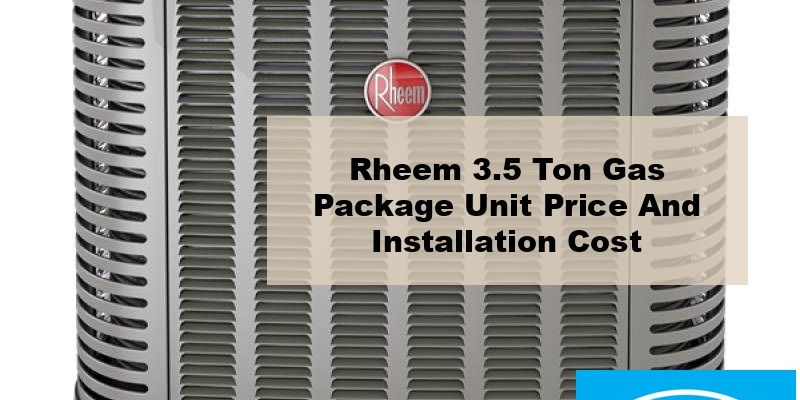
Buying a Rheem 3.5 ton gas package unit combines heating and cooling in a single outdoor cabinet. For many American homes, this size provides reliable comfort with efficient performance. This guide examines typical prices for the Rheem 3.5 ton gas package unit and the installation costs homeowners should expect. It covers factors that influence price, energy efficiency ratings, and what to budget for labor, ductwork, and permits. Readers will also find practical tips for choosing contractors, understanding warranties, and maximizing savings through proper sizing and maintenance.
What Is A Rheem 3.5 Ton Gas Package Unit?
A gas package unit is an all-in-one heating and cooling system installed outside the home in a single cabinet. The 3.5 ton class translates to roughly 40,000–44,000 BTU per hour, suitable for many mid-sized houses. Rheem’s offerings in this size range come with varying efficiency levels, typically delivering SEER ratings around 14–16 for cooling and AFUE ratings in the 80–95% range for heating. Higher efficiency models cost more upfront but can reduce long-term energy bills. ENERGY STAR labeled units may yield additional savings in eligible markets.
Pricing Overview: How Much Does It Cost?
Prices for a Rheem 3.5 ton gas package unit include both equipment and installation. Typical equipment prices range from $2,500 to $4,500. Installed costs usually run from $4,500 to $9,000 for standard configurations. In some markets or with premium features, total costs can reach $10,000 to $12,000, especially when ductwork, venting, or electrical upgrades are required. Labor rates vary by region, with higher costs in areas like the Northeast and coastal states. The final price depends on efficiency, existing infrastructure, and contractor practices.
| Cost Component | Typical Range | Notes |
|---|---|---|
| Equipment Price | $2,500–$4,500 | Rheem 3.5 ton gas package unit, efficiency varies |
| Installation | $2,000–$5,000 | Labor, connections, venting, refrigerant lines |
| Ductwork/Repairs | $0–$3,000 | Based on current duct condition and layout |
| Permits/Inspections | $100–$500 | Local requirements vary |
| Disposal of Old Equipment | $100–$500 | Removal and disposal fees |
| Total Estimate | $4,500–$12,000 | Inclusive ranges for typical projects |
Efficiency, Energy Use, And Rebates
The efficiency of a Rheem 3.5 ton gas package unit affects operating costs as much as upfront price. Most models in this class offer SEER ranges of 14–16 for cooling and AFUE of 80–95% for heating. Upgrading to a higher SEER and AFUE can lower annual energy consumption, particularly in climates with long cooling or heating seasons. The payback period depends on local energy prices and usage patterns. Homeowners should compare AHRI ratings, verify sizing with a load calculation, and consider potential rebates from utilities or state programs that may apply to high-efficiency gas systems.
Finding the right balance between upfront investment and long-term savings is essential. In some markets, utility providers or local governments offer incentives for high-efficiency gas packages or for upgrading insulation and ducts alongside the unit. Prospective buyers should confirm eligibility before purchase and installation.
What Affects Installation Cost?
Several factors drive the final installation price. Existing ductwork condition, the need for sealing or redesign, and the complexity of duct runs can add thousands. Accessibility of the outdoor unit, attic or crawlspace constraints, and required electrical upgrades influence labor time. Gas line sizing, venting, condensate drainage, and refrigerant line work affect materials costs. Regional labor rates and permit fees vary widely. If an old unit must be removed, disposal fees apply. Finally, including a tune-up, warranty extensions, or post-installation diagnostics can shift the total.
Call 888-896-7031 for Free Local HVAC Quotes – Compare and Save Today!
Choosing The Right Contractor
Selecting the right contractor ensures reliable performance and a fair price. A qualified installer should perform a Manual J load calculation to confirm that a 3.5 ton unit is appropriate for the home. Obtain multiple written estimates with itemized costs and a clear installation timeline. Verify licenses, insurance, and manufacturer certifications. Ensure the proposal covers duct sealing, venting, and any necessary duct modifications. Confirm who handles permits and inspections. Compare warranties on parts, labor, and the compressor, and review any available maintenance plans.
Homeowners should also ask for references and check current customer reviews. Request a site visit to assess attic access, crawl spaces, and air distribution. Clarify the expected disruption to daily routines and the projected downtime during installation. A trustworthy contractor will provide a detailed project scope and a written price before starting work.
Maintenance And Warranties
Regular maintenance extends the life of a Rheem 3.5 ton gas package unit and preserves efficiency. Annual professional inspections, plus routine filter changes (every 1–3 months, depending on usage and filter type), help prevent clogs and refrigerant leaks. Warranty terms vary by model and installer, but typical coverage includes a 5– to 10-year limited warranty on major components such as the compressor or heat exchanger, with a 1-year parts and labor warranty offered by many installers. Registration with the manufacturer may extend certain warranty terms. Always read the warranty documentation and confirm terms with the installer.
For additional information and model specifics, visit the official Rheem site. Rheem Official Website provides product specifications, available efficiency options, and authorized dealer locations.
Tips for Getting the Best HVAC Prices
- Prioritize Quality Over Cost
The most critical factor in any HVAC project is the quality of the installation. Don’t compromise on contractor expertise just to save money. - Check for Rebates
Always research current rebates and incentives — they can significantly reduce your overall cost. - Compare Multiple Quotes
Request at least three estimates before making your choice. You can click here to get three free quotes from local professionals. These quotes include available rebates and tax credits and automatically exclude unqualified contractors. - Negotiate Smartly
Once you've chosen a contractor, use the proven strategies from our guide — How Homeowners Can Negotiate with HVAC Dealers — to get the best possible final price.