

Discovering water pooling at the bottom of your dishwasher underneath the filter can be concerning for many homeowners. While a small amount of clean water is normal in most dishwashers, excessive water accumulation often indicates an underlying issue that needs attention. This standing water can lead to unpleasant odors, poor cleaning performance, and potentially damage your appliance over time. Understanding the causes of this common problem and knowing how to address it can save you from costly repairs and extend the life of your dishwasher.
Before troubleshooting, it’s important to understand what’s normal versus problematic. A small amount of clean water (about a cup) in the sump area under the filter is completely normal in most dishwashers. This water acts as a seal for the pump and prevents the mechanical components from drying out.
However, water becomes problematic when:
- There’s more than an inch of standing water
- The water is dirty or has food particles
- You notice unpleasant odors
- Water remains long after a cycle completes
Common Causes of Water Accumulation
Several issues can cause excess water to collect beneath your dishwasher filter. Identifying the specific cause is crucial for proper troubleshooting.
Clogged Filter
The most common cause of water accumulation is a clogged filter. Food particles, debris, and grease build up over time, preventing proper drainage. Most dishwashers have a two-part filtering system consisting of an upper, removable filter and a lower, fine mesh filter that traps food particles during the wash cycle.
Blocked or Kinked Drain Hose
Your dishwasher’s drain hose can become blocked with food debris or develop kinks where it connects to the sink drain or disposal. This restriction prevents water from properly exiting the dishwasher during the drain cycle.
Call 888-896-7031 for Free Local HVAC Quotes – Compare and Save Today!
Faulty Drain Pump
The drain pump is responsible for forcing water out of the dishwasher. If it becomes damaged or wears out, water won’t be effectively pumped out. Signs of a failing drain pump include unusual noises during the drain cycle or water consistently remaining after multiple cycles.
Air Gap Issues
If your installation includes an air gap (the small cylinder on your sink), it can become clogged with food particles, preventing proper drainage. This part helps prevent sink water from flowing back into the dishwasher.
Garbage Disposal Connection Problems
For dishwashers connected to garbage disposals, a common issue is forgetting to remove the knockout plug when installing a new disposal. Another problem occurs when disposal debris blocks the connection point.
| Cause | Symptoms | Difficulty to Fix |
|---|---|---|
| Clogged Filter | Standing water, food particles visible | Easy (DIY) |
| Blocked Drain Hose | Water backs up quickly after draining | Moderate (DIY) |
| Faulty Drain Pump | Unusual noises, consistent drainage issues | Difficult (Professional recommended) |
| Air Gap Clog | Water leaking from air gap, poor drainage | Easy (DIY) |
| Disposal Connection | Drainage issues after new disposal installation | Moderate (DIY) |
How to Check and Clean Your Dishwasher Filter

Proper filter maintenance is crucial for preventing water accumulation problems. Most manufacturers recommend cleaning the filter at least once a month, but homes with hard water or heavy dishwasher use may require more frequent cleaning.
Locating Your Filter
The filter is typically located at the bottom of the dishwasher tub, beneath the lower spray arm. In most modern dishwashers, the filter consists of a cylindrical assembly that can be removed by turning it counterclockwise.
Cleaning Process
- Remove the bottom dish rack for clear access
- Locate the cylindrical filter assembly at the bottom
- Turn the upper filter counterclockwise and lift it out
- Lift out the lower filter (if applicable to your model)
- Rinse both filter components under warm water
- Use a soft brush to gently remove stubborn debris
- Check the sump area for any additional debris
- Reassemble by placing the lower filter first, then the upper filter, turning clockwise until it locks
Never run your dishwasher without the filter properly installed, as this can damage the pump and spray arms with food debris.
Call 888-896-7031 for Free Local HVAC Quotes – Compare and Save Today!
Solutions for Eliminating Standing Water
Once you’ve identified the cause of water accumulation, you can take steps to resolve the issue.
Clearing a Clogged Filter
After following the cleaning process above, run a short cycle without dishes to test if water drainage has improved. If you notice mineral buildup on your filter, soak it in a solution of white vinegar for 10-15 minutes before rinsing.
Unclogging the Drain Hose
To check and clear your drain hose:
- Disconnect power to the dishwasher
- Pull the dishwasher out if possible to access the hose
- Disconnect the hose from both the dishwasher and sink/disposal connections
- Visually inspect for kinks or blockages
- Run water through the hose to clear any debris
- Use a flexible brush if necessary for stubborn clogs
- Reconnect the hose, ensuring it has a high loop to prevent backflow
Checking the Air Gap
If your setup includes an air gap:
- Remove the chrome cover on the air gap
- Unscrew the plastic cap
- Clean out any debris inside
- Replace the components
Resetting the Disposal Connection
If your dishwasher connects to a garbage disposal:
- Check if the knockout plug was removed during installation
- Disconnect the drain hose from the disposal
- Clear any debris at the connection point
- Run the disposal to clear any internal blockages
- Reconnect the hose securely
When to Call a Professional
While many water accumulation issues can be resolved with DIY methods, some situations warrant professional attention. Contact a professional repair service if:
- You’ve tried unclogging filters and hoses without success
- You hear unusual noises from the drain pump
- The dishwasher is leaking onto the floor
- You notice electrical issues when the dishwasher tries to drain
- Your dishwasher is more than 10 years old with persistent drainage problems
| Repair Type | Estimated Cost Range | When It’s Worth It |
|---|---|---|
| Filter Replacement | $20-50 (DIY) | When filter is damaged beyond cleaning |
| Drain Pump Replacement | $150-400 (Professional) | When pump fails completely |
| Drain Hose Replacement | $30-150 (DIY or Professional) | When hose is cracked or damaged |
| Control Board Issues | $200-500 (Professional) | When electronic drainage control fails |
Preventing Future Water Accumulation
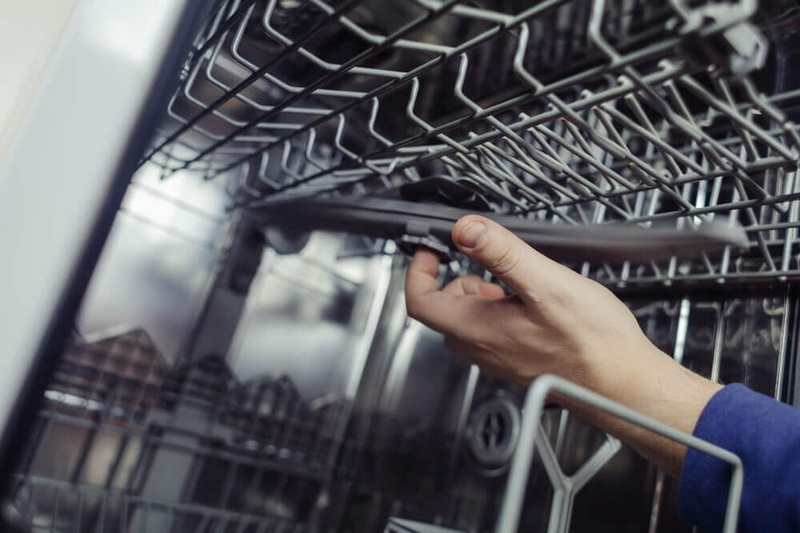
Maintaining proper dishwasher function requires regular preventive maintenance. Implement these practices to avoid water accumulation problems:
- Scrape dishes thoroughly before loading to prevent food buildup
- Clean the filter monthly (weekly for heavy use households)
- Run hot water in your sink before starting the dishwasher to ensure hot water enters immediately
- Use a dishwasher cleaner monthly to prevent buildup and odors
- Check and clean the spray arms quarterly to ensure proper water circulation
- Leave space between dishes to improve water flow and drainage
- Use rinse aid to prevent mineral deposits, especially with hard water
By understanding the causes of water accumulation under your dishwasher filter and taking appropriate maintenance steps, you can keep your appliance running efficiently and extend its operational life. Regular attention to these details will help prevent the inconvenience and potential damage that standing water can cause.
Tips for Getting the Best HVAC Prices
- Prioritize Quality Over Cost
The most critical factor in any HVAC project is the quality of the installation. Don’t compromise on contractor expertise just to save money. - Check for Rebates
Always research current rebates and incentives — they can significantly reduce your overall cost. - Compare Multiple Quotes
Request at least three estimates before making your choice. You can click here to get three free quotes from local professionals. These quotes include available rebates and tax credits and automatically exclude unqualified contractors. - Negotiate Smartly
Once you've chosen a contractor, use the proven strategies from our guide — How Homeowners Can Negotiate with HVAC Dealers — to get the best possible final price.