
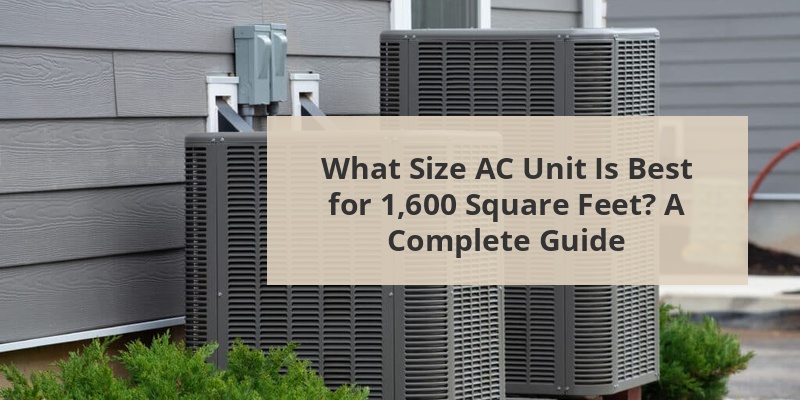
Finding the right AC unit size for a 1,600 square foot home is essential for energy efficiency, comfort, and long-term savings. This guide explains how to determine the perfect air conditioner size, factors affecting cooling requirements, and tips for making the smart choice. Learn how to avoid common sizing mistakes and maximize your investment in home comfort.
| Home Size (sq ft) | Recommended AC Unit Size (Tons) | Recommended BTUs |
|---|---|---|
| 1,600 | 2.5 – 3 tons | 30,000 – 36,000 |
Why AC Unit Size Matters For Your Home
Choosing the correct AC size is crucial for effective cooling and energy efficiency. An undersized unit struggles to cool a space, leading to excessive energy bills and reduced comfort. An oversized system cycles on and off too often, causing humidity issues and uneven temperatures. Properly sizing your AC protects your investment and creates a healthier indoor environment.
How Air Conditioner Size Is Measured
Air conditioner capacity is measured in two ways: British Thermal Units (BTUs) and tons. One ton equals 12,000 BTUs per hour—the amount of heat needed to melt one ton of ice in 24 hours. Residential ACs typically range from 1.5 to 5 tons. For 1,600 square feet, experts typically recommend between 2.5 and 3 tons (30,000–36,000 BTUs).
Factors Influencing AC Sizing For 1,600 Sq Ft
The ideal AC capacity for 1,600 square feet depends on more than just square footage. Several key factors affect cooling needs:
- Climate Zone: Homes in hot or humid climates need more BTUs than those in mild zones.
- Ceiling Height: Higher ceilings increase total air volume, requiring more cooling power.
- Insulation Quality: Well-insulated houses need less AC capacity.
- Window Sizes & Orientation: Large or west-facing windows let in more heat, raising cooling needs.
- Sun Exposure: Shaded homes may need less cooling than those exposed to full sun.
- Occupancy: More people and appliances generate more heat inside the home.
Taking these into account guarantees the AC unit is matched precisely to your actual needs, not just the square footage.
Rule-Of-Thumb Sizing For AC Units
Many contractors use a rough formula: 20 BTUs per square foot of living space. Based on this:
Call 888-896-7031 for Free Local HVAC Quotes – Compare and Save Today!
- 1,600 sq ft × 20 BTU = 32,000 BTU
- 32,000 BTU ÷ 12,000 = 2.67 tons (rounded up to the nearest half ton, usually 2.5 or 3 tons)
This calculation is a starting point only. Adjustments are necessary for unique home layouts, climate, and exposure.
Manual J Load Calculation – The Gold Standard In AC Sizing
For the most accurate assessment, professionals use a Manual J load calculation. This method factors in:
- Square footage
- Ceiling height
- Window and door efficiency
- Insulation and roofing type
- Geographic climate zone
- Appliance and lighting heat output
- Number of occupants
This precise approach prevents oversized or undersized installations and maximizes both comfort and efficiency.
Impact Of Home Location On AC Sizing
Climate zones greatly influence recommended AC size. Consider the following table for zone differences:
| Climate Zone | Recommended BTU (for 1,600 sq ft) | Recommended Tons |
|---|---|---|
| Hot (South, West) | 34,000 – 36,000 | 3 |
| Moderate (Midwest, East) | 30,000 – 32,000 | 2.5 – 3 |
| Cool (North) | 28,000 – 30,000 | 2.5 |
Local climate directly impacts system requirements and long-term operational costs.
Why Oversized AC Units Are A Problem
Many homeowners mistakenly believe bigger is better with air conditioning. In fact, an oversized AC leads to:
Call 888-896-7031 for Free Local HVAC Quotes – Compare and Save Today!
- Short cycling: Quick stoppage and start reduces efficiency and increases wear.
- Poor humidity control: Less time to dehumidify air, causing a sticky feeling indoors.
- Inefficient energy usage: Leads to higher bills.
- Uneven temperatures: Some rooms may stay too warm.
Choosing the correct size is essential for long-term home comfort and AC system lifespan.
Problems With Undersized AC Units
An undersized AC unit struggles to meet demand and typically results in:
- Constant running: Increases energy usage dramatically.
- Inconsistent cooling: Home never reaches the set temperature.
- Premature breakdowns: Overworked components fail sooner.
- Lower comfort: Hot and cold spots may be common.
An AC that’s too small results in discomfort and expensive repairs.
How Insulation Levels Affect AC Sizing
Excellent insulation can reduce your cooling load by up to 30%. Compare these scenarios:
- Well-insulated home: Possibly needs only 2.5 tons for 1,600 sq ft.
- Poorly insulated home: Might require the upper end, 3 tons or more.
Improving insulation may let you buy a smaller, more efficient AC and save money over time.
Role Of Windows And Doors In AC Sizing
Window style, quantity, and orientation affect temperature gain. Homes with large, south- or west-facing windows can see up to 15% higher cooling demands. Upgrading to ENERGY STAR windows and using heavy blinds or shades can reduce your AC size and operating cost.
Choosing Between Central AC And Alternatives
For a 1,600-square-foot home, the most common choices are:
- Central Split AC: 2.5 – 3 ton unit, even distribution via ductwork.
- Ductless Mini-Split Systems: Good for zoned cooling or homes without ducts; may require multiple indoor units.
- Heat Pumps: Provide both cooling and heating, very efficient in moderate climates.
Each option may require slightly different sizing based on system efficiency and distribution.
How To Verify The Right AC Unit Size For Your Home
The best way to confirm proper sizing is to request a Manual J load calculation from a certified HVAC contractor. Many utilities and installers provide this service free or at a modest charge to guarantee a long-lasting, comfortable installation. Relying on estimates or generic advice can cost more over time.
Estimating AC Sizing Yourself: Step-By-Step
For a quick estimate of your required AC size for 1,600 sq ft:
- Find your home’s square footage.
- Multiply by 20 BTUs (standard for moderate climates): 1,600 x 20 = 32,000 BTUs.
- Adjust for insulation, climate, or window exposure if needed (add 10–15% for hot climates or poor insulation).
- Divide total BTUs by 12,000 to get tons: 32,000 ÷ 12,000 ≈ 2.7 tons.
This method provides a ballpark figure, but professional assessment is recommended for accuracy.
Common Myths About AC Sizing Debunked
- Myth: “Bigger units work faster.” Fact: Oversized units cycle rapidly, wasting energy and failing to dehumidify.
- Myth: “Any contractor can estimate accurately over the phone.” Fact: Without an on-site assessment, any estimate is just a guess.
- Myth: “Window units are just as good for whole-home cooling.” Fact: They’re less efficient, noisier, and best for single rooms.
Cost Implications Of AC Unit Size
AC unit size directly impacts purchase cost and operating expenses. For a 1,600 sq ft home, expect these averages:
| Unit Size (Tons) | Purchase Cost | Estimated Annual Cost |
|---|---|---|
| 2.5 | $3,500 – $5,000 | $900 – $1,200 |
| 3.0 | $4,000 – $5,800 | $1,050 – $1,400 |
Oversized units raise both purchase and operational costs without valuable benefits.
Energy Efficiency Ratings: SEER and EER
Higher Seasonal Energy Efficiency Ratio (SEER) or Energy Efficiency Ratio (EER) ratings mean lower energy use for the same output. When selecting a unit, look for:
- SEER 16 or higher: Best blend of cost and efficiency for most climates.
- ENERGY STAR certification: Meets rigorous US efficiency standards.
A highly efficient system can sometimes allow for a slightly smaller AC unit.
Getting Your Home Ready For A New AC Unit
Before installing a new AC:
- Seal leaks: Caulk windows and doors to prevent cool air loss.
- Insulate attic and walls: Reduces cooling needs.
- Shade windows: Plant trees or install awnings for west and south-facing sides.
- Service ducts: Clean and check for leaks for top cooling performance.
Pre-installation preparation can save money on both equipment and monthly bills.
Smart Thermostats And Zoning For 1,600 Sq Ft Homes
Adding a smart thermostat or zoning system improves comfort and further reduces utility costs. Zoning allows different rooms to be cooled individually, optimizing efficiency. For 1,600 sq ft homes, especially those with multiple floors or varied sun exposure, zoning can prevent overuse and maximize system lifespan.
Questions To Ask Your HVAC Contractor
Before committing to a particular AC size or installation, ask your contractor:
- Did you complete a Manual J calculation?
- What is the recommended tonnage and why?
- How will the system be distributed throughout my home?
- Can I see your energy efficiency credentials?
- What warranties and maintenance support do you provide?
AC Size Recommendations For Home Size Comparison
| Home Size (sq ft) | Recommended Tons | Typical BTUs |
|---|---|---|
| 1,000 | 1.5 – 2.0 | 18,000 – 24,000 |
| 1,600 | 2.5 – 3.0 | 30,000 – 36,000 |
| 2,000 | 3.0 – 3.5 | 36,000 – 42,000 |
| 2,500 | 4.0 | 48,000 |
Upgrading Your Ductwork For Optimal Cooling
In homes with existing ductwork, it’s important to make sure ducts are properly sized and sealed. Poor or leaky ducts can decrease efficiency by as much as 30%. Before installing a new AC unit, have an HVAC professional assess your duct system for necessary updates or repairs.
Heat Pump Options For Cooling And Heating
Heat pumps provide both cooling and heating for year-round comfort and are a great alternative to a traditional AC/furnace combination in moderate climates. For 1,600 square feet, a heat pump sized at 2.5 to 3 tons typically provides sufficient comfort, often with improved energy efficiency compared to standard systems.
Rebates And Incentives For Efficient AC Units
Many states and energy companies offer rebates for high-efficiency AC and heat pump systems. Check resources like ENERGY STAR and your local utility’s website to explore current offers before purchasing a new unit.
Maintenance Tips To Protect Your AC Investment
- Change filters every 1–3 months: Keeps air flowing and system clean.
- Schedule annual tune-ups: Ensures optimal performance and efficiency.
- Keep outdoor units clear: Trim plants and remove debris to maintain airflow.
- Seal ducts regularly: Prevents leaks and cooling losses.
Regular maintenance maximizes AC system lifespan regardless of size.
Summary: Optimal AC Unit Size For 1,600 Sq Ft Homes
For most American homes, the ideal air conditioner size for 1,600 square feet is between 2.5 and 3 tons (30,000–36,000 BTUs). Factors like climate, insulation, window exposure, and layout can adjust this recommendation. Using a Manual J calculation and consulting an HVAC professional ensures long-term comfort, efficiency, and the best return on investment.
Tips for Getting the Best HVAC Prices
- Prioritize Quality Over Cost
The most critical factor in any HVAC project is the quality of the installation. Don’t compromise on contractor expertise just to save money. - Check for Rebates
Always research current rebates and incentives — they can significantly reduce your overall cost. - Compare Multiple Quotes
Request at least three estimates before making your choice. You can click here to get three free quotes from local professionals. These quotes include available rebates and tax credits and automatically exclude unqualified contractors. - Negotiate Smartly
Once you've chosen a contractor, use the proven strategies from our guide — How Homeowners Can Negotiate with HVAC Dealers — to get the best possible final price.