
Finding the right camping wood heater balances portability, heat output, and safety. Below is a quick comparison of the five selected options that suit tents, campsites, and backyards. The table highlights each model’s primary use and standout features to help you scan options fast.
| Product | Main Use | Standout Feature |
|---|---|---|
| GRAVFORCE Camping Wood Stove | Winter tent camping, cooking | Stainless steel, foldable chimney, packed storage |
| Guide Gear Outdoor Wood Burning Stove | Backyard or campsite heating & cooking | Galvanized steel firebox, cast iron door |
| TOUNTO Portable Wood Burning Stove | Tent heater with window and full accessories | Heat-resistant glass window, adjustable air control |
| Ohuhu Camp Stove | Backpacking, lightweight cooking/heating | Ultra-light stainless design, compact carry bag |
| Signstek Wood Stove Fan | Heat distribution for stoves and heaters | Heat-powered fan with bracket, silent motor |
Content Navigation
- GRAVFORCE Camping Wood Stove
- Guide Gear Outdoor Wood Stove
- TOUNTO Portable Wood Stove
- Ohuhu Camp Stove Mini
- Signstek Heat Powered Stove Fan
- Buying Guide For Camping Wood Heaters
- Heat Output And Efficiency
- Material And Corrosion Resistance
- Portability And Packability
- Venting And Chimney Options
- Safety Features
- Fuel Flexibility
- Cooking Capability
- Noise And Heat Distribution Accessories
- Durability And Maintenance
- Environmental And Regulatory Considerations
- Cost Of Ownership
- Comparison Perspectives
GRAVFORCE Camping Wood Stove

The GRAVFORCE unit is a stainless steel tent stove designed for portability and long-term exposure to high heat. Its kit includes multiple chimney pipes and a tent stove jack to adapt to different tent heights and venting needs.
Key features noted by the manufacturer include compact packability—all parts nest inside the stove for transport—and a rotary air-control switch inside one chimney to improve combustion efficiency. The stainless construction avoids paint odors on first burn.
Use cases: winter camping, outdoor cooking, emergency heating. The folding legs and multiple chimney segments enable flexible setup across shelters. As a stainless unit, it emphasizes corrosion resistance and lighter weight versus black steel models.
Guide Gear Outdoor Wood Stove
Call 888-896-7031 for Free Local HVAC Quotes – Compare and Save Today!
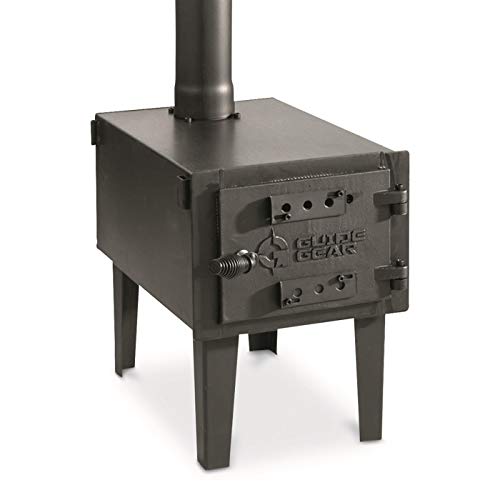
Guide Gear’s outdoor stove is built for open-air use, offering a galvanized steel firebox and a cast iron front door with adjustable vents. The design prioritizes durability and simple heating for campsites or yard use.
Manufacturer features emphasize a heat-resistant finish and sturdy construction for regular outdoor operation. The front cast-iron door includes air vent holes to regulate combustion and control flame intensity for cooking or steady heat output.
Use cases: backyard warming, campsite cooking, kindling fires. This model targets users seeking a rugged, straightforward wood heater with a durable firebox rather than compact tent-specific features like chimney jacks or glass windows.
TOUNTO Portable Wood Stove

TOUNTO’s compact stove includes a heat-resistant glass window, chimney pipes, ash scraper, and other accessories to provide a full-featured tent heating solution. The body accepts several small-diameter logs for prolonged burn cycles.
Main features include an adjustable sliding door for airflow control and a rain cap design to reduce downdrafts. The manufacturer claims quick setup, and the visible flame through the glass provides visual monitoring and ambiance.
Call 888-896-7031 for Free Local HVAC Quotes – Compare and Save Today!
Use cases: small cabin or tent heating, cooking, visible flame monitoring. The accessory package and air control valve allow users to tune burn rate and temperature for extended comfort periods inside sheltered spaces.
Ohuhu Camp Stove Mini
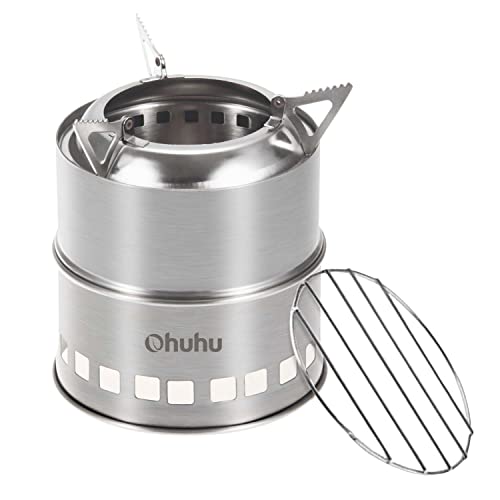
The Ohuhu mini stove targets backpackers and day campers seeking a very lightweight wood-burning cooking stove. It assembles quickly, fits in a carry bag, and supports multiple fuel types including wood, solid fuel tablets, and gas compatibility.
Manufacturer highlights include ultra-compact portability at under a pound and a detachable stainless plate for stability. The stainless-steel build balances durability with weight savings for packable cooking needs.
Use cases: backpacking, survival kits, lightweight camp cooking. This stove emphasizes minimal pack weight and fast assembly, making it suited for short trips where weight and space matter more than large heat output.
Signstek Heat Powered Stove Fan

The Signstek fan is a heat-powered circulation fan for wood stoves and propane heaters. It requires no electricity and uses a thermoelectric module to convert heat into fan motion, improving warm-air distribution from a stove or heater.
Key manufacturer features: a special bracket for fixed mounting on heaters, an upgraded motor for greater airflow, and a claimed silent operation under 25 dB. The improved motor reportedly increases applicable room coverage and fuel efficiency.
Use cases: improving heat distribution inside tents, cabins, or small rooms. This accessory is useful when paired with wood stoves, biomass heaters, or propane units to reduce cold spots and spread heat more evenly without external power.
Buying Guide For Camping Wood Heaters
Selecting the right camping wood heater involves evaluating several technical and practical factors. Below are key considerations and comparison perspectives to guide a decision based on usage, safety, and logistics.
Heat Output And Efficiency
Choose a heater with an appropriate heat output for your shelter size. Stove dimensions, firebox capacity, and airflow controls determine how long a fire sustains and how much space it can warm. Higher-efficiency designs with adjustable air inlets and secondary burn features will extract more heat from less fuel.
Material And Corrosion Resistance
Stainless steel resists rust and is lighter, which helps with portability and avoids paint-off odors on first use. Galvanized or painted steel can be durable for fixed outdoor setups, but check for heat-resistant finishes and potential degradation with repeated heating cycles.
Portability And Packability
Backpack stoves prioritize weight and compact dimensions. Tent and cabin stoves add accessories like chimney pipes and stove jacks that increase bulk but improve performance and safety. Decide whether you need ultra-lightweight gear or a full kit for multi-night winter trips.
Venting And Chimney Options
Proper venting is critical for safety and smoke control. Portable stoves with multiple chimney segments and a tent jack give flexibility for different shelters and heights. Consider whether a rain cap, spark arrestor, or inner rotary air control is included.
Safety Features
Look for heat-resistant glass windows for flame monitoring, secure door latches, ash pans for cleanup, and stable feet or brackets. Verify that the stove kit includes clear guidance about minimum clearances from tent walls and floor protection recommendations.
Fuel Flexibility
Some stoves accept wood only, while others support pellets, coal, or solid fuel tablets. Multi-fuel compatibility provides resilience in situations where dry fuel types may be limited. Portable rocket-style designs prioritize small-diameter sticks and efficient combustion.
Cooking Capability
If cooking is a priority, choose a model with a flat top or cooking grill and support for cookware. Cast-iron doors or integrated grills can serve double duty for heating and boiling water or frying. Consider pot stability and wind shielding during use.
Noise And Heat Distribution Accessories
Accessories like heat-powered fans improve thermal comfort by circulating warm air without electricity. Fans are most helpful in enclosed shelters. Evaluate fan mounting options and motor noise specifications for quieter setups.
Durability And Maintenance
Stoves used frequently should be easy to clean (ash removal) and maintain (replaceable parts). Stainless units usually require less maintenance against corrosion. Check whether spare parts, chimney extensions, or repair guidance are commonly available.
Environmental And Regulatory Considerations
In some parks and campgrounds, open wood fires or certain stoves may be restricted; verify local rules. Smokeless or low-smoke designs reduce visible emissions and may be required in crowded or sensitive areas.
Cost Of Ownership
Beyond initial purchase, consider ongoing fuel availability, potential replacement parts, and necessary accessories like stove jacks or spark guards. Higher-efficiency stoves may reduce fuel needs and lower long-term operational burden.
Comparison Perspectives
- Lightweight Backpacking: Prioritize units like the Ohuhu mini stove for minimal weight and rapid assembly.
- Winter Tent Comfort: Choose full-kit stainless stoves (GRAVFORCE, TOUNTO) with chimneys and adjustable air for reliable heating and safety.
- Backyard Or Casual Use: Rugged galvanized models like Guide Gear offer durable, low-maintenance operation for open-air heating and cooking.
- Heat Distribution: Add a heat-powered fan to any compatible heater to improve circulation without electricity.
When comparing models, prioritize the combination of safety features, portability, and fuel efficiency that matches your typical camping style and shelter type. Confirm venting and clearance requirements before use to reduce smoke and fire risks.
Tips for Getting the Best HVAC Prices
- Prioritize Quality Over Cost
The most critical factor in any HVAC project is the quality of the installation. Don’t compromise on contractor expertise just to save money. - Check for Rebates
Always research current rebates and incentives — they can significantly reduce your overall cost. - Compare Multiple Quotes
Request at least three estimates before making your choice. You can click here to get three free quotes from local professionals. These quotes include available rebates and tax credits and automatically exclude unqualified contractors. - Negotiate Smartly
Once you've chosen a contractor, use the proven strategies from our guide — How Homeowners Can Negotiate with HVAC Dealers — to get the best possible final price.