
Choosing a wall-mounted electric patio heater can extend outdoor seasons and improve comfort for gatherings. Below is a concise comparison table of five top wall-mounted electric heaters selected for outdoor use, focusing on weather resistance, power, installation options, and control features.
| Product | Power / Voltage | Outdoor Rating | Controls / Features |
|---|---|---|---|
| DR Infrared DR-238 | 900W / 1200W / 1500W (120V) | IP55 (Indoor & Outdoor) | Remote, Plug-In, 3 Power Settings |
| sundate 1500W Carbon Fiber | 1500W (likely 120V) | IP65 Waterproof | Remote, WiFi, 9 Heat Levels, 24h Timer |
| EAST OAK 3000W (Commercial) | 3000W (240V) | IP65 Waterproof & Dustproof | Remote, 45° Heat Angle, ETL/UL |
| ThermoMate 3000W Carbon Fiber | 3000W (Hardwired 240V) | Designed For Outdoor/Indoor Use | Remote, 24h Timer, Instant Heat |
| Paraheeter 1500W | 1500W (Plug-In) | For Indoor/Outdoor Use (Includes Tripod) | Tip-Over Safety, Plug-In, Mount/Tripod Options |
Content Navigation
DR Infrared DR-238 Carbon Infrared Heater
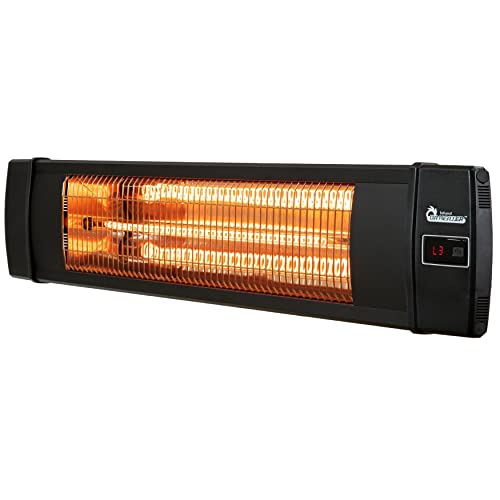
The DR Infrared DR-238 is designed for both indoor and outdoor use with an IP55 rating that allows operation in semi-protected exterior spaces. It uses carbon infrared heating for clean, instant, odorless heat and has three selectable power settings (900W, 1200W, 1500W) on standard 120V power. The unit is a plug-and-go option including a remote for convenience.
Key considerations include the convenience of plug-in operation for residential patios and the flexibility of multiple power levels to match space and energy needs. The infrared design focuses on warming people and surfaces rather than heating air, which helps in breezy outdoor environments.
sundate 1500W Carbon Fiber Wall Heater

The sundate 1500W wall/ceiling heater emphasizes rapid heat with a 1500W output and 98% efficiency. It supports wall or ceiling mounting and includes brackets for flexible installation. Control options include remote control and Wi‑Fi functionality, and two remotes are supplied in case of loss.
Call 888-896-7031 for Free Local HVAC Quotes – Compare and Save Today!
The unit’s IP65 waterproof housing and rustproof metal cover make it suitable for fully exposed or commercial outdoor settings such as gazebos and open-air patios. Additional features include 9 heat levels and 24-hour timers, which allow fine temperature control and scheduled operation for energy management.
EAST OAK 3000W Commercial Wall Heater

The EAST OAK 3000W model is a commercial-grade heater that runs on 240V, delivering powerful output intended for larger outdoor areas or business use. It features a patented gold-coating heating element for near-instant warmth and claims a wide heat spread with a 45° heat angle and coverage suitable for dozens of square feet.
Designed with heavy-duty aluminum and nano-ceramic gold-coating, the unit targets durability and resistance to high temperature, rust, and corrosion. It carries ETL and UL certifications, indicating compliance with recognized electrical safety standards for commercial installations.
ThermoMate 3000W Carbon Fiber Patio Heater

The ThermoMate 3000W is a high-output infrared heater with carbon fiber heating tubes intended for larger patios and semi-enclosed spaces. It claims 3-second instant heat and is rated to cover roughly 100 sq.ft outdoors. The unit is hardwired to a dedicated 240V circuit and includes a remote with a 24-hour timer.
Call 888-896-7031 for Free Local HVAC Quotes – Compare and Save Today!
Because it requires hardwiring, installation commonly involves professional electrical work. The carbon fiber element focuses radiant heat on people and surfaces, making it suitable where wind can otherwise reduce convective heat effectiveness.
Paraheeter 1500W Wall/Ceiling/Tripod Heater

The Paraheeter 1500W is a versatile option that can be wall- or ceiling-mounted and also comes with an adjustable tripod stand for portable use. It uses carbon infrared heating to warm objects directly and is presented as an energy-efficient alternative to fuel heaters.
Safety and installation support are highlighted: the unit includes a 3-prong grounded plug, safety grille, and automatic tip-over shut-off. The manufacturer provides an installation manual and video to simplify setup for homeowners wanting a plug-in solution with the option to move the heater when needed.
Buying Guide: Choosing A Wall-Mounted Outdoor Electric Heater
This buying guide covers the most important factors to compare when selecting a wall-mounted electric outdoor heater. Consider your space, mounting options, safety, and controls to match performance requirements and local electrical constraints.
1. Power Output And Coverage
- Wattage Matters: Residential models commonly range from 900W to 1500W on 120V circuits; commercial units exceed 2000W and often require 240V. Choose higher wattage for larger or open areas.
- Heat Coverage: Manufacturers estimate coverage in square feet; infrared heaters warm people and surfaces rather than air, so effective coverage can differ based on mounting height, wind, and layout.
2. Voltage And Installation
- 120V Plug-In Models: Easier DIY installation; suitable for small patios or semi-enclosed areas. Examples: DR Infrared (plug-and-go).
- 240V Hardwired Models: Provide much greater power and wider coverage but typically require professional electrical installation and dedicated circuits (EAST OAK, ThermoMate).
3. Outdoor Rating And Durability
- Ingress Protection: IP ratings indicate resistance to water and dust. IP55 indicates protection against limited water jets and dust; IP65 provides stronger protection suitable for exposed outdoor use.
- Materials: Aluminum housings, rustproof coatings, and ceramic or gold-coating on heating elements improve longevity in exterior conditions.
4. Heating Technology
- Carbon Infrared: Heats quickly and efficiently, focusing energy on people and objects. Performs well in windy conditions because it doesn’t rely on conditioning the air.
- Halogen / Quartz: Instant radiant heat but can produce noticeable visible glow; some designs reduce glare with specialty glass.
5. Controls And Convenience
- Remote Control & Timers: Useful for adjusting heat levels and runtime without physically accessing the unit.
- Wi‑Fi / Smart Features: Allow integration into smart home systems and remote scheduling for energy efficiency.
6. Safety Features
- Overheat Protection: Automatically shuts down on excessive temperatures to prevent damage or fire risk.
- Tip-Over Shutoff: Important for portable heaters or tripod-mounted units to stop operation if the unit falls.
- Grounded Plugs / Certified Units: Look for ETL/UL/CSA certifications and grounded plugs for plug-in models.
7. Mounting Flexibility
- Wall vs Ceiling vs Portable: Wall mounts direct heat outward across a seating area; ceiling mounts can provide broader coverage; tripods add portability for changing layouts.
- Mounting Height: Manufacturers typically recommend a minimum mounting height to balance safety and effective heat distribution.
8. Light And Glare
- Reduced Glare Options: Some heaters use coatings or black safety glass to minimize visible glow while maintaining radiant heat—consider this for ambiance-sensitive settings.
9. Energy Efficiency And Operating Costs
- Infrared Efficiency: Infrared heaters can be more efficient for spot heating because they transfer most energy directly as radiant heat.
- Power Level Control: Multiple heat settings and timers enable lower consumption when full output is unnecessary.
10. Use Case And Environment
- Residential Patios: Plug-in 120V units with IP55/IP65 protection are often sufficient for covered or semi-enclosed patios.
- Commercial Settings: Outdoor dining areas and large patios typically require 240V high-output units with commercial-grade housings and certifications.
- Exposed Locations: For fully exposed decks, choose IP65-rated units and corrosion-resistant materials.
Comparison Perspectives
When comparing models across perspectives, consider:
- Performance vs Installation: 120V plug-ins provide convenience; 240V models provide greater coverage but require professional wiring.
- Durability vs Cost: Commercial-grade materials and higher IP ratings typically increase upfront cost but reduce maintenance and downtime in outdoor environments.
- Controls vs Simplicity: Smart and multi-level controls add convenience and energy savings but increase complexity of setup and potential points of failure.
Use the guide above to match a heater’s rated output, weather protection, and control features to the physical layout and intended usage of your outdoor space.
Tips for Getting the Best HVAC Prices
- Prioritize Quality Over Cost
The most critical factor in any HVAC project is the quality of the installation. Don’t compromise on contractor expertise just to save money. - Check for Rebates
Always research current rebates and incentives — they can significantly reduce your overall cost. - Compare Multiple Quotes
Request at least three estimates before making your choice. You can click here to get three free quotes from local professionals. These quotes include available rebates and tax credits and automatically exclude unqualified contractors. - Negotiate Smartly
Once you've chosen a contractor, use the proven strategies from our guide — How Homeowners Can Negotiate with HVAC Dealers — to get the best possible final price.