
Finding the right heater sealing foam helps reduce drafts, stop heat loss, and improve HVAC efficiency. Below is a quick comparison of the five selected products covered in this guide, followed by detailed product sections and a practical buying guide to help choose the right foam for heater ducts, window AC seals, and general weatherstripping.
| Product | Type / Shape | Key Strength | Primary Uses |
|---|---|---|---|
| Heater Sealing Foam, 25 FT Roll (Speedway Motors) | Continuous Roll (rectangular profile) | Long length, designed for pressurized air sealing | Automotive heaters, ducting, weather stripping |
| Yotache Open Cell AC Weatherstrip Insulation Foam | Self-adhesive open-cell tape (2″ x 1/2″) | Flame retardant, wide temp range | AC/window seals, HVAC gaps, sound absorption |
| fowong Air Conditioner Window Seal (1″ x 1″) | Foam strip rolls (1″ x 1″) | High resilience, value pack | AC-window gaps, RVs, marine, general draft sealing |
| Air Conditioner Foam Tape (Fairooth) | Foam tape rolls (1″ x 1″) | Soft, high resilience for insulation & soundproofing | AC-window seals, doors, small HVAC gaps |
| 118” Wedge-Shape Foam Weather Stripping (KNEELISA) | Wedge-shaped strip (tapered thickness) | Wedge profile fits uneven/variable gaps | Windows, sliding doors, noise blocking, draft sealing |
Content Navigation
- Heater Sealing Foam, 25 FT Roll, 3/4 Inch Thick x 1-1/4 Inch Wide
- Yotache Open Cell Air Conditioning Weatherstrip Insulation Foam 2″ x 1/2″
- fowong Air Conditioner Window Seal 1″ X 1″ Foam Tape (6.5ft x2 Rolls)
- Air Conditioner Foam Tape 1″ Wide X 1″ Thick (Fairooth)
- 118” Wedge-Shape Foam Window Weather Stripping Door Seal Strip
- Buying Guide: Choosing Heater Sealing Foam
Heater Sealing Foam, 25 FT Roll, 3/4 Inch Thick x 1-1/4 Inch Wide
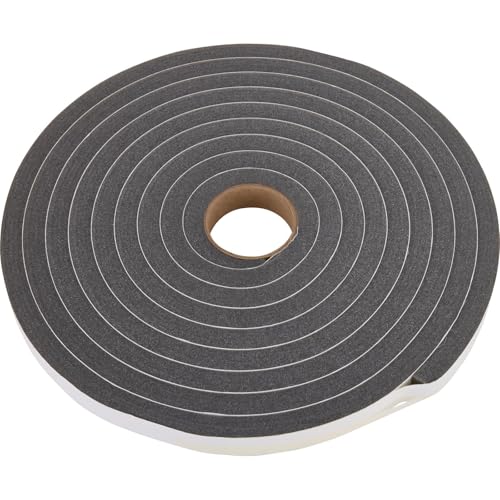
Brand: Speedway Motors. This product is a continuous roll sized at 3/4″ thick by 1-1/4″ wide and comes in a 25 foot length. It is explicitly described as suitable to eliminate air leaks and is intended for pressurized air sealing applications such as automotive heaters, ducting, and general weather stripping.
The rectangular profile is useful where a continuous bead of foam is required for seams or long runs. Because the roll is long and uniform, it allows custom cutting for a variety of gap sizes and repeated installations. The product’s description emphasizes sealing pressurized air systems, which indicates suitability for heater outlets and duct-to-frame joints where consistent compression and return are desirable.
Yotache Open Cell Air Conditioning Weatherstrip Insulation Foam 2″ x 1/2″
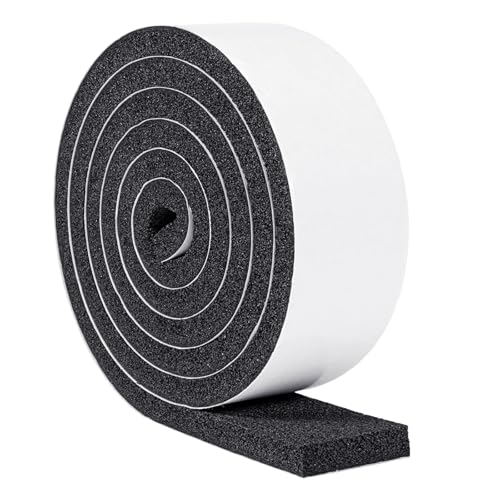
Brand: yotache. This product is an open-cell NBR+PVC foam tape sized 2″ wide by 1/2″ thick with self-adhesive backing, sold in a 6.5-foot length. The listed features highlight flame retardant properties, wide operating temperatures (-40°C to 90°C), resistance to oil and chemicals, and strong resilience to compression.
Call 888-896-7031 for Free Local HVAC Quotes – Compare and Save Today!
Open-cell tape is effective for irregular gaps where compression is required for an airtight fit. The flame retardant and temperature range make it applicable around heating equipment, HVAC seams, and window AC units where temperature swings or regulatory safety concerns exist. The self-adhesive backing simplifies installation on frames and ducts.
fowong Air Conditioner Window Seal 1″ X 1″ Foam Tape (6.5ft x2 Rolls)
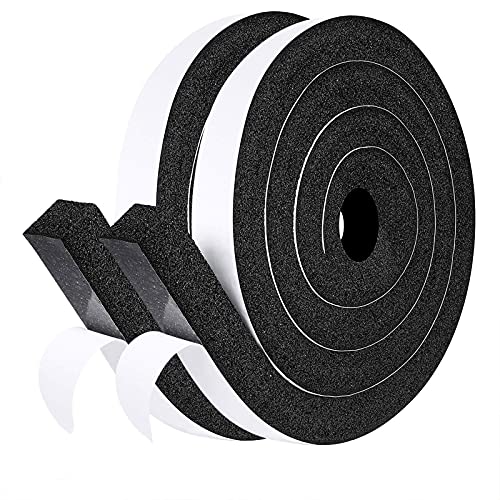
Brand: fowong. This kit supplies two 6.5 ft rolls (total 13 ft) of 1″ x 1″ high-resilience foam sealing tape. The product emphasizes high elasticity and durability, and its ability to compress for an airtight seal across uneven gaps and irregular surfaces.
It is marketed for window and door sealing, especially around AC units. The foam’s compressibility and resilient return help maintain contact under vibration or thermal cycling. The value-pack format is convenient for multi-window or larger installations and for sealing around heater vents where similar gap-fill and vibration resistance are required.
Air Conditioner Foam Tape 1″ Wide X 1″ Thick (Fairooth)

Brand: Fairooth. This set provides two 6.5 ft rolls (total 13 ft) of 1″ x 1″ foam tape. The features note soft, high-resilience sponge foam that is windproof, thermally insulating, sound absorbing, and resistant to tearing.
Call 888-896-7031 for Free Local HVAC Quotes – Compare and Save Today!
The product is presented as a multipurpose insulation strip for narrow gaps between AC units and windows, but the same attributes apply to heater sealing tasks where narrow gaps and noise reduction matter. The foam’s ability to absorb vibration while maintaining a durable seal is useful around duct joints and supply registers.
118” Wedge-Shape Foam Window Weather Stripping Door Seal Strip

Brand: KNEELISA. This product is a wedge-shaped foam strip with a tapered profile (thinnest ~0.16″ to thickest ~0.38″) and a nylon cloth outer layer over PU foam. The design targets variable-gap sealing and reduced friction during door/window movement.
Wedge profiles are particularly practical when gap width varies along the sealing path, such as between window sashes or uneven frames around heater registers. The nylon cloth increases durability in sliding or rubbing applications. The product’s specifications emphasize compatibility with multiple types of doors and windows and a dense PU interior for long-term sealing performance.
Buying Guide: Choosing Heater Sealing Foam
Selecting the right heater sealing foam depends on the application, gap size, environmental conditions, and desired longevity. The considerations below help compare options across performance, safety, and installation needs.
1. Identify The Application
- Heater Ducts And Registers: Use durable rolls or tape rated for pressurized air sealing and repeated compression.
- Window/AC Seals: Foam tape or panels sized for the gap, often 1″ x 1″ or wedge profiles for variable gaps.
- Automotive Heater Seals: Seek materials formulated for vibration, temperature cycles, and pressurized air holds.
2. Profile And Shape Matter
- Continuous Rectangular Rolls: Good for long runs and consistent seam contact (e.g., Speedway Motors roll).
- Self-Adhesive Tape: Easiest to install for frame-mounted seals; check adhesive durability for heat and humidity.
- Wedge/Tapered Strips: Best where gap width varies along the length; nylon-faced wedges resist wear from sliding parts.
3. Material Properties
- Open-Cell vs Closed-Cell: Open-cell foam compresses easily and is better for sound absorption; closed-cell provides superior moisture resistance and higher compressive strength.
- Temperature Resistance: For heater-adjacent sealing, verify operating temperature range to avoid degradation or off-gassing.
- Flame Retardance: For proximity to heating elements, flame-retardant material offers an added safety margin.
4. Adhesive And Attachment
- Self-Adhesive Backing: Speeds installation; confirm adhesive is rated for surface type and operating temperatures.
- Non-Adhesive Rolls: Require clips, mechanical fasteners, or tape; useful when permanent adhesive is not desired.
- Panels With Pressure Strips: Provide neat, removable installation for window AC surrounds and large openings.
5. Compression, Resilience, And Durability
- High Resilience Foam: Returns to shape after compression, maintaining seal over time and repeated heating/cooling cycles.
- Abrasion-Resistant Faces: Nylon or cloth facings reduce wear where movement occurs, such as sliding windows or doors.
- Tear Resistance: Important when installing in tight corners or around irregular profiles to prevent rips during placement.
6. Environmental Resistance
- Moisture And UV Exposure: Outdoor or exterior-facing seals need UV-stable or waterproof surfaces to avoid faster degradation.
- Chemical / Oil Resistance: In automotive or industrial heater contexts, resistance to oils and solvents preserves performance.
7. Noise, Vibration, And Thermal Considerations
- Sound Dampening: Open-cell and thicker foams provide sound absorption around HVAC openings and fan housings.
- Vibration Isolation: Resilient foams reduce rattles around registers and window-mounted units.
- Thermal Insulation: Foam density and thickness affect R-value; thicker and denser materials limit heat transfer better.
8. Size And Coverage
- Estimate total length and cross-section needed before purchase. Roll quantities vary; value packs (two rolls) can cover multiple units.
- Wedge strips with greater length are useful for long sliding tracks or full-frame coverage.
9. Installation Tips
- Clean and dry surfaces before applying adhesive-backed foam; use isopropyl alcohol for best adhesion.
- Compress foam slightly to ensure continuous contact but avoid over-compressing closed-cell foam that should retain thickness.
- Trim with a sharp blade for clean edges; test-fit before adhering permanently.
- For removable panels or larger AC surrounds, consider pressure strips or mechanical fasteners to preserve reusability.
10. Multiple Comparison Perspectives
- Performance vs Cost: Rolls and value packs offer long coverage and lower cost per foot, while specialized panels or wedge strips can cost more but solve specific fit problems.
- Long-Term Durability vs Ease Of Installation: Adhesive-backed, flame-retardant materials often perform longer; non-adhesive options may be better for temporary or removable installs.
- Safety vs Flexibility: Flame-retardant rated foams add safety near heaters, while more flexible open-cell foams provide superior sound and vibration control.
Use the product sections above and this buying guide to match foam profile, material, and attachment method to your heater or HVAC sealing needs. Prioritize material temperature rating, resilience, and the correct cross-sectional size to maintain an effective, long-lasting seal.
Tips for Getting the Best HVAC Prices
- Prioritize Quality Over Cost
The most critical factor in any HVAC project is the quality of the installation. Don’t compromise on contractor expertise just to save money. - Check for Rebates
Always research current rebates and incentives — they can significantly reduce your overall cost. - Compare Multiple Quotes
Request at least three estimates before making your choice. You can click here to get three free quotes from local professionals. These quotes include available rebates and tax credits and automatically exclude unqualified contractors. - Negotiate Smartly
Once you've chosen a contractor, use the proven strategies from our guide — How Homeowners Can Negotiate with HVAC Dealers — to get the best possible final price.