
Choosing an eco-friendly wall panel heater can reduce energy use and provide targeted warmth where you need it most. Below is a concise comparison of five energy-efficient wall panel heaters selected for low-watt designs, quiet operation, smart controls, and proven safety features.
| Product | Type / Key Strength |
|---|---|
| EconoHome Wall Heater Panel with Thermostat | Low-watt convection panel, thermostat control |
| ENVI Plug-In Electric Panel Wall Heater | Plug-in, fan-less, continuous low-temperature heating |
| EnviMAX 220V Hardwired 1000W Panel | Hardwired for larger rooms, silent fan-less design |
| NORRUK 120V 500W Convection Wall Panel | Portable stand option, convection, dust-free |
| Dreo Smart Wall Heater WH719S | Smart controls, wide oscillation, fast PTC heating |
Content Navigation
EconoHome Wall Heater Panel With Thermostat

This model targets small rooms up to 120 sq. ft. using a 400-watt convection element designed for steady ambient warmth. The product highlights include a low consumption of 0.6 kW/hr, a built-in thermostat with a temperature range of 41–86°F, and included heat reflector for improved efficiency.
- Energy Efficiency: Marketed to lower heating costs by optimizing low wattage operation and convection heating.
- Installation & Safety: cETL approved, UL-2021 and RoHS compliant; can be hard wired; includes overheat protection.
- Use Case: Best for zones where continuous, unobtrusive heat is preferred over rapid high-output heating.
ENVI Plug-In Electric Panel Wall Heater
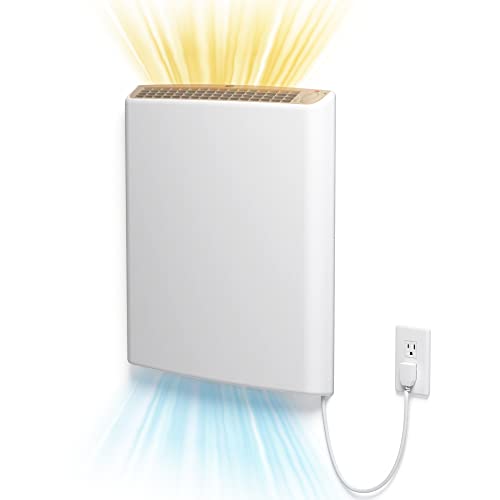
The ENVI plug-in panel emphasizes low-wattage, fan-less heating and safety for continuous operation. Its quiet, convection-based design maintains a moderate surface temperature (~90°F) and avoids circulating dust.
- Comfort & Health: Fan-less operation reduces allergens and dust movement, and the cooler surface temperature preserves humidity.
- Safety Features: Wall-sense safety sensor prevents operation when removed from the wall, enabling safe 24/7 use around children or pets.
- Energy Use: Designed as a zonal supplement to central heating to lower overall energy consumption by heating only occupied spaces.
EnviMAX 220V Hardwired Electric Panel Heater 1000W

Call 888-896-7031 for Free Local HVAC Quotes – Compare and Save Today!
Designed for larger rooms, this 1000W hardwired panel uses the same patented fan-less “Stack Convection” technology to deliver silent, steady heat. The unit stays cool to the touch and is intended for long-term use as a primary or supplemental heater.
- Large Room Performance: Higher wattage supports heating larger zones while still claiming better efficiency than typical portable space heaters.
- Safety & Continuous Use: Wall-SENS safety sensor cuts power if detached; maintains safe surface temperatures and runs quietly 24/7.
- Air Quality Impact: Fan-less design avoids blowing dust and helps maintain indoor humidity compared with forced-air options.
NORRUK Wall-Mounted 120V 500W Space Heater Panel
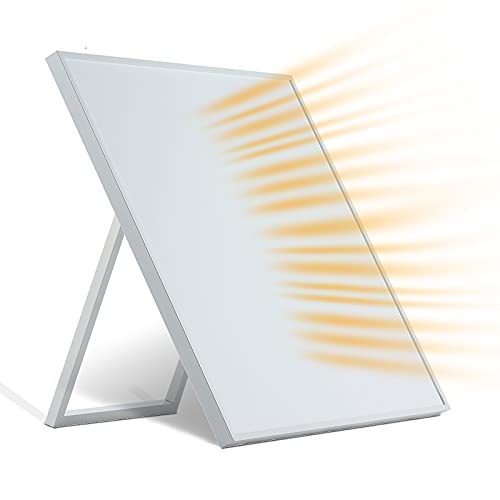
The NORRUK panel focuses on quiet, dust-free convection heating with a portable stand option for temporary placement. The aluminum alloy design offers a sleek appearance and can double as a writable surface in some use cases.
- Portability: Optional stand makes the heater movable without permanent mounting, suitable for multi-room use.
- Low Maintenance: Fan-less convection operation means fewer moving parts and minimal cleaning for dust accumulation.
- Application: Good for bedrooms, offices, garages, and any space where silent operation and low dust are priorities.
Dreo Smart Wall Heater WH719S With 120° Oscillation

This Dreo model integrates smart controls with a wide 120° vertical oscillation and PTC ceramic heating for rapid warm-up and even distribution. It supports app control, scheduling, and voice assistants for convenience and programmable efficiency.
- Smart Features: Dreo app and Alexa/Google compatibility enable remote scheduling and temperature management for energy savings.
- Heat Distribution: 120° oscillation and PTC element promote fast, even room coverage compared with fixed-panel convection-only units.
- Temperature Precision: Fine temperature control and ECO modes help tailor output to comfort while minimizing wasted energy.
Buying Guide: How To Choose An Eco Wall Panel Heater
Selecting an energy-efficient wall panel heater requires balancing room size, installation type, safety, and smart features. The following factors help compare models and match a heater to your needs.
Call 888-896-7031 for Free Local HVAC Quotes – Compare and Save Today!
1. Heater Type And Heating Method
Convection panels gently circulate warmed air and maintain steady room temperature with low noise. PTC ceramic or infrared elements can produce faster local heat; PTC often provides more efficient self-regulating behavior. Fan-less convection is best for low dust and quiet operation.
2. Wattage And Room Size
Estimate required wattage by room area and insulation. Low-watt models (300–600W) work well for small zones or supplemental heating. Higher wattage (800–1500W) is better for main heating in larger rooms. Choose hardwired units for sustained higher output, and plug-in options for portability and easy installation.
3. Energy Efficiency And Running Costs
Look for thermostatic control, timed schedules, and ECO modes to reduce runtime. Smart scheduling and zoning lets you heat only occupied rooms, which yields significant savings versus heating the entire home.
4. Safety Features
Important protections include overheat cut-off, surface temperature limits, wall-sense or removal sensors, and IP ratings for bathrooms. Hardwired installations should meet local electrical codes and be performed by a qualified electrician when required.
5. Air Quality And Noise
Fan-less designs minimize noise and prevent dust circulation—preferred for allergy sufferers and bedrooms. If rapid, directed heat is needed, PTC fans provide speed but may produce noise and air movement.
6. Installation And Mounting
Decide between plug-in (easy install, portable) and hardwired (permanent, higher wattage) options. Check unit dimensions and clearance requirements. Some units include stands for temporary placement.
7. Smart Controls And Scheduling
Smart connectivity and app control allow remote adjustments, temperature-driven schedules, and integration with home automation for better energy management. Voice compatibility and precise temperature calibration can enhance convenience and efficiency.
8. Durability And Certification
Prioritize models with safety certifications (cETL, UL, RoHS) and clear warranty terms. Fan-less designs typically have fewer mechanical failures due to the absence of moving parts.
9. Specific Use Cases
Bathrooms require waterproof ratings (e.g., IP24) and ALCI/ground-fault protection. Bedrooms benefit from silent, low-temperature panels. Living spaces and larger rooms often need higher-watt, hardwired panels or oscillating units for distribution.
10. Cost-Benefit And Zonal Heating Strategy
Consider pairing a zonal wall panel with reduced central thermostat settings. Heating only occupied rooms or “touchpoint” zones often delivers the best return on investment in reduced utility usage.
Comparing these perspectives—efficiency, safety, installation, and controls—will help select the most appropriate eco-friendly wall panel heater for your living space and usage patterns.
Tips for Getting the Best HVAC Prices
- Prioritize Quality Over Cost
The most critical factor in any HVAC project is the quality of the installation. Don’t compromise on contractor expertise just to save money. - Check for Rebates
Always research current rebates and incentives — they can significantly reduce your overall cost. - Compare Multiple Quotes
Request at least three estimates before making your choice. You can click here to get three free quotes from local professionals. These quotes include available rebates and tax credits and automatically exclude unqualified contractors. - Negotiate Smartly
Once you've chosen a contractor, use the proven strategies from our guide — How Homeowners Can Negotiate with HVAC Dealers — to get the best possible final price.