
Small panel heaters provide targeted, space-saving warmth for bedrooms, offices, and small living areas. The table below summarizes five compact panel heaters chosen for efficiency, safety features, and installation flexibility.
| Product | Type | Best For |
|---|---|---|
| DeLonghi Mica Panel Space Heater | 1500W Mica Panel | Medium To Large Rooms, Quiet Operation |
| EconoHome Wall Heater Panel | 400W Convection Wall-Mounted | Small Rooms Up To 120 Sq Ft, Energy Savings |
| DeLonghi Convection Panel Heater HCX9115E | 1500W Convection | Full Room Quick Heat, Portable Or Wall Mount |
| ENVI Plug-in Electric Panel Wall Heater | Low-Watt Wall-Mounted | 24/7 Background Heat, Allergy-Friendly |
| Könighaus Infrared Space Heater | Infrared Wall-Mounted | Small Rooms, Quick Surface Warmth |
Content Navigation
DeLonghi Mica Panel Space Heater

This De’Longhi mica panel heater uses 1500 watts to deliver steady, quiet heat suitable for medium to large rooms. The mica heating elements warm without strong airflow, helping reduce the circulation of dust, pollen, and dander.
Key features include an adjustable thermostat with two heat settings, freestanding or easy wall mount options, and built-in safety systems such as thermal shutoff and tip-over protection. A standby mode activates at low temperatures to prevent freezing risks.
Performance notes: the heater converts 100% of electrical input into heat when running, providing continuous warmth. For users needing quiet, full-room warmth without forced-air noise, this model emphasizes low-noise operation and simple mechanical controls.
EconoHome Wall Heater Panel With Thermostat

Call 888-896-7031 for Free Local HVAC Quotes – Compare and Save Today!
The EconoHome 400W panel heater is a low-watt convection wall-mounted unit designed for rooms up to about 120 sq ft. Its thin profile makes it discreet for hallways, small bedrooms, or offices.
Listed features highlight energy efficiency at roughly 0.6 kWh consumption and a built-in thermostat with a temperature range between 41–86°F. The unit includes a heat reflector, cETL approval, and overheat protection. It may be hard-wired depending on installation needs.
Operation details: this heater primarily uses convection currents with some radiant output. The exterior will feel warm during operation—appropriate for adult-occupied spaces—and the constant-temperature design helps maintain ambient warmth with lower wattage draw.
DeLonghi Convection Panel Heater HCX9115E
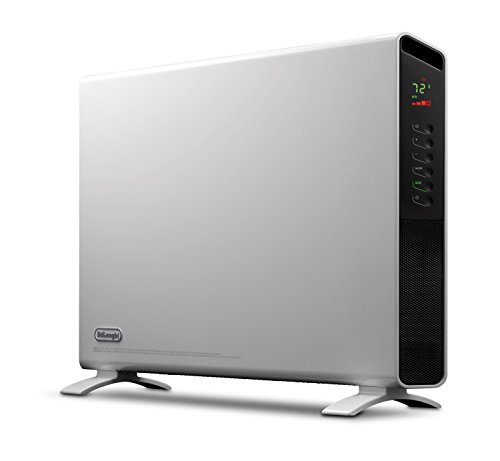
The De’Longhi HCX9115E is a versatile 1500W convection panel heater intended for fast, efficient heating of full rooms. It offers both freestanding and wall-mounted configurations, with included mounting hardware and pre-assembled feet for quick setup.
Notable features are an ECO PLUS function that adjusts heat and power settings for improved efficiency, quick heat distribution suitable for bedrooms or living rooms, and a design focused on performance and user convenience.
Call 888-896-7031 for Free Local HVAC Quotes – Compare and Save Today!
Use-case summary: this heater is appropriate when you need a compact unit capable of whole-room warmth with energy-saving automatic adjustments. It balances portability and fixed installation options for flexible placement.
Envi Plug-In Electric Panel Wall Heaters
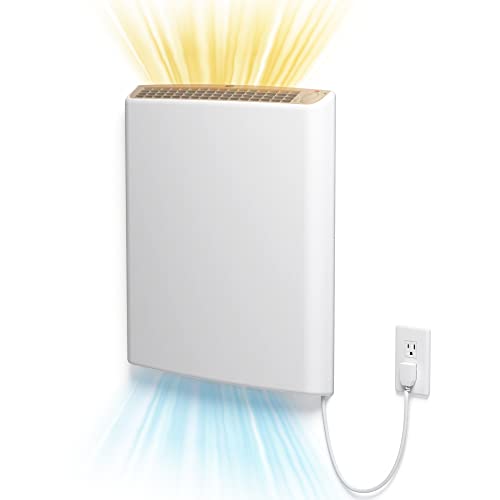
The ENVI plug-in panel heater focuses on low-watt, continuous heating with a patented fan-less design that avoids blowing dust or allergens. Its plug-in installation makes it suitable for renters or areas where hardwiring is not practical.
Key points include a cool-surface operating temperature (around 90°F), a wall-sense safety sensor that cuts power if removed, and a silent convection approach called “Stack Convection.” The unit is positioned for 24/7 background use in homes with children, pets, or allergy concerns.
Performance: because it minimizes forced-air circulation and runs quietly, ENVI models are often used in bedrooms or dedicated spaces where low-noise, low-maintenance heat is preferred.
Könighaus Infrared Space Heater

The Könighaus infrared panel delivers direct radiant warmth and is designed for small rooms with quick surface heating. Available in multiple wattages (e.g., 300W, 600W), it targets occupants and objects rather than relying solely on air convection.
Product features emphasize high performance in the infrared sector, maintenance-free operation, a powder-coated aluminum frame, and a 5-year manufacturer warranty. Performance claims specify heating area estimates by wattage to guide room-size matching.
Infrared characteristics: these panels produce a pleasant, direct heat that can feel faster at lower wattage levels compared to convection-only units, and they operate silently with minimal maintenance requirements.
Buying Guide: How To Choose A Small Panel Heater
Selecting the right small panel heater depends on room size, intended use, installation preferences, and safety needs. Below are the key factors to compare when evaluating models.
1. Heating Technology
- Convection Panel Heaters warm the air, creating circulating currents that heat a room over time. Best for whole-room, uniform warmth.
- Infrared/Radiant Panels heat objects and people directly, often feeling warmer faster in a targeted zone and working well in smaller spaces or for spot heating.
- Mica And Ceramic Elements combine quiet operation with efficient heat transfer and often lower surface temperatures.
2. Wattage And Room Size
- Match wattage to room size: low-watt units (200–600W) suit small rooms or supplemental heat. Higher-watt units (1200–1500W) handle medium to larger rooms.
- Use manufacturers’ square-foot guidance as a starting point but factor in insulation, ceiling height, and window area.
3. Installation And Placement
- Wall-Mounted panels save floor space and are good for permanent or semi-permanent placements.
- Plug-In models are flexible for renters or temporary use; confirm cord length and outlet placement.
- Hardwired or high-voltage models may need professional installation but can offer cleaner aesthetics and permanent solutions.
4. Safety Features
- Look for overheat protection, tip-over switches (for freestanding units), cool-touch surfaces, and sensors that cut power if the unit is disturbed.
- For homes with children, pets, or high-traffic areas, prioritize models with wall-sense sensors or low exterior temperatures.
5. Energy Efficiency And Controls
- Thermostats and programmable timers reduce wasted energy. An ECO or auto-adjust function can optimize power use.
- Low-watt continuous operation can be more economical for background heating than large, intermittent bursts.
6. Noise And Air Quality
- Fan-less and mica models are typically silent and do not blow dust, beneficial for allergy sufferers and sleep environments.
- Fan-based units may deliver faster heat distribution but can stir dust and create audible noise.
7. Durability, Warranty, And Maintenance
- Check manufacturer warranties and claims about maintenance-free operation. Infrared panels often advertise low maintenance and long lifespans.
- Consider build materials (metal frame, powder coating) for long-term performance in humid or high-use areas.
8. Usability And Features
- Simple mechanical dials provide reliability; digital controls and timers offer precision and convenience.
- Mounting hardware, included feet, and quick-start guides reduce installation friction.
9. Comparison Perspectives
- Performance vs. Noise: Mica and infrared panels deliver warmth with minimal noise, while some convection fans heat faster at the expense of sound.
- Energy Cost vs. Comfort: Lower wattage units reduce running costs but may offer slower heat buildup; high-watt units provide faster comfort but consume more power when active.
- Portability vs. Permanence: Plug-in models are portable and renter-friendly; hardwired or wall-mounted solutions offer cleaner integration and continuous background heat.
Use these considerations to compare the product features above and match a panel heater to your specific room dimensions, noise sensitivity, and installation constraints.
Tips for Getting the Best HVAC Prices
- Prioritize Quality Over Cost
The most critical factor in any HVAC project is the quality of the installation. Don’t compromise on contractor expertise just to save money. - Check for Rebates
Always research current rebates and incentives — they can significantly reduce your overall cost. - Compare Multiple Quotes
Request at least three estimates before making your choice. You can click here to get three free quotes from local professionals. These quotes include available rebates and tax credits and automatically exclude unqualified contractors. - Negotiate Smartly
Once you've chosen a contractor, use the proven strategies from our guide — How Homeowners Can Negotiate with HVAC Dealers — to get the best possible final price.