
Choosing the right camper space heater balances portability, fuel type, safety, and power. The table below summarizes five strong options for RVs and campers, covering propane, electric, and diesel designs to fit different installation and use cases.
| Product | Fuel / Power | Best For |
|---|---|---|
| Mr. Heater Portable Buddy MH9BX | Propane (4,000–9,000 BTU) | Quick radiant heat, small camper areas |
| BLACK+DECKER Portable Space Heater | Electric (750/1500W) | Portable plug-in heat for small areas |
| Dreo Space Heater 1500W | Electric (1500W PTC) | Fast ceramic heating with thermostat |
| VOCRS 1500W Portable Heater | Electric (700/1000/1500W) | Adjustable power levels and timer |
| LF Bros 5KW Diesel Heater | Diesel (All-in-one, 12/24/110V) | Installed continuous heating for larger campers |
Content Navigation
Mr. Heater Portable Buddy Heater MH9BX
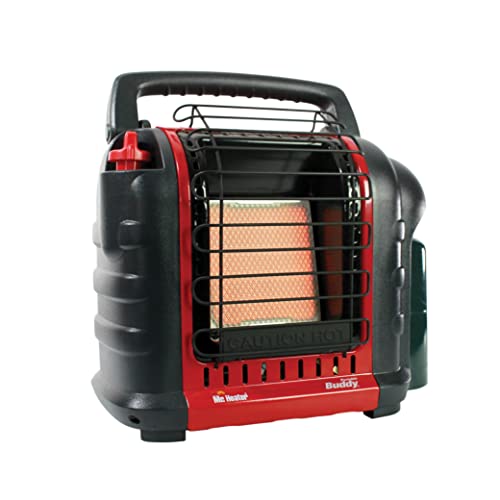
The Mr. Heater Portable Buddy is a propane radiant heater that produces 4,000–9,000 BTUs and is rated to heat up to approximately 225 sq. ft. It uses infrared-style radiant heat to warm people and objects directly rather than relying on circulating air. That can provide visible, sun-like warmth quickly inside a small camper or screened-in area.
Key features include an improved tip-over safety switch that audibly engages if the unit is jostled, and a Piezo igniter for matchless startup. The unit is designed for indoor-safe propane use, making it a common choice for portable camper heating when proper ventilation and propane handling are observed.
Consider this model if you want fast radiant warmth with a portable propane option. Users planning to run a propane heater inside a camper should follow manufacturer safety guidance and verify compatibility with their camper ventilation and carbon monoxide precautions.
BLACK+DECKER Portable Space Heater With Carry Handle

Call 888-896-7031 for Free Local HVAC Quotes – Compare and Save Today!
The BLACK+DECKER Portable Space Heater is a lightweight electric heater designed for personal spaces. It offers two heat settings (750W and 1500W) plus a fan-only mode. The compact footprint and carry handle make it easy to move between camper areas, and the 6 ft power cord provides placement flexibility near standard 120V outlets.
This unit uses a basic adjustable thermostat and manual controls, suitable for short-term supplemental heating. As an electric plug-in option, it avoids combustion inside the camper but requires available shore power, generator output, or inverter capacity that can reliably supply 1500W.
Choose this type when you prefer a simple plug-and-play electric heater without fuel handling. Verify your camper’s electrical capacity before sustained 1500W use to prevent tripped breakers or depleted battery systems.
Dreo Space Heater 1500W With Thermostat & Remote

The Dreo Space Heater uses a 1500W advanced PTC ceramic heating element and an optimized airflow design to deliver quick heat and wider circulation. It includes an electronic thermostat with fine temperature control (41–95°F in 1°F increments), a digital display, remote control, and a 12-hour timer for scheduled operation.
Safety features include tilt-detection, overheat protection, flame-retardant materials, and an ETL certification. For campers with reliable 120V power, this model provides precise temperature control and multiple modes for energy management.
Call 888-896-7031 for Free Local HVAC Quotes – Compare and Save Today!
This heater is a fit for users prioritizing electronic temperature regulation and programmable features. Ensure your camper electrical system or generator can meet the heater’s power draw during use.
VOCRS Small Portable 1500W PTC Electric Heater

The VOCRS 1500W PTC ceramic heater offers three power levels (700W/1000W/1500W), a clear digital display, remote control, and a 1–12 hour timer. These features allow staged heating to reduce draw or run on timed schedules, which can be beneficial for preserving battery or generator usage in an RV.
Its combination of multiple wattage options, remote control, and timer makes it adaptable to varied camper power availability. Safety features typically include automatic shutoff for tipping and overheat protection, aligning with standard electric heater expectations.
Pick this unit if you want flexible power settings to manage energy consumption and programmable runtime for overnight use when paired with appropriate camper energy resources.
LF Bros 5KW Diesel Air Heater All-In-One

The LF Bros 5KW Diesel Heater is an all-in-one air diesel parking heater designed for continuous heating across a wider range of applications including campers and vans. It supports 12V, 24V, and includes a 110V transformer, offering versatility in power hookups.
This unit lists a wide BTU range and variable fuel consumption, with an LCD controller and remote for setting temperature. Diesel heaters are commonly used for vehicles and larger camper setups because they can run off stored diesel fuel and provide sustained interior heat without relying on shore power.
Consider a diesel unit for installed, longer-duration heating needs where ventilation, mounting space, and professional or experienced installation capability exist. Diesel heaters typically require more installation effort and adherence to exhaust routing and fuel supply safety practices.
Buying Guide: How To Choose A Camper Space Heater
This guide highlights the principal factors to evaluate when selecting a heater for an RV or camper. Considerations include fuel type, power needs, safety, installation, noise, and compatibility with your camper’s systems.
Tips for Getting the Best HVAC Prices
- Prioritize Quality Over Cost
The most critical factor in any HVAC project is the quality of the installation. Don’t compromise on contractor expertise just to save money. - Check for Rebates
Always research current rebates and incentives — they can significantly reduce your overall cost. - Compare Multiple Quotes
Request at least three estimates before making your choice. You can click here to get three free quotes from local professionals. These quotes include available rebates and tax credits and automatically exclude unqualified contractors. - Negotiate Smartly
Once you've chosen a contractor, use the proven strategies from our guide — How Homeowners Can Negotiate with HVAC Dealers — to get the best possible final price.
Fuel Type And Power Source
- Electric (120V / 1500W) — Clean, no combustion inside the camper. Requires shore power, generator, or sufficient inverter/battery capacity. Best for short-term supplemental heat.
- Propane — Portable and high-heat output; useful when shore power is unavailable. Requires proper ventilation, CO monitoring, and safe cylinder handling. Radiant propane models warm people and objects quickly.
- Diesel — Installed systems offer continuous heating and run off vehicle fuel. Suitable for larger campers or longer stays but require professional installation and exhaust routing.
Heating Capacity And Coverage
- Match the heater’s BTU or watt rating to your camper’s interior volume. Small space heaters (1500W) commonly serve a single zone or small camper efficiently.
- Radiant heaters warm occupants directly and can feel warmer at lower air temperatures, while convection/ceramic heaters circulate warm air for whole-space comfort.
Safety Features
- Look For tip-over shutoff, overheat protection, and relevant certifications (ETL/CSA) for electric units.
- For combustion heaters, ensure compatibility with indoor use guidance, carbon monoxide alarms, and adequate ventilation.
- Diesel and propane installations should follow manufacturer instructions and local codes—consider professional installation.
Electrical System And Energy Management
- Verify your camper’s shore power, generator, or inverter can handle continuous draw (e.g., 1500W). Running high-watt heaters on limited battery systems will deplete power rapidly.
- Models with adjustable wattage, timers, or thermostats allow better energy control and may reduce runtime while maintaining comfort.
Portability And Installation
- Portable Plug-In Heaters — Easy to move and require no permanent installation. Ideal for temporary or supplemental heating.
- Installed Units — Diesel or hard-mounted wall heaters provide integrated solutions but need space, mounting, and often professional installation.
Noise And Comfort
- Ceramic and PTC heaters vary in fan noise; check decibel ratings where available if quiet sleeping environments are important.
- Fan-less panel heaters or radiant propane models produce minimal circulation noise but differ in how they distribute warmth.
Controls And Features
- Thermostats, remote controls, timers, and digital displays provide convenience and can improve energy efficiency.
- Smart features (app control, voice compatibility) are useful when integrated with camper electrical management but add complexity.
Maintenance And Durability
- Review filter access, fan cleaning needs, and wear parts for installed heaters. Diesel systems may need periodic fuel and combustion checks.
- Propane heater components and valves should be inspected regularly for leaks or corrosion.
Safety Checklist Before Use
- Install a CO detector and smoke alarm in any camper where combustion heaters are used.
- Confirm ventilation requirements and never block airflow inlet/outlet ports.
- Test tip-over and overheat protections periodically per the manufacturer’s recommendations.