
Choosing the best inside tent heater means balancing warmth, safety, size, and fuel type. The following roundup compares compact propane radiant heaters and an electric ceramic option suited for small tents and enclosed shelters. The quick summary table highlights each model’s main strengths to help narrow choices.
| Product | Type | Key Benefit |
|---|---|---|
| Mr. Heater Portable Buddy Heater MH9BX | Propane Radiant | High BTU range, radiant warmth for up to 225 sq ft |
| Mr. Heater F215100 MH4B Little Buddy | Propane Radiant | Compact indoor-safe design, suitable for small tents up to 95 sq ft |
| ALOCS 3 in 1 Portable Heater and Stove | Propane Camping Heater/Stove | 5200 BTU with adjustable output and storage rack |
| Buyplus Portable Propane Heater 6200 BTU | Propane Radiant | Mid-range BTU with electric ignition and adjustable control |
| Amazon Basics Ceramic Space Heater, 500W | Electric Ceramic | Compact, low-voltage option for enclosed indoor use |
Content Navigation
- Mr. Heater Portable Buddy Heater MH9BX
- Mr. Heater F215100 MH4B Little Buddy
- ALOCS 3 In 1 Portable Heater And Stove
- Buyplus Portable Propane Heater 6200 BTU
- Amazon Basics Ceramic Space Heater 500W
- Buying Guide: How To Choose An Inside Tent Heater
- 1. Heat Output And Coverage
- 2. Fuel Type: Propane Vs Electric
- 3. Safety Features
- 4. Portability And Size
- 5. Runtime And Fuel Capacity
- 6. Ventilation And Placement
- 7. Heating Type: Radiant Vs Convection
- 8. Multi-Function Features
- 9. Environmental Conditions
- 10. Regulatory And Certification Considerations
- Comparison Perspectives To Consider
Mr. Heater Portable Buddy Heater MH9BX
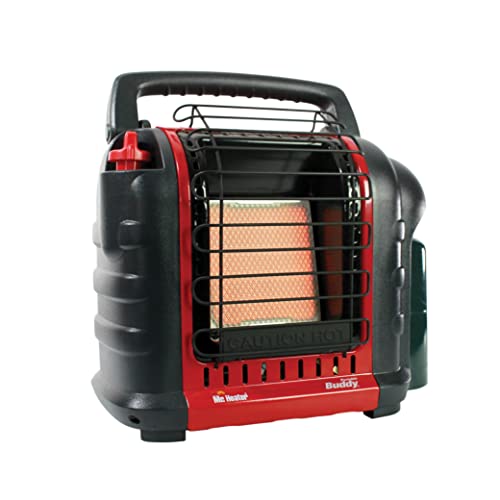
This propane radiant heater delivers adjustable heat from 4,000 to 9,000 BTUs and is designed to warm areas up to about 225 sq ft by directly heating objects and people. The unit uses infrared-style radiant output rather than forced air, which can feel like sun-like warmth in a tent or enclosed shelter.
Key safety features include an improved tip-over safety switch that activates if the unit is jostled, and a reliable Piezo igniter for matchless start-up. The MR Heater Buddy design focuses on portability and straightforward controls. When used as intended with proper ventilation and following manufacturer safety guidelines, it offers a strong balance of power and mobility.
Mr. Heater F215100 MH4B Little Buddy
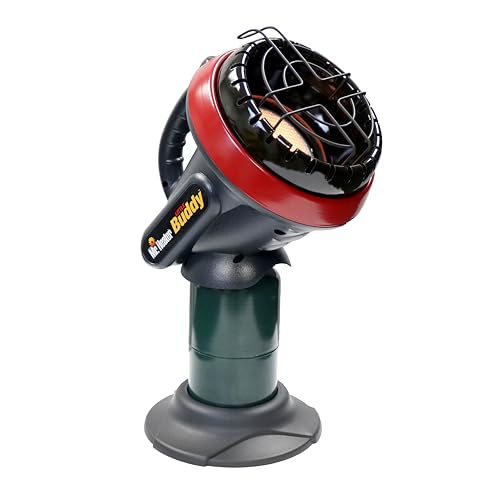
The MH4B Little Buddy is a compact indoor-safe propane heater producing 3,800 BTU and covering approximately 95 sq ft. Its small footprint and lightweight design make it a common choice for small tents, campers, and enclosed shelters where space is limited.
Call 888-896-7031 for Free Local HVAC Quotes – Compare and Save Today!
Safety systems include an automatic low oxygen shut-off (ODS), accidental tip-over protection, and a patented cross thread protection system. The heater runs on a 1-pound propane cylinder and offers several hours of runtime at higher settings, making it practical for short overnight use when ventilation and safe placement are ensured.
ALOCS 3 In 1 Portable Heater And Stove

The ALOCS 3-in-1 unit combines a 5200 BTU heater with stove functionality and a removable storage shelf. It targets campers who want both cooking and heating capability in a single compact device, weighing about three pounds for portability.
A stepless adjustable knob allows precise heat regulation, and the design includes a handle and compact form factor for easy transport. As a multi-function unit, it emphasizes utility for tent trips where a lightweight, flexible heater/stove is advantageous. Follow manufacturer guidance for safe in-tent use and ventilation requirements.
Buyplus Portable Propane Heater 6200 BTU

The Buyplus 6200 BTU portable propane heater is intended for rapid radiant heating of spaces up to roughly 200 sq ft. Features include electric ignition, a control valve for adjusting output, and a gas cylinder base for stability.
Call 888-896-7031 for Free Local HVAC Quotes – Compare and Save Today!
The unit emphasizes quick heat delivery and portability for outdoor activities that sometimes extend into semi-enclosed shelters. Its adjustable control knob allows users to change heat level without moving the unit, and the model is positioned as versatile for camping, fishing, and similar uses when proper safety practices are followed.
Amazon Basics Ceramic Space Heater 500W

This electric ceramic heater delivers 500W of power in a very compact package, best suited to small enclosed spaces such as screened tent vestibules or hard-walled campers with access to mains or inverter power. The device is lightweight and designed for quick, localized heat.
Safety features include tip-over protection and compact construction that fits on a table or floor. Because it is electric, it avoids combustion byproducts and the need for fuel canisters, making it an option for users with reliable power sources who prioritize indoor air quality and simplicity.
Buying Guide: How To Choose An Inside Tent Heater
Selecting a tent heater requires matching heat output, fuel, safety systems, and the specific shelter conditions. This guide covers the key factors to evaluate before purchase.
1. Heat Output And Coverage
BTU (for fuel heaters) indicates the heating power. Small tents generally need 3,000–6,000 BTU for supplemental warmth, while larger canvas tents or shelters may require higher output. For electric heaters, wattage (e.g., 500W) and airflow determine coverage. Always verify manufacturer stated coverage and avoid oversizing for enclosed small tents.
2. Fuel Type: Propane Vs Electric
- Propane Radiant Heaters (BTU-rated) operate without electricity and warm objects directly. They are portable but produce combustion byproducts, requiring ventilation and ODS (oxygen depletion sensors) for safe indoor use.
- Electric Ceramic Heaters are cleaner for enclosed spaces because they don’t combust fuel. They require a reliable power source (battery inverter, campground power) and usually provide less peak heat than high-BTU propane units.
3. Safety Features
Essential safety systems include ODS (low oxygen shut-off), tip-over protection, and reliable ignition mechanisms (Piezo or electric). For propane heaters, confirm certification for indoor-safe use and read instructions on minimum clearances and ventilation. Never sleep with an active heater in tight, sealed tents without adequate air exchange.
4. Portability And Size
Consider weight, footprint, and how the heater mounts or rests in the tent. Compact models like the MR Heater Little Buddy and some integrated stove/heater units provide an excellent balance of portability and function. Balance runtime on common fuel canister sizes against carry weight for multi-day trips.
5. Runtime And Fuel Capacity
Check runtime figures for a given fuel cylinder size. Many 1-lb propane cylinders power small heaters for several hours at high settings. Larger tanks or dual-tank options extend runtime but add weight and complexity.
6. Ventilation And Placement
- Always provide adequate ventilation to avoid carbon monoxide buildup when using combustion heaters.
- Place heaters on stable, non-flammable surfaces and maintain manufacturer-specified clearances from tent fabric and gear.
7. Heating Type: Radiant Vs Convection
Radiant heaters directly warm people and gear and often feel more immediate in drafty spaces. Convection heaters warm air and may be preferable in well-insulated shelters where circulating warm air is desired. Choose based on tent design and how you spend time inside (sitting stationary vs moving around).
8. Multi-Function Features
Some units combine heating with cooking or storage (e.g., 3-in-1 designs). These can reduce gear weight but may require different safety considerations when used for both cooking and heating.
9. Environmental Conditions
Altitude affects combustion heater performance; many propane units include altitude guidance. Cold-start behavior and wind resistance are also important for partially open shelters and vestibules.
10. Regulatory And Certification Considerations
Look for models with proper safety certifications and any locale-specific approvals. Some units list regional approvals or explicit indoor-safe labeling; confirm these before relying on a heater inside a tent or enclosed camper.
Comparison Perspectives To Consider
- Short Overnight Trips: Small, portable propane units with ODS and tip-over protection offer quick warmth and lightweight convenience.
- Extended Camping With Power: Electric ceramic heaters avoid combustion risks but need a reliable power source and typically offer lower peak heat.
- Cooking + Heating Combined: Multi-function stoves can consolidate gear but require strict adherence to ventilation and surface safety.
- Large Tents/Group Shelters: Higher-BTU models with variable settings work better for larger volumes, but safety clearance and airflow become more critical.
Use the above factors to match heater capabilities to your tent size, ventilation, and trip logistics. Always follow manufacturer instructions and local safety recommendations when operating a heater inside any enclosed shelter.
Tips for Getting the Best HVAC Prices
- Prioritize Quality Over Cost
The most critical factor in any HVAC project is the quality of the installation. Don’t compromise on contractor expertise just to save money. - Check for Rebates
Always research current rebates and incentives — they can significantly reduce your overall cost. - Compare Multiple Quotes
Request at least three estimates before making your choice. You can click here to get three free quotes from local professionals. These quotes include available rebates and tax credits and automatically exclude unqualified contractors. - Negotiate Smartly
Once you've chosen a contractor, use the proven strategies from our guide — How Homeowners Can Negotiate with HVAC Dealers — to get the best possible final price.