
Quick Overview: This guide compares popular pellet stoves and indoor heating alternatives to help you choose the right unit for a home environment. Below is a summary table of the five selected products and key attributes to scan before diving into full reviews.
| Product | Type | Reported Coverage | Notable Feature |
|---|---|---|---|
| Cleveland Iron Works Bayfront Pellet Stove | Freestanding Pellet Stove | 1800–2500 Sq Ft | Built-in WiFi, Tax Credit Eligible |
| Comfortbilt HP22i Pellet Stove Fireplace Insert | Insert / Freestanding | Up To 2800 Sq Ft | Programmable, EPA Approved |
| Canyon Lodge Large Pellet Stove | Large Pellet Stove | 2000–3000 Sq Ft | High Capacity Hopper, WiFi, Tax Credit Eligible |
| FIRE RIOT Outdoor Patio Heater (Tower Style) | Outdoor Pellet Heater / Patio Tower | Patios / Gardens | Glass Window, Long Burn Time |
| Dreo Space Heater (Electric) | Portable Electric Heater | Small Rooms / Offices | 1500W PTC, Thermostat & Safety Features |
Content Navigation
- Cleveland Iron Works Bayfront Pellet Stove Heats up to 2500 Sq Ft
- Comfortbilt HP22i Pellet Stove Fireplace Insert Heats 2800 sq.ft
- Canyon Lodge Large Pellet Stove Heats Up To 3000 Sq Ft
- Outdoor Patio Heaters, Wood Pellet Outdoor Patio Heater with Glass Window
- Dreo Space Heater, Portable Electric Heaters for Indoor Use
- Buying Guide: How To Choose An Indoor Pellet Heater
Cleveland Iron Works Bayfront Pellet Stove Heats up to 2500 Sq Ft
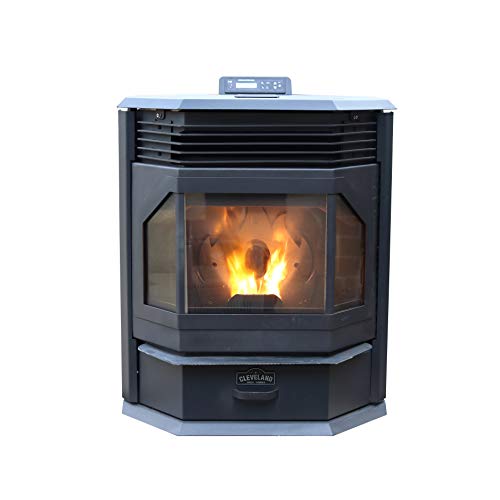
This freestanding pellet stove is described as capable of heating between 1800 and 2500 square feet, making it suitable for medium to large living spaces. It features built-in WiFi for remote control and monitoring, which can integrate into smart-home routines. The product listing notes that it qualifies for a 30% IRS Biomass Stove Tax Credit, a factor to verify with current tax guidance and local regulations before purchase.
Key operational characteristics include automated feed systems typical of pellet stoves and systems designed for longer burn periods. As with similar models, installation requires adherence to venting and clearance requirements; professional installation is often recommended for safety and performance.
Comfortbilt HP22i Pellet Stove Fireplace Insert Heats 2800 sq.ft

The Comfortbilt HP22i is listed as an EPA-approved pellet insert/stove with a reported heating capacity up to 2,800 sq ft. Features highlighted include a 47 lb hopper capacity, programmable heat settings, auto-ignition, and the need for proper ventilation and chimney or direct-vent installation.
Call 888-896-7031 for Free Local HVAC Quotes – Compare and Save Today!
This model emphasizes efficiency and automation for home heating. Users should note installation details — venting is required — and that local building codes or manufacturer instructions determine acceptable placement. The programmable controls and auto-ignite function enable scheduled operation and consistent indoor temperatures.
Canyon Lodge Large Pellet Stove Heats Up To 3000 Sq Ft

Marketed for large areas, the Canyon Lodge stove lists heating capabilities from 2,000 to 3,000 sq ft and a substantial hopper capacity (noted as 130 lb in the listing). It repeats the claim of qualifying for a 30% IRS Biomass Stove Tax Credit and mentions built-in WiFi for remote control features.
High-capacity pellet stoves like this favor long unattended burn times and are suited to whole-house or large open floorplan homes when installed correctly. Verify flue/vent sizing, clearances, and whether your home’s layout supports a single-unit solution versus multiple-zone approaches.
Outdoor Patio Heaters, Wood Pellet Outdoor Patio Heater with Glass Window

Although designed primarily for outdoor use, this tower-style pellet heater has features that may interest buyers comparing indoor pellet systems. The listing emphasizes a stylish glass window for visual flame appreciation, up to 6 hours of run time on pellets, and a high reported output (noted as 75,000 BTU in the listing).
Call 888-896-7031 for Free Local HVAC Quotes – Compare and Save Today!
Because it’s intended for patios and gardens, the unit’s ventilation and safety clearances differ from indoor-rated stoves. It may be relevant for covered outdoor living spaces or for buyers weighing outdoor pellet heating options versus indoor pellet stoves. Do not assume outdoor-rated units meet indoor venting and emissions requirements.
Dreo Space Heater, Portable Electric Heaters for Indoor Use

This electric space heater is listed as a 1500W PTC ceramic unit with an integrated thermostat, remote control, 12-hour timer, and multiple safety features such as tilt detection and overheat protection. It’s designed for indoor rooms and offers precise temperature control with 1°F increments.
While not a pellet heater, it serves as an indoor alternative for localized supplemental heating where pellet stoves are impractical due to installation, venting, or space constraints. Electric units avoid combustion and flue requirements but typically cost more to operate per hour than pellet systems depending on fuel and electricity prices.
Buying Guide: How To Choose An Indoor Pellet Heater
Selecting the right indoor pellet heater involves technical, practical, and regulatory factors. Below are the key considerations organized for clarity and comparison.
Tips for Getting the Best HVAC Prices
- Prioritize Quality Over Cost
The most critical factor in any HVAC project is the quality of the installation. Don’t compromise on contractor expertise just to save money. - Check for Rebates
Always research current rebates and incentives — they can significantly reduce your overall cost. - Compare Multiple Quotes
Request at least three estimates before making your choice. You can click here to get three free quotes from local professionals. These quotes include available rebates and tax credits and automatically exclude unqualified contractors. - Negotiate Smartly
Once you've chosen a contractor, use the proven strategies from our guide — How Homeowners Can Negotiate with HVAC Dealers — to get the best possible final price.
Heating Capacity And Home Size
- Square Foot Coverage: Match the stove’s rated coverage to your heated area. Manufacturers list approximate ranges; real-world performance varies with insulation and ceiling height.
- Multi-Zone Needs: Large homes may need multiple units or supplemental heating for closed-off rooms.
Ventilation, Installation, And Codes
- Venting Requirements: Indoor pellet stoves require approved venting (chimney or direct vent). Confirm clearances and vent routing before purchase.
- Professional Installation: Consider certified installers for compliance with local building codes and optimal performance.
- EPA And Local Regulations: Look for EPA certification for emissions and any local air-quality restrictions that could affect use.
Fuel Handling And Hopper Capacity
- Hopper Size: Larger hoppers mean longer run times between refills. Balance size with available floor/clearance space.
- Pellet Quality: Use manufacturer-recommended pellet grades to maintain combustion efficiency and reduce maintenance needs.
Controls, Automation, And Connectivity
- Programmable Thermostats: Allow schedule-based operation and improved energy management.
- Smart Features: Built-in WiFi or remote control can aid convenience but verify security and compatibility.
Efficiency, Emissions, And Certifications
- EPA Approval: Indicates compliance with emissions standards and typically higher combustion efficiency.
- Tax Credits / Incentives: Some models may qualify for biomass stove tax credits—confirm eligibility with current tax guidance.
Safety And Maintenance
- Routine Cleaning: Ash removal, hopper cleaning, and periodic vent inspection are required for reliable operation.
- Safety Features: Look for automatic shutdowns, overheat protection, and tip/clearance safeguards where applicable.
Indoor vs Outdoor Units
- Intended Location: Only select units specifically rated for indoor use for home heating—outdoor patio heaters often lack indoor-rated venting and emissions controls.
- Alternatives: Electric space heaters can be practical indoor alternatives when venting or installation prevents pellet stove use, though operational costs and heating profiles differ.
Cost Of Operation And Supply Chain
- Pellet Availability: Check local pellet supply and seasonal pricing. Pellet stoves rely on steady access to quality fuel.
- Operating Costs: Compare expected fuel consumption and electric backup requirements for blowers and controls.
Comparison Perspectives
- Performance vs Convenience: Larger pellet stoves provide longer heat and hopper capacity but require more installation effort. Smaller inserts may integrate into existing fireplaces for easier upgrade.
- Indoor Air Quality: Indoor-rated pellet stoves with EPA approval typically emit less particulate matter than non-certified units; proper installation reduces indoor infiltration of combustion byproducts.
- Long-Term Service: Evaluate warranty, availability of replacement parts, and local service resources to estimate lifecycle support.