
Electric PVC heaters and conduit benders speed up PVC shaping for electrical, plumbing, and DIY projects. This guide reviews reliable options geared toward heating and bending 1/2″ to 4″ PVC conduit, comparing capacity, safety features, and ease of use. Below is a quick summary of the selected units for easy comparison.
| Product | Brand | Key Capacity |
|---|---|---|
| Greenlee 851 Electric PVC Heater/Bender | Greenlee | 1/2″–4″ Pipe |
| Greenlee 849 1/2″ to 2″ Electric PVC Heater | Greenlee | 1/2″–2″ Pipe (24″ Sections) |
| Hoadhen PBH20-4 Electric PVC Conduit Heater | Hoadhen | 1/2″–4″ (52″ Sections, 2000W) |
| Greenlee 847 Electric PVC Heater | Greenlee | General PVC Heater Model |
| TEMCo TH4001 PVC Conduit Heat Blanket | TEMCo Industrial | 1/2″–1 1/2″ Flexible Blanket |
Content Navigation
- Greenlee 851 Electric PVC Heater/Bender For 1/2-Inch – 4-Inch PVC Pipes
- Greenlee 849 1/2″ to 2″ Electric PVC Heater For 24″ Sections
- Hoadhen 1/2″ to 4″ Electric PVC Conduit Heater With Temperature Detector
- Greenlee 847 Electric PVC Heater
- TEMCo TH4001 PVC Conduit Heat Blanket Bender 1/2″ – 1 1/2″
- Buying Guide: How To Choose An Electric PVC Heater
- 1. Capacity And Pipe Diameter
- 2. Heating Method: Enclosed Chamber Vs Heat Blanket
- 3. Power, Heat-Up Time, And Temperature Control
- 4. Safety Features And User Protection
- 5. Build Quality, Portability, And Serviceability
- 6. Bend Consistency And Workflow
- 7. Application-Specific Considerations
- 8. Comparison Perspectives
Greenlee 851 Electric PVC Heater/Bender For 1/2-Inch – 4-Inch PVC Pipes

The Greenlee 851 is built for heating and bending larger PVC and conduit sizes from 1/2″ to 4″. It uses a simple preheat routine: allow the chamber to preheat for about ten minutes, place the pipe, close and rotate until the PVC becomes pliable, then remove and form bends.
Key construction features include heavy-duty insulated metal walls and a reflective interior for more efficient, even heat distribution. The unit features a full-length door to simplify loading and unloading longer sections. The operating workflow emphasizes repeatability and consistent heat for field or shop use.
Use cases: suitable where bending a range of conduit sizes is required and a durable, enclosed heating chamber is preferred. Operators should follow safety practices for heat and hot surfaces when removing softened material.
Greenlee 849 1/2″ to 2″ Electric PVC Heater For 24″ Sections

Call 888-896-7031 for Free Local HVAC Quotes – Compare and Save Today!
The Greenlee 849 is designed specifically for heating 24″ sections of PVC conduit ranging from 1/2″ to 2″. It follows a similar, straightforward operation: preheat about ten minutes, insert pipe, rotate until pliable, then remove to form the desired bend.
Its benefits stem from a double-wall metal construction with fiberglass insulation and a reflective interior to provide fast, even heat distribution. The focus is on consistent softening across the section length to produce uniform bends, which is useful when working with standard-length conduit runs.
The 849 fits shops and field crews that frequently heat shorter conduit lengths and value quick cycle times and reliable chamber performance. Proper handling of heated conduit and PPE for heat-resistant gloves are recommended when removing material.
Hoadhen 1/2″ to 4″ Electric PVC Conduit Heater With Temperature Detector

The Hoadhen PBH20-4 supports longer sections (up to 52″) and offers temperature monitoring for more controlled heating. The unit operates at 120VAC with approximately 2000–2300W output, enabling rapid heat-up of conduit up to 4″ diameter.
Notable features include a built-in temperature detector for real-time monitoring and an automatic shutoff that triggers if internal temperature exceeds preset thresholds for prolonged periods. This promotes a safety-first approach to prevent overheating. A full-length door simplifies loading and unloading of long conduits.
Call 888-896-7031 for Free Local HVAC Quotes – Compare and Save Today!
The Hoadhen model suits users who require temperature feedback and automated safety controls when heating longer sections. Follow manufacturer instructions for temperature setpoints and cooldown intervals before reshaping heated conduit.
Greenlee 847 Electric PVC Heater
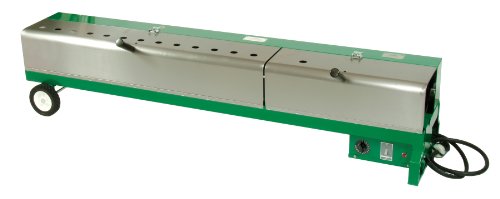
The Greenlee 847 is presented as a general-purpose electric PVC heater within Greenlee’s lineup. Package dimensions and unit packaging information indicate it’s a larger, robust tool intended for professional environments.
While fewer technical details are listed, the product is positioned as a durable tool in Greenlee’s heater family. Standard operation will mirror other enclosed heaters: preheat, insert PVC, rotate until pliable, remove, and form bends. Its configuration is suitable for technicians who need a rugged, repeatable heating chamber in a work setting.
Use this model where compatibility with other Greenlee accessories or replacement parts is advantageous. Confirm the specific capacity and power ratings against project requirements before use.
TEMCo TH4001 PVC Conduit Heat Blanket Bender 1/2″ – 1 1/2″

The TEMCo TH4001 is a heat blanket style bender designed for 1/2″ to 1 1/2″ conduit. Unlike enclosed chamber heaters, the blanket wraps around conduit, offering flexibility in bend angle and placement, which can be helpful when pulling wire through complex conduit runs.
Key design aspects include a longer blanket that allows wider bends and a thermostat mounted on the outside of the blanket so the wrap stays tighter around conduit. The blanket approach enables making a variety of angles rather than being limited to preset bend radii.
Ideal for electricians needing localized heating with flexible bending options, the blanket method can produce smooth bends while minimizing the need to move long sections into a chamber. Operators should use appropriate temperature controls and follow blanket usage guidelines for even heating.
Buying Guide: How To Choose An Electric PVC Heater
Selecting the right electric PVC heater or heat blanket depends on material size, project workflow, safety needs, and portability. The following considerations help match a product to jobsite or shop requirements.
1. Capacity And Pipe Diameter
- Match Heater Size To Conduit Diameter: Choose an enclosed heater or blanket rated for the specific conduit diameters you plan to bend (e.g., 1/2″–2″, 1/2″–4″).
- Section Length Capability: Enclosed chambers list workable lengths (24″, 52″, etc.). Long runs may require a larger chamber or a blanket that wraps along the length.
2. Heating Method: Enclosed Chamber Vs Heat Blanket
- Enclosed Chamber Heaters: Provide consistent, even heat and containment of hot surfaces. Good for repeatable, uniform bends and multiple diameters if rated accordingly.
- Heat Blankets: Offer flexibility for variable angles and localized heating. Useful for on-site adjustments and when pulling wire immediately after bending.
3. Power, Heat-Up Time, And Temperature Control
- Wattage And Voltage: Higher wattage units heat faster; ensure power availability (120V vs 240V) and circuit requirements match the tool.
- Temperature Monitoring: Built-in detectors or external thermostats help achieve repeatable results and reduce risk of overheating.
- Preheat Time: Shorter preheat times improve workflow speed. Verify typical preheat procedures from the manufacturer.
4. Safety Features And User Protection
- Automatic Shutoff: Protects against excessive internal temperatures and potential hazards.
- Insulation And Reflective Interiors: Improve efficiency and lower exterior surface temperature, but always use heat-resistant gloves and eye protection.
- Ventilation And Clearance: Ensure adequate ventilation and safe clearances from flammable materials when operating heaters.
5. Build Quality, Portability, And Serviceability
- Construction: Heavy-duty metal construction resists field abuse. Fiberglass insulation and reflective interiors increase efficiency.
- Portability: Consider weight and handles if moving between jobsites frequently. Blanket systems are typically lighter and more transportable.
- Service Parts: Brand reputation and availability of replacement parts matter for long-term ownership.
6. Bend Consistency And Workflow
- Repeatable Bends: Enclosed chambers tend to produce highly repeatable bends for production work.
- Custom Angles: Blankets allow free-form angles and are useful when a specific radius is not available from prefabricated bends.
- Integration With Bending Tools: Some professional setups pair heaters with bending jigs or formers—verify compatibility.
7. Application-Specific Considerations
- Electrical Code And Inspection: Ensure bends and conduit modifications comply with local electrical codes and inspection requirements.
- Wire Pulling: If pulling wire immediately after bending, opt for methods that avoid overheating wires and maintain conduit integrity.
- Jobsite Conditions: For outdoor or variable-temperature jobs, assess how ambient conditions will affect heating times and consistency.
8. Comparison Perspectives
- Performance vs Portability: Enclosed heaters generally deliver consistent performance but are bulkier; blankets are portable and flexible but may require more operator skill.
- Cost of Ownership: Consider maintenance, replacement elements, and potential downtime for repairs; professional-grade units often yield lower long-term operating costs.
- Safety vs Speed: Higher wattage units heat faster but increase safety demands; temperature controls and automatic shutoffs balance speed with protection.
When evaluating specific models, confirm rated pipe diameters and section lengths, check for temperature control features, and ensure the electrical requirements match your available power. Proper PPE and adherence to manufacturer instructions and local electrical codes will support safe and effective use of any electric PVC heater or heat blanket.
Tips for Getting the Best HVAC Prices
- Prioritize Quality Over Cost
The most critical factor in any HVAC project is the quality of the installation. Don’t compromise on contractor expertise just to save money. - Check for Rebates
Always research current rebates and incentives — they can significantly reduce your overall cost. - Compare Multiple Quotes
Request at least three estimates before making your choice. You can click here to get three free quotes from local professionals. These quotes include available rebates and tax credits and automatically exclude unqualified contractors. - Negotiate Smartly
Once you've chosen a contractor, use the proven strategies from our guide — How Homeowners Can Negotiate with HVAC Dealers — to get the best possible final price.