
The following guide compares top infrared patio heaters that work well for patios, decks, garages, and restaurants. Each listing highlights key features, installation options, and real-world suitability so you can match a heater to your space and needs.
| Product | Type | Power / Rating | Mounting Options |
|---|---|---|---|
| Dr Infrared Heater DR-238 | Carbon Infrared | 900 / 1200 / 1500W | Plug-in, Wall/Ceiling |
| SereneLife Infrared Patio Heater | Carbon Fiber Infrared | 1500W (ETL) | Standing / Wall |
| Dr. Infrared 10,260 BTU / 3000W | High-Power Carbon Infrared | 3000W / 10,260 BTU | Ceiling / Wall Mount |
| Paraheeter Electric Outdoor Heater | Carbon Infrared (Tripod) | 1500W | Wall / Ceiling / Tripod |
| PowerScale Infrared Heater 24H Timer | Infrared Electric | 1500W | Wall-Mount |
Content Navigation
- Dr Infrared Heater DR-238 Carbon Infrared Outdoor Heater
- SereneLife Infrared Patio Heater 1500W Standing With Remote
- Dr. Infrared 10,260 BTU / 3000W Infrared Heater
- Paraheeter Electric Outdoor Infrared Heater With Tripod
- PowerScale Infrared Heater 24H Timer, IP65 Wall Mount
- Buying Guide: Choosing The Right Infrared Patio Heater
Dr Infrared Heater DR-238 Carbon Infrared Outdoor Heater
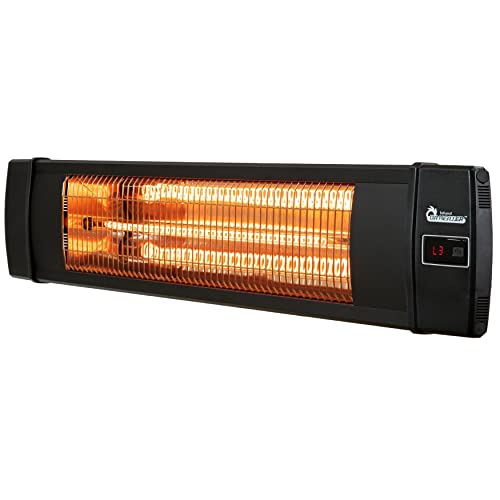
This DR. INFRARED HEATER model is IP55 rated for indoor and outdoor use, making it suitable for covered patios, open-air restaurants, and garages. It offers three power settings: 900W, 1200W, and 1500W, providing flexible heat output depending on your needs. The unit plugs into a standard 120V outlet and includes remote control for convenient operation.
Key advantages include instant, odorless infrared heating and a weather-resistant rating that supports placement in semi-exposed locations. The DR-238 is positioned as a versatile option for homeowners and light commercial settings where portability and plug-and-play setup are priorities.
SereneLife Infrared Patio Heater 1500W Standing With Remote

The SereneLife infrared heater delivers sun-like, odorless heat with three power settings and remote control. It is ETL-certified and features an IP24 rating, with an aluminum alloy frame and stainless steel base cover for corrosion resistance in typical outdoor environments.
Call 888-896-7031 for Free Local HVAC Quotes – Compare and Save Today!
Its heating element uses high-efficiency carbon fiber technology with an efficiency rating cited near 88%, aimed at reducing operating costs compared to gas alternatives. The unit is oriented toward users who want a quick, portable heat source without hardwiring, suitable for backyard patios and small commercial outdoor areas.
Dr. Infrared 10,260 BTU / 3000W Infrared Heater
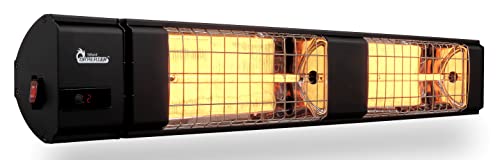
This high-output Dr. Infrared model provides 10,260 BTU (3000W) via carbon infrared heating elements and requires 220–240V supply. Designed for larger, semi-enclosed outdoor areas or commercial spaces, the unit supports ceiling or wall mounting and includes mounting hardware.
Features include a remote control, two power levels plus standby, and an IP55 weatherproof rating for outdoor suitability. Because it is hardwired compatible and offers substantial wattage, this model is aimed at users seeking higher coverage and sustained warmth for bigger patios or covered dining areas.
Paraheeter Electric Outdoor Infrared Heater With Tripod

Paraheeter offers a multi-function infrared heater that can be wall-mounted, ceiling-mounted, or used on an adjustable tripod. It includes safety features such as a metal grille, three-prong grounded plug, tip-over shutoff, and straightforward assembly guidance.
Call 888-896-7031 for Free Local HVAC Quotes – Compare and Save Today!
The unit uses carbon infrared heating which heats objects rather than air, improving effectiveness in breezy outdoor conditions. The manufacturer notes low operating cost relative to propane heaters and zero emissions or odor, making it a practical choice for patios and mobile use where flexibility is important.
PowerScale Infrared Heater 24H Timer, IP65 Wall Mount

The PowerScale heater is an ETL-certified wall-mounted unit with an IP65 waterproof and dustproof rating, offering 1500W of instant infrared heating and a fast warm-up time near 2.5 seconds. It includes a 24-hour timer, memory function, nine heat levels, and remote control for customized schedules and heat profiles.
Safety features include overheating protection and automatic shutoff for tip-over conditions. The combination of IP65 rating and multiple control options makes this heater suited to exposed patio areas and commercial operations where programmability and durability matter.
Buying Guide: Choosing The Right Infrared Patio Heater
Selecting an infrared patio heater depends on several practical factors. Below are the primary considerations to compare across products.
Coverage Area And Power
Match heater wattage to your space. For small, close-range outdoor seating, 900–1500W units can suffice. For larger or semi-enclosed areas, consider 2000–3000W or higher models. Manufacturer BTU or square-foot coverage estimates are helpful but account for wind and ceiling height when estimating actual warmth.
Mounting Style And Installation
Common mounting options include wall-mounted, ceiling-mounted, tripod/standing, and portable plug-in. Hardwired ceiling units typically deliver higher wattage and cleaner lines but require professional installation. Plug-in heaters offer portability and plug-and-play convenience for homeowners.
Weather Resistance And Ratings
Look for IP ratings: IP24 indicates basic splash resistance; IP55 or IP65 indicates greater protection from dust and jets of water. Choose a rating appropriate to how exposed your heater will be to rain, wind, and dust.
Heating Technology And Efficiency
Carbon infrared elements heat objects directly and feel like sunlight; they often have fast warm-up times and good efficiency. Compare efficiency claims and energy-saving features for long-term operating cost differences.
Controls And Features
Remote control, multiple heat levels, programmable timers, memory functions, and oscillation improve convenience and energy management. Decide which control features matter most for your usage patterns.
Safety Features
Essential safety features include overheat protection, tip-over shutoff for freestanding units, grounded plugs, and protective grille design. For commercial or public spaces, ETL or equivalent safety certifications are recommended.
Noise, Emissions, And Comfort
Infrared electric heaters provide silent, odorless operation and emit no combustion byproducts. For covered outdoor dining and enclosed patios, infrared units avoid air displacement and odor issues common with gas heaters.
Installation And Maintenance
Check mounting hardware, recommended mounting height, and whether hardwiring is required. Carbon and quartz elements usually require minimal maintenance, but periodic cleaning and inspection of mounts and electrical connections are advised.
Cost Of Operation
Estimate operating cost by combining wattage, average usage hours, and local electricity rates. Infrared heaters often run more efficiently than gas units for targeted heating, but high-wattage models will consume more power overall.
Comparison Perspectives
- Portability vs. Permanent Installation: Plug-in portable units prioritize flexibility; hardwired ceiling heaters maximize coverage and aesthetics.
- Residential vs. Commercial: Commercial spaces typically require higher IP ratings, larger outputs, and sometimes multiple units for even coverage.
- Energy Efficiency vs. Peak Output: Lower-wattage heaters can be efficient for close-range comfort; high-wattage models are better for broader heating demands.
- Safety vs. Convenience: Freestanding tripods offer convenience at the cost of tip-over risks; wall/ceiling mounts reduce those risks but require more installation effort.
Use the above factors to narrow choices: pick a well-rated IP class for your environment, match wattage to area size, confirm mounting style fits your space, and prioritize safety certifications and control features you’ll actually use.
Tips for Getting the Best HVAC Prices
- Prioritize Quality Over Cost
The most critical factor in any HVAC project is the quality of the installation. Don’t compromise on contractor expertise just to save money. - Check for Rebates
Always research current rebates and incentives — they can significantly reduce your overall cost. - Compare Multiple Quotes
Request at least three estimates before making your choice. You can click here to get three free quotes from local professionals. These quotes include available rebates and tax credits and automatically exclude unqualified contractors. - Negotiate Smartly
Once you've chosen a contractor, use the proven strategies from our guide — How Homeowners Can Negotiate with HVAC Dealers — to get the best possible final price.