
Choosing the right standing patio heater depends on power source, coverage, safety features, and weather resistance. Below is a quick overview of five top Amazon models included in this guide, followed by detailed reviews and a buying guide to help you compare electric infrared and gas patio heaters for decks, patios, and commercial outdoor areas.
| Model | Type | Key Feature | Use Case |
|---|---|---|---|
| SereneLife Infrared 1500W | Electric Infrared Standing | Remote, 3 Heat Levels, IP24 | Residential Patio / Deck |
| EAST OAK 1500W Infrared | Electric Infrared Standing | Gold-Coated Lamp, 24H Timer | Porch, Gazebo, Balcony |
| EAST OAK 50,000 BTU Sand Box | Propane Standing Heater | 50,000 BTU, Double-Layer Burner | Large Outdoor Areas / Commercial |
| Thermo Tiki Deluxe Propane | Propane Pyramid Standing | 38,000 BTU, Dancing Flame | Decorative Patio / Restaurants |
| Dr Infrared DR-338 | Electric Infrared Standing Tripod | IP55, Tripod, 3 Power Settings | Versatile Indoor/Outdoor Use |
Content Navigation
SereneLife 1500W Infrared Standing Heater

This SereneLife model is an electric infrared standing heater that delivers instant, odorless warmth without gas or propane. It offers three heat settings controlled by a remote, relying on high-efficiency carbon fiber elements at 1500 watts for direct infrared heat transfer.
Key listed features include instant warmth, an ETL-certified 1500W carbon fiber element, and an IP24-rated aluminum alloy frame with stainless steel base cover for outdoor durability. The manufacturer cites an 88% efficiency rating for reduced energy loss.
Safety and placement are suited to patios and decks that have access to electricity. The unit is described as weather-resistant and intended for both indoor and outdoor uses where an electric hookup is available. This model fits users prioritizing no-fuel, low-maintenance heating and remote operation.
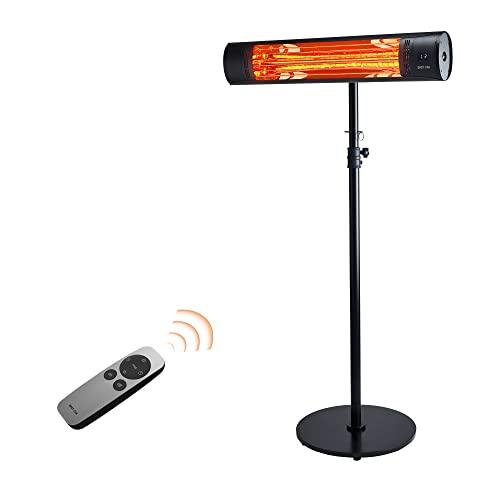
EAST OAK 1500W Infrared Patio Heater
Call 888-896-7031 for Free Local HVAC Quotes – Compare and Save Today!
The EAST OAK 1500W standing infrared heater emphasizes instant heat and a low-glare lamp design. It uses a patented ULG gold-coated heating lamp and infrared technology claimed to begin warming within one second of startup.
Notable features include 3 heat settings (1000W, 1200W, 1500W), a 24-hour timer with LED display, and low-glare 20-layer gold coating to soften output light while maintaining heat. The manufacturer indicates coverage up to roughly 64–97 square feet depending on conditions.
This unit is described as suitable for both indoor and outdoor spaces and includes tip-over and overheating protections. The adjustable heat levels and timer make it practical for spaces where controlled, quieter infrared warmth is preferred.
EAST OAK 50,000 BTU Sand Box Heater

This EAST OAK model is a standing propane patio heater with a reported 50,000 BTU output designed for larger outdoor areas or light commercial use. The heater uses a double-layer 304 stainless steel burner mesh and a conical barrel design for stability and wind resistance.
Manufacturer features include a weight-adjustable water tank to improve wind resistance, CSA and ETL certification, and claims of coverage up to a 20-foot diameter. The double-layer burner aims to extend durability and maintain consistent radiant heat.
Call 888-896-7031 for Free Local HVAC Quotes – Compare and Save Today!
Propane standing heaters like this are commonly used where electric power is unavailable or where higher radiant output is needed. Considerations include fuel logistics, ventilation, and adherence to local codes for open-flame appliances.
Thermo Tiki Deluxe Propane Pyramid Heater

The Thermo Tiki Deluxe is a stainless steel, pyramid-style propane floor-standing heater with an aesthetic dancing flame encased in ceramic glass. It’s described as commercial-grade with a robust build intended to resist rust and corrosion.
Product features include a true-rated output around 38,000 BTU, a protective mesh around the heating column, and built-in safety features such as a tilt shutoff valve and pilot light. Certifications and compliance with ANSI/CE/CSA standards are highlighted by the manufacturer.
This style serves both heating and ambiance functions for restaurants and high-visibility patios. As with other gas models, proper clearance, ventilation, and fuel management are necessary for safe operation.
Dr Infrared DR-338 Carbon Infrared Heater

The Dr Infrared DR-338 is a portable standing infrared heater with a tripod and IP55 rating for both indoor and outdoor use. It features adjustable height for flexible placement and three power settings (900W, 1200W, 1500W).
Manufacturers list the unit’s strengths as versatility: the aluminum tripod allows portability while wall-mounting hardware offers permanent installation. The IP55 rating indicates resistance to dust and water jets, making it suitable for many covered outdoor spaces.
Because it offers multiple power levels and mounting options, this model is useful for users seeking a versatile electric solution that balances portability and weather resistance.
Buying Guide: How To Choose A Standing Patio Heater
When comparing standing patio heaters, consider heat source, coverage, portability, safety features, durability, and installation. These elements affect performance, cost of ownership, and suitability for your space.
Heat Source: Electric Infrared vs. Propane
- Electric Infrared: Provides immediate, focused radiant heat without combustion byproducts. Best for covered patios with electrical access and where low maintenance and quieter operation are priorities.
- Propane/Gas: Offers higher BTU output for wider-area coverage, independent of electrical supply. Suited for large open-air spaces or commercial zones but requires fuel management and ventilation.
Coverage Area And BTU/Watts
Compare manufacturer coverage or BTU/watt ratings against your patio size. Higher BTU gas heaters cover wider areas; electric units list wattage and often specify effective coverage in square feet. Ambient temperature, wind, and seating layout influence real-world performance.
Weather Resistance And Ratings
Check IP ratings and construction materials. For uncovered outdoor use, look for units with IP55 or higher and corrosion-resistant metals. Lower ratings (IP24) may be acceptable for covered outdoor spaces.
Safety Features
- Tip-Over Switch: Shuts unit off if it falls, important for freestanding models.
- Overheat Protection: Prevents sustained overheating and potential damage.
- Protective Guards: Mesh or shields reduce contact with hot elements, useful around children and pets.
Controls And Convenience
Remote controls, timers, multiple heat settings, and adjustable heights improve usability. Consider whether you need portability (tripod, wheels) or a wall/ceiling mount for a permanent solution.
Maintenance And Lifespan
Electric heaters generally need less maintenance than gas units. For gas heaters, inspect burners, fuel lines, and protective grills regularly. Stainless steel and double-layer burner designs can extend service life.
Noise And Air Quality
Infrared electric heaters are typically quiet and do not stir air, reducing dust and allergens. Propane heaters produce combustion byproducts and some operating noise; ensure adequate ventilation and compliance with local codes.
Mobility And Installation
Evaluate how often you’ll move the heater. Tripod bases, wheels, and lighter materials increase portability. Hardwired or permanently mounted heaters are better for fixed installations but may require professional installation.
Comparison Perspectives
- Residential Patio Use: Electric infrared models are often preferred for ease of use, lower maintenance, and quieter operation.
- Large Or Commercial Areas: Propane/gas standing heaters provide higher output and wider coverage but require fuel handling and regulatory compliance.
- Ambiance vs. Pure Warmth: Pyramid-style propane heaters add visual appeal with visible flames; infrared units prioritize efficient, direct heat over flames.
Review manufacturer specifications, safety certifications, and site conditions before purchasing. Prioritize the combination of coverage, safety features, and weather resistance that matches your outdoor environment.
Tips for Getting the Best HVAC Prices
- Prioritize Quality Over Cost
The most critical factor in any HVAC project is the quality of the installation. Don’t compromise on contractor expertise just to save money. - Check for Rebates
Always research current rebates and incentives — they can significantly reduce your overall cost. - Compare Multiple Quotes
Request at least three estimates before making your choice. You can click here to get three free quotes from local professionals. These quotes include available rebates and tax credits and automatically exclude unqualified contractors. - Negotiate Smartly
Once you've chosen a contractor, use the proven strategies from our guide — How Homeowners Can Negotiate with HVAC Dealers — to get the best possible final price.