
Summary: This guide compares five wall and heater protection covers designed to improve safety, reduce heat damage, and protect walls and nearby surfaces. Below is a quick comparison of the selected products and their primary uses.
| Product | Primary Use | Key Feature |
|---|---|---|
| Birheatry Wall-Mounted Patio Heater Cover | Outdoor/indoor wall-hung heaters | 420D Oxford waterproof with drawstring base |
| NeatHeat 4ft Baseboard Heat Front Cover | Baseboard heater front protection | Easy snap-on installation for most baseboards |
| NeatHeat 6ft Baseboard Heat Front Cover | Longer baseboard heater protection | One-size-fits-most, cut-to-fit flexibility |
| NeatHeat Baseboard Heat Cover Right End Cap | Complements NeatHeat front covers | End cap for sealed appearance and safety |
| FIREWESS Heat Shield Mat | Heat shielding for wall, deck, and railing | Fiberglass with silicone coating, fireproof |
Content Navigation
Wall-Mounted Patio Heater Cover – Birheatry

Intended Use: Designed to fit many wall-mounted and stand-style patio heaters to protect them from weather, dust, and debris when not in use.
Materials And Construction: Constructed from 420D Oxford waterproof material with PVC coating. The material is described as wear-resistant and intended to reduce chemical smell. Reinforced with an upgraded double-sided drawstring at the bottom to secure the cover in wind-prone outdoor settings.
Size And Fit: Listed overall size is 36.5″ L x 9.5″ H x 6.5″ W and is intended to fit most standard stand or wall-mounted heaters. Manufacturer advises measuring the heater prior to purchase to ensure proper coverage.
Safety Relevance: The cover protects heater components from moisture and debris that could degrade electrical parts or insulation. Secure fastening reduces risk of the cover blowing onto heated elements while in storage, though it should not be used while the heater is active.
Call 888-896-7031 for Free Local HVAC Quotes – Compare and Save Today!
NeatHeat 4ft Baseboard Heat Front Cover

Intended Use: Front cover designed to fit over most baseboard heaters to provide a clean appearance and a protective barrier between hot surfaces and occupants.
Installation And Compatibility: Marketed as easy installation requiring no special tools. The product emphasizes a measuring guide to ensure correct fit and compatibility with multiple baseboard brands. Some trimming or minor adjustments may be required for custom fits.
Design And Safety Features: The front cover creates a physical barrier that reduces direct contact with hot fins and surfaces, lowering risk of burns and accidental damage. It can also help direct airflow and protect dust-sensitive components, though it must be installed according to manufacturer guidance to maintain proper heat dissipation.
NeatHeat 6ft Baseboard Heat Front Cover
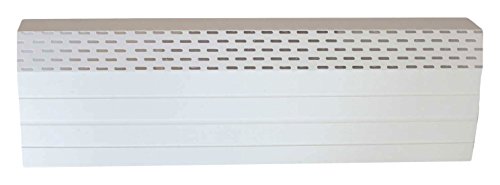
Intended Use: Similar to the 4ft version but sized for longer baseboard heaters. Intended for rooms requiring a continuous cover for baseboard units up to 6 feet in length.
Call 888-896-7031 for Free Local HVAC Quotes – Compare and Save Today!
Key Attributes: Promoted as easy to install, compatible with many common baseboard brands, and able to be cut with household tools for a customized fit. One-size-fits-most approach aims to simplify replacement and upgrades.
Safety Considerations: The cover offers a protective front that reduces direct surface exposure and helps prevent accidental contact. Proper installation is essential to avoid blocking required ventilation spaces or altering heat output characteristics.
NeatHeat Baseboard Heat Cover Right End Cap

Intended Use: Right end cap designed for use with NeatHeat front covers to provide a finished edge and reduce exposed heater ends.
Installation And Fit: Installed as an accessory to complement NeatHeat front covers. The manufacturer specifies that it should not be used with tall baseboard covers and advises consulting the measuring guide for compatibility.
Safety Role: The end cap seals the open end of a front cover, reducing the chance of exposed hot metal ends that could cause burns or snag clothing. It also helps maintain a tidy, secure installation that prevents debris entry at the ends of the cover.
FIREWESS Heat Shield Behind Grill And Wall Mat

Intended Use: Heavy-duty heat shield mat to protect walls, decks, railings, and nearby surfaces from high temperatures, embers, and sparks produced by grills or heat sources.
Materials And Performance: Constructed from fiberglass with silicone coating on both sides for high temperature resistance. It is promoted as waterproof, oilproof, and easy to clean, suitable for placement behind a grill or under heat-generating appliances to prevent heat damage.
Safety Application: Functions as an insulating barrier that reduces radiant heat transfer to combustible materials such as wood siding or deck railings. It also helps block embers and sparks from contacting vulnerable surfaces. Proper mounting and clearance from the heat source should be followed to ensure the mat performs as intended.
Buying Guide: How To Choose A Wall Heater Cover For Safety
Measure Carefully: Record the exact height, width, and depth of the heater or the affected surface area. For baseboard covers and end caps, measure the length and the distance from the wall to the outermost heater element. A correct fit ensures coverage without interfering with airflow.
Material And Heat Resistance: Select materials rated for the maximum temperatures expected in your application. For outdoor heater covers, look for waterproof, UV-resistant fabrics. For heat shields near grills and high-heat sources, choose fiberglass or metal-backed materials with high temperature ratings.
Ventilation And Heat Dissipation: Any cover intended to remain in place while the heater operates must allow sufficient airflow. Front covers and shields should not block ventilation slots or force heat into unintended areas. Review manufacturer guidance for minimum clearances.
Secure Fastening: Wind and movement can displace covers. Look for features like reinforced drawstrings, straps, or fasteners that hold the cover in place without contacting hot elements. For outdoor covers, reinforced hems and tie-downs reduce blow-off risk.
Fire And Safety Certifications: When available, prefer products with relevant fire ratings or material specifications (e.g., silicone-coated fiberglass for heat shields). UL listings or stated flammability ratings provide additional confidence about material behavior under elevated temperatures.
Compatibility And Modularity: Check whether the cover is intended for your specific heater brand or is a universal fit. Modular solutions such as front covers plus end caps allow tailored installations and cleaner finishes.
Installation Ease And Tools Required: Determine whether the product requires professional installation or simple homeowner tools. Snap-on covers and press-fit end caps typically require minimal tools, while anchors or wall-mounted shields might need drills and fasteners.
Environmental Exposure: For outdoor heaters, choose covers built to resist rain, snow, UV, and temperature swings. For indoor covers, prioritize dust and pet-hair resistance, along with non-toxic materials that won’t off-gas in enclosed spaces.
Maintenance And Cleaning: Consider how easy the cover is to clean. Removable, washable fabrics or wipeable silicone-coated shields simplify upkeep and extend usable life. Heat shields that hose off can be advantageous near grill areas.
Placement And Clearance Considerations: Maintain manufacturer-recommended clearances to combustible materials. Heat shields can reduce required clearances but should be installed according to product guidance to avoid localized overheating or trapping of heat signatures.
Multi-Perspective Comparison:
- Protection From Weather vs. Active Use: Fabric covers (like the Birheatry) are best for storage protection and shielding from weather; they should not be used while the heater is operating. Heat shields (like FIREWESS) are designed to remain near active heat sources and protect combustibles.
- Cosmetic vs. Functional: Baseboard front covers (NeatHeat) provide a cosmetic upgrade plus an additional barrier to accidental contact. End caps complete the installation and reduce exposed edges, improving both appearance and safety.
- Portable vs. Permanent Solutions: Covers and mats that can be repositioned are useful for rental properties or seasonal use. Hard or permanently mounted shields require more planning but deliver continuous protection.
Final Safety Notes: Never place a cover over a heater while it is operating unless the product is explicitly designed for use during operation. Regularly inspect covers and shields for wear, heat damage, or compromised fasteners, and replace accessories that show signs of degradation.
Tips for Getting the Best HVAC Prices
- Prioritize Quality Over Cost
The most critical factor in any HVAC project is the quality of the installation. Don’t compromise on contractor expertise just to save money. - Check for Rebates
Always research current rebates and incentives — they can significantly reduce your overall cost. - Compare Multiple Quotes
Request at least three estimates before making your choice. You can click here to get three free quotes from local professionals. These quotes include available rebates and tax credits and automatically exclude unqualified contractors. - Negotiate Smartly
Once you've chosen a contractor, use the proven strategies from our guide — How Homeowners Can Negotiate with HVAC Dealers — to get the best possible final price.