
Choosing a LiFePO4 battery with an integrated heater or low-temperature charging protection ensures reliable charging and longer battery life in cold climates. Below is a concise comparison table of five self-heating LiFePO4 batteries selected for their built-in heating features, BMS protection, and monitoring options.
| Product | Capacity / Type | Heating Feature | Monitoring / BMS |
|---|---|---|---|
| VATRER POWER 12V 300Ah | 300Ah / 12V | Automatic Self-Heating Activated At Low Temp | 200A BMS, Bluetooth |
| LiTime 12V 100Ah Group 24 | 100Ah / 12V | Two Heating Modes (Regular / Energy Efficient) | 100A BMS, Bluetooth |
| TEMGO 12V 100Ah Group 24 | 100Ah / 12V | Automatic Self-Heating Below 32°F | 100A BMS, Touch Display, App |
| SOK 12V 206Ah | 206Ah / 12V | Built-In Heater, Low-Temp Charging To -4°F | Smart BMS, Bluetooth |
| Power Queen 12.8V 100Ah | 100Ah / 12.8V | 100W Heated Pad, Variable Heating Durations | 100A BMS, Auto-Heating |
Content Navigation
- VATRER POWER 12V 300Ah Bluetooth Self-Heating Battery
- LiTime 12V 100Ah Group 24 Bluetooth Heating Battery
- TEMGO 12V 100Ah Group 24 Self-Heating Battery With Smart Display
- SOK 12V 206Ah LiFePO4 Battery With Built-In Heater
- Power Queen 12.8V 100Ah Auto-Heating LiFePO4 Battery
- Buying Guide: How To Choose A LiFePO4 Battery With Heater
VATRER POWER 12V 300Ah Bluetooth Self-Heating Battery

The VATRER POWER 12V 300Ah combines a high-capacity LiFePO4 pack with an automatic self-heating function controlled by the BMS. Heating activates when connected to a charger in cold conditions (below -4°F to 41°F threshold mentioned) and stops once the battery reaches the target temperature for safe charging.
Key technical highlights include Automotive Grade cells, an upgraded 200A BMS with heating pad integration, Bluetooth monitoring, and a rated life of 5000+ cycles. The built-in protections listed include overcharge, over-discharge, over-current, and short circuit safeguards.
For systems requiring high capacity and low-temp charging reliability—such as larger RV setups or off-grid systems—this model offers a robust option with integrated heating and a high-current BMS suitable for heavier loads.
LiTime 12V 100Ah Group 24 Bluetooth Heating Battery
Call 888-896-7031 for Free Local HVAC Quotes – Compare and Save Today!
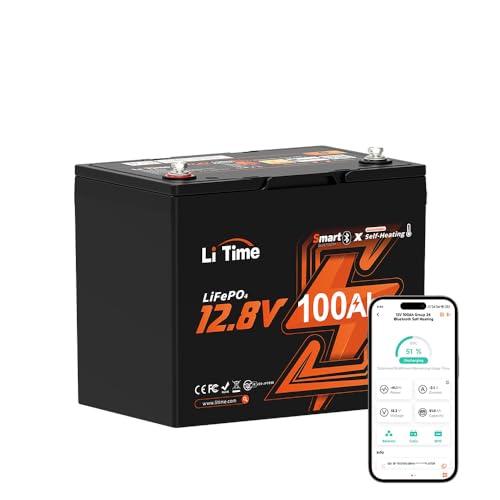
The LiTime 12V 100Ah Group 24 is a compact, lightweight LiFePO4 option with two heating modes: Regular and Energy Efficient. In Regular mode heating begins when temperature drops below 41°F and stops at 50°F, then charging proceeds.
It includes a 100A intelligent BMS with Bluetooth 5.0 for app monitoring and configuration. The BMS provides low-temperature cut-off, overcharge, over-discharge and short-circuit protection, while the two heating modes help balance energy consumption and cold-weather charging safety.
This battery is targeted at users converting from lead-acid, or needing a smaller, lighter battery with controlled heating behavior for trolling motors, small RV circuits, or solar applications where weight and space matter.
TEMGO 12V 100Ah Group 24 Self-Heating Battery With Smart Display

TEMGO’s Group 24 12V 100Ah battery emphasizes user monitoring with a touchscreen display and Bluetooth app. The battery features an automatic self-heating function activated below 32°F, stopping heating at 41°F to enable safe charging.
Specifications include a 100A BMS, 1280Wh energy, a lightweight 23.14 lb construction, and long cycle life claims of 5000+ cycles. The integrated touchscreen and app provide real-time status, making diagnostics and mode changes accessible without additional hardware.
Call 888-896-7031 for Free Local HVAC Quotes – Compare and Save Today!
Users who value on-device feedback and smartphone monitoring along with reliable low-temperature charging will find this battery designed for convenient oversight of heating, charge state, and runtime predictions.
SOK 12V 206Ah LiFePO4 Battery With Built-In Heater
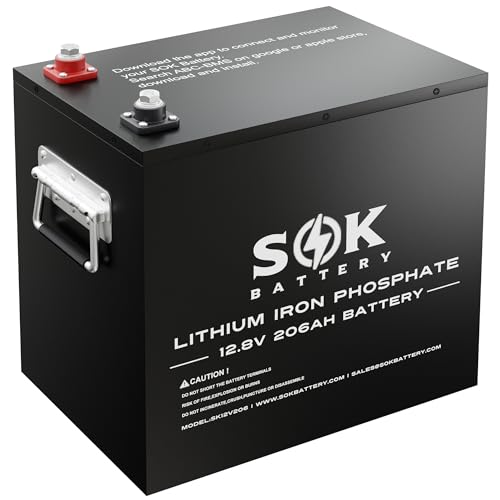
The SOK 12V 206Ah is a high-capacity option offering a built-in heater that supports charging at -4°F (-20°C). It includes a smart BMS with low-temperature charging cut-off, high-temperature protections, overcurrent, and short-circuit safeguards.
Cycle life is listed between 4000–8000 cycles, and the pack supports parallel and series configurations within specified limits for system expansion. Bluetooth monitoring and cell balancing are noted as part of the protection suite.
Select this battery when larger usable capacity is required and low-temperature charging capability is essential, especially in applications where parallel expansion or longer runtime is a priority.
Power Queen 12.8V 100Ah Auto-Heating LiFePO4 Battery

Power Queen’s 12.8V 100Ah model features a 100W heated lithium pad and claims variable heating durations to match ambient temperature ranges, optimizing heating efficiency from 30 to 100 minutes depending on conditions.
The battery uses EV-grade LiFePO4 cells and an onboard 100A BMS to protect against overcharge, over-discharge, over-current and temperature issues. Cycle life is highlighted as 4000+ cycles at full depth of discharge.
This design is practical where rapid warm-up and predictable heating durations are required, such as portable installations in cold climates or situations with intermittent charging availability.
Buying Guide: How To Choose A LiFePO4 Battery With Heater
When selecting a heated LiFePO4 battery, weigh the following technical and application-specific factors to match product capabilities to your needs.
Heating Type And Activation
- Automatic Self-Heating: Activates when connected to a charger and the battery temperature is below a threshold. Good for systems that are charged regularly.
- Heated Pad / Internal Heater: May offer more aggressive or faster warm-up. Check stated wattage and expected warm-up times.
- Two-Mode Or Adjustable Heating: Energy-efficient modes reduce heating energy draw while still enabling safe charging.
Low-Temperature Charging Thresholds
- Look for explicit cold-charge ratings (e.g., charge allowed down to -4°F or -20°C) and the ambient temperature range where heating stops and charging begins.
- Consider your typical lowest ambient temperature and whether you can connect the battery to a charger regularly to trigger heating.
BMS Capability And Protections
- Current Rating (A): Higher BMS amp ratings (100A, 200A) matter for heavy loads or inverters; ensure BMS continuous and peak ratings suit your load.
- Protections: Overcharge, over-discharge, over-current, short-circuit, temperature cutoffs, and cell balancing are essential for safety and longevity.
Monitoring And User Control
- Bluetooth And Apps: Allow monitoring of SOC, temperature, and heating status. Useful for remote diagnostics.
- On-Device Displays: Touch screens or LED indicators provide local status without needing a phone.
Capacity, Weight, And Size
- Match capacity (Ah) to expected load and runtime. Higher capacity reduces depth-of-discharge for the same runtime and can improve lifespan.
- Group size (Group 24, Group 31, GC2) and weight matter for drop-in replacements and physical fit in battery compartments.
Cycle Life And Cell Quality
- Look for rated cycles at a stated depth of discharge (DOD). LiFePO4 often ranges from several thousand cycles; higher-rated cycles indicate longer service life.
- Automotive-grade or EV-grade cells and UL test references indicate manufacturing quality and safety focus.
System Integration And Expandability
- Check whether batteries support series and parallel connections and any restrictions (e.g., max batteries in series). Consider balancing needs in multi-battery banks.
- For solar or off-grid systems verify compatibility with chargers, MPPT controllers, and inverter input limits.
Performance In Real-World Scenarios
- Frequent Charging Available: Automatic self-heating that activates on charger connection works well if you can regularly charge the battery during cold snaps.
- Intermittent Charging: Batteries with higher wattage heaters or variable duration heating provide faster readiness if charging windows are limited.
- Remote Installations: Bluetooth monitoring and app alerts assist in diagnosing heater activation and charger interactions without site visits.
Comparison Perspectives
- High-Capacity Needs: For prolonged off-grid use, 200–300Ah packs with integrated heating (e.g., 300Ah options) reduce reliance on parallel banks but require space and handling considerations.
- Weight/Space Constraints: Group 24 and 31 form factors deliver compactness for RVs and marine use while still offering heating features.
- Energy Efficiency: Batteries with energy-efficient heating modes or programmable heating durations minimize parasitic heating loads when solar/AC charging is limited.
- Monitoring Focus: If remote visibility is important, prefer batteries with robust Bluetooth apps and on-device displays to track both heating and SOC.
Carefully match heating type, BMS ratings, capacity, and monitoring features to your operating environment and charging habits to ensure effective cold-weather operation and long-term reliability.
Tips for Getting the Best HVAC Prices
- Prioritize Quality Over Cost
The most critical factor in any HVAC project is the quality of the installation. Don’t compromise on contractor expertise just to save money. - Check for Rebates
Always research current rebates and incentives — they can significantly reduce your overall cost. - Compare Multiple Quotes
Request at least three estimates before making your choice. You can click here to get three free quotes from local professionals. These quotes include available rebates and tax credits and automatically exclude unqualified contractors. - Negotiate Smartly
Once you've chosen a contractor, use the proven strategies from our guide — How Homeowners Can Negotiate with HVAC Dealers — to get the best possible final price.