
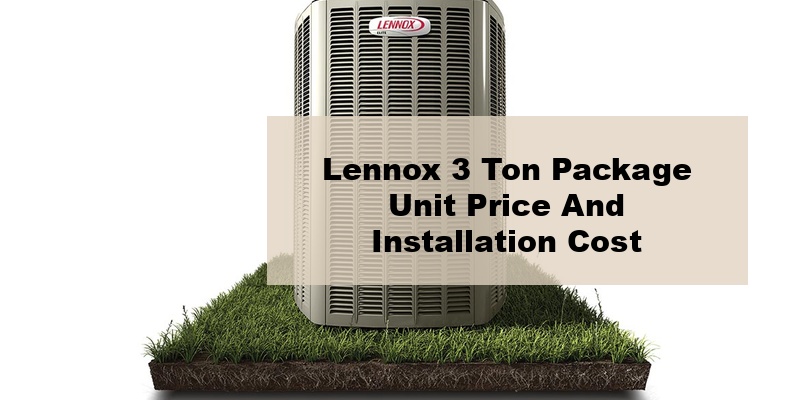
Understanding the price and installation cost for a Lennox 3 ton package unit helps homeowners plan a reliable cooling and heating solution without surprises. A Lennox 3-ton packaged system combines heating and cooling in one outdoor cabinet, offering space savings and simplicity in installation. Prices vary by model, efficiency, and whether the unit is gas-electric or a heat pump package. This article breaks down typical costs, factors that influence price, and practical tips to optimize outlays while maximizing efficiency and comfort.
Content Navigation
What Is a Lennox 3 Ton Package Unit?
A Lennox 3 ton package unit is a single, self-contained HVAC system that provides both heating and cooling from a compact outdoor cabinet. In gas-electric configurations, a built-in furnace works with an air conditioner; in heat pump packages, the system delivers both cooling and heating using refrigerant cycles. Package units are popular in homes with limited indoor space or where a simplified installation is desirable. They often simplify service and maintenance because all major components are in one location, with ductwork connecting to the home interior.
Choosing a Lennox 3 ton package unit typically centers on efficiency, climate, and comfort needs. Higher SEER (seasonal energy efficiency ratio) and HSPF (heating performance factor) ratings generally raise upfront costs but reduce long-term energy bills. Lennox offers several lines and efficiencies, so a buyer can balance upfront price with ongoing operating costs, rebates, and warranty coverage.
Typical Price Range For The Unit Itself
Prices for a Lennox 3-ton packaged unit vary based on type, efficiency, and features. The figures below reflect common retail ranges before installation, though actual quotes may differ by region and contractor. Budget-conscious buyers should expect entry-level packages to start higher than a standalone AC or furnace, since the unit includes both heating and cooling in one cabinet.
- Gas-Electric Package (3 Ton): Approximately $3,000 to $5,500 for the unit itself, depending on efficiency and model year.
- Heat Pump Package (3 Ton): Approximately $4,500 to $7,500 for the unit, with higher-end models pushing toward the upper end for advanced controls or refrigerant options.
- High-Efficiency/Luxury Packages: $5,500 to $9,000 or more for the unit, reflecting premium efficiency ratings, variable-speed operation, and advanced diagnostics.
Note that these figures are for the equipment alone. Installation, ductwork, electrical upgrades, and permits add to the total cost. When planning, homeowners should consider the entire installed price rather than the unit price alone.
Installation Cost And What It Covers
Installation costs for a Lennox 3-ton package unit typically include labor, removal of an old unit, refrigerant charging, ductwork checks or modifications, electrical work, permits, disposal, and startup of the new system. Rates vary by region, contractor experience, and whether a home requires duct sealing or trenching for line sets. On average, installation costs can range from $2,500 to $6,000, though more complex installs may exceed this range.
Call 888-896-7031 for Free Local HVAC Quotes – Compare and Save Today!
A breakdown helps homeowners understand where the money goes: labor, equipment hookup, new refrigerant lines, electrical panel and wiring upgrades, condensate drainage setup, and thermostat integration. If extensive ductwork is needed or existing ducts require sealing or redesign, the price will be toward the higher end of the range. For homes with unique access or long service lines, costs can climb further.
Combining unit price with installation costs yields a typical total installed cost for a Lennox 3-ton package unit in the range of about $6,000 to $13,000. Homes in milder climates or with straightforward ductwork may land closer to the lower end, while homes requiring significant electrical work, duct modifications, or high-efficiency systems land toward the upper end.
Regional Variations And How To Compare Quotes
Labor rates, permit requirements, and climate can cause regional differences in installed costs. Homeowners should obtain multiple written estimates from licensed HVAC contractors to compare line items, timelines, and warranty terms. When evaluating quotes, consider:
- Scope of work: Are duct inspections, sealing, and potential upgrades included?
- System type: Gas-electric vs heat pump, and the applicable SEER/HSPF ratings.
- Warranty: What coverage is included for compressors, elements, and labor?
- Permits and disposal: Are permits and old unit removal fees included?
- Financing or rebates: Availability of manufacturer rebates, local incentives, or federal tax credits for high-efficiency equipment.
Regional climate influences expected efficiency and, consequently, life-cycle costs. In areas with hot summers or cold winters, selecting a higher-efficiency model can yield meaningful savings over time, offsetting the higher upfront price.
Cost-Saving Tips, Rebates, And Financing Options
Smart planning can reduce the overall expenditure for a Lennox 3-ton package unit. Consider these approaches to lower upfront costs or increase long-term savings.
- Shop Around And Compare Quotes: Get at least three detailed quotes, ensuring each includes the same scope of work for an apples-to-apples comparison.
- Look For Rebates: Check regional rebates, utility company incentives, and Lennox manufacturer promotions. Some deals apply to high-efficiency models or heat pump packages.
- Federal And Local Incentives: Explore energy-efficiency tax credits or local incentives for qualifying units. Tax credits can reduce net outlays significantly when filing annual returns.
- Improve Ductwork Efficiency: Sealing, insulating, and cleaning ducts can improve system performance and reduce energy consumption, sometimes lowering operational costs enough to justify a mid-range model.
- Optimal Sizing And Professional Startup: Proper system sizing by a qualified contractor prevents oversizing or undersizing, which affects comfort and energy use. Ensure a thorough startup and refrigerant charge check.
- Warranty Registration: Register the unit to maximize warranty coverage and ensure access to factory support if needed.
What To Expect From The Installation Process
From initial assessment to commissioning, a Lennox 3-ton package unit installation follows a structured sequence. This helps ensure performance targets and system reliability.
Call 888-896-7031 for Free Local HVAC Quotes – Compare and Save Today!
- Pre-Install Assessment: A technician confirms load calculations, ductwork condition, electrical capacity, and neighborhood permitting requirements.
- Removal And Prep: The old unit is removed, and the area is prepared for the new package unit, including duct cleaning and any required repairs.
- Equipment Placement And Connection: The Lennox unit is positioned, vents and condensate lines are connected, and refrigerant lines are run to the indoor components if applicable.
- Electrical And Controls: Electrical service is connected, fuses or breakers updated if needed, and thermostat compatibility is checked.
- Startup And Testing: The system is charged with refrigerant, airflow is balanced, and efficiency checks are performed. A test run confirms reliable operation in heating and cooling modes.
- Documentation And Handover: The contractor reviews operation, maintenance requirements, warranty terms, and provides manuals and contact information for future support.
Additional Considerations And Final Thoughts
Choosing a Lennox 3-ton package unit involves balancing upfront costs with ongoing energy expenses, climate demands, and available incentives. While the total installed cost can vary widely, understanding the breakdown—from unit price to installation and potential rebates—enables informed decisions. Homeowners should focus on selecting a model that offers the best combination of efficiency, reliability, and warranty coverage for their specific home and climate. Proactive maintenance after installation helps preserve performance and extend the system’s lifespan.
Tips for Getting the Best HVAC Prices
- Prioritize Quality Over Cost
The most critical factor in any HVAC project is the quality of the installation. Don’t compromise on contractor expertise just to save money. - Check for Rebates
Always research current rebates and incentives — they can significantly reduce your overall cost. - Compare Multiple Quotes
Request at least three estimates before making your choice. You can click here to get three free quotes from local professionals. These quotes include available rebates and tax credits and automatically exclude unqualified contractors. - Negotiate Smartly
Once you've chosen a contractor, use the proven strategies from our guide — How Homeowners Can Negotiate with HVAC Dealers — to get the best possible final price.