
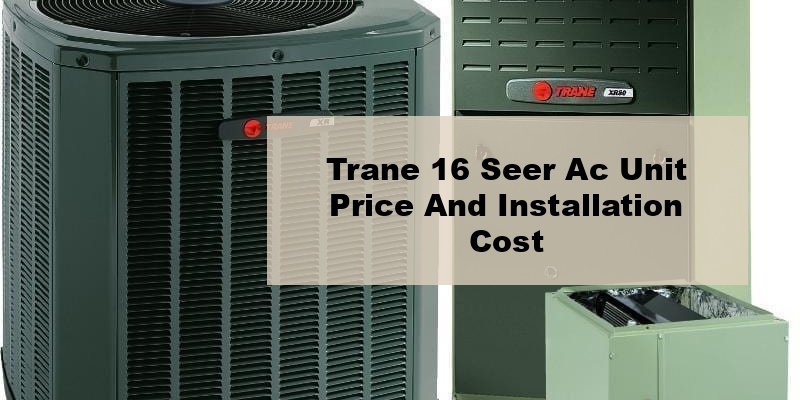
The cost of a Trane 16 Seer AC unit and its installation is a common consideration for homeowners seeking reliable cooling without overpaying. This guide breaks down typical price ranges for the unit itself, installation costs, and factors that influence the total. It also covers how to compare quotes, what to expect during installation, and ways to maximize long-term savings with a 16 Seer system. By understanding current market trends and regional variations, readers can budget accurately and make informed decisions about their Trane upgrade or replacement.
Content Navigation
- Understanding Trane 16 Seer Models
- Pricing: What You’ll Pay For The Unit
- Installation Cost: Labor And Additional Work
- Cost Factors That Affect Price
- Regional Variations And Permitting
- Choosing A Contractor And Getting Quotes
- Maintenance And Warranties
- Energy Savings And Payback
- Financing, Rebates, And Incentives
- What To Expect In The Installation Process
- Key Takeaways
Understanding Trane 16 Seer Models
Seer, or Seasonal Energy Efficiency Ratio, measures how efficiently an air conditioning system removes heat. A 16 Seer Trane model represents mid-to-upper mid-range efficiency, balancing energy savings with upfront cost. Common 16 Seer models from Trane include the XB16 and the XR16 series, though exact features vary by model and install kit. These units are designed for typical residential cooling loads in many parts of the United States and pair with compatible indoor coils for a complete system.
Key considerations when evaluating a Trane 16 Seer AC unit include noise levels, compressor technology, and compatibility with smart thermostats and zoning options. Higher SEER usually means higher upfront price but lower operating costs over time. For homes with high cooling demand or hot climates, a 16 Seer system can offer meaningful energy savings without the complexity of higher-seer models.
Pricing: What You’ll Pay For The Unit
Prices for a Trane 16 Seer air conditioner unit (the outdoor condenser) vary with size, capacity, and model features. The figures below reflect typical list prices before installation and do not include ductwork, coils, or labor. Actual prices may vary by retailer, region, and any current promotions.
| Model / Capacity | Approx Unit Price (Before Installation) |
|---|---|
| 1.5–2 ton (small homes) | $2,500–$3,500 |
| 2.5–3 ton (mid-size homes) | $3,000–$4,500 |
| 4–5 ton (larger homes) | $3,800–$5,500 |
Note: These ranges refer to the outdoor unit price alone. A complete system often includes the outdoor unit, indoor coil, thermostat, and necessary accessories, which increases the unit cost but reduces the risk of compatibility issues during installation.
Installation Cost: Labor And Additional Work
Installing a Trane 16 Seer AC system involves more than the price of the unit. Labor, duct modifications, and any electrical work can significantly affect total costs. Typical installed prices for a 16 Seer system often fall in the range of $5,000 to $9,500, depending on the complexity of the job and your location.
Call 888-896-7031 for Free Local HVAC Quotes – Compare and Save Today!
- Equipment and labor split: Equipment typically accounts for a substantial portion of the installed price, with labor comprising the next largest share.
- Ductwork and air distribution: Homes with existing, well-sealed ducts usually incur lower additional costs; homes requiring duct modifications or additions will see higher charges.
- Permits and electrical work: Some jurisdictions require permits and potential electrical upgrades, which add to the total.
- Thermostats and zoning: Adding a smart thermostat or zone control can add $100–$800 or more to the project.
When comparing quotes, ask for a clear breakdown: equipment cost, labor, ductwork changes, permits, refrigerant line set charges, and any disposal or sidewalk-access fees. A transparent proposal helps prevent surprises at the end of the project.
Cost Factors That Affect Price
A precise Manual J load calculation ensures the unit matches the home’s cooling needs, which influences capacity and price. Poor or undersized ducts can necessitate upgrades, adding to the cost. Regions with extreme heat or humidity often see longer install times and higher labor costs. Longer line sets or exotic refrigerants can raise material costs. Extended warranties or maintenance plans add upfront costs but offer long-term protection. Some incentives reduce net cost; eligibility depends on equipment efficiency and local programs.
Regional Variations And Permitting
Prices can vary significantly by region due to labor rates, permitting requirements, and accessibility. The South and Southwest often experience higher demand for air conditioning, which can influence installation quotes. In denser urban areas, permit fees and staging challenges may add to the total. Conversely, some rural areas may have lower labor costs but longer travel times for technicians. Typical installation timelines range from 1 to 3 days, depending on ductwork and access to the home.
Utility rebates and local incentives also differ by state and utility provider. Homeowners should check with local programs and the reseller or contractor about available rebates that can reduce the overall cost of a Trane 16 Seer upgrade.
Choosing A Contractor And Getting Quotes
Selecting a qualified HVAC contractor is essential for optimal performance and warranty validity. Steps to obtain accurate quotes include:
- Request in-home assessments and written, itemized proposals from at least two or three contractors.
- Ensure each proposal includes a detailed load calculation (Manual J), ductwork assessment, equipment model, and a clear installation plan.
- Ask about warranty terms for the outdoor unit, indoor coil, and labor; confirm what is covered and for how long.
- Check credentials, licenses, insurance, and recent customer reviews; verify local references.
- Discuss financing options and any available rebates or tax incentives.
Maintenance And Warranties
Most Trane 16 Seer units come with a baseline parts warranty, commonly around 5–10 years for compressor and parts, depending on model and registration. Labor warranties vary by contractor and may be included in a maintenance plan. Regular professional maintenance—usually twice a year for heating and cooling—helps preserve efficiency and can extend the life of the system. Ask about factory warranties, extended service plans, and what maintenance tasks (filter changes, coil cleaning, refrigerant checks) are covered.
Energy Savings And Payback
A 16 Seer Trane system generally offers noticeable energy savings over older, lower-SEER equipment. Savings depend on climate, usage patterns, and the home’s insulation. In hot climates, a 16 Seer model may reduce cooling energy use by roughly 5% to 15% compared with older 13 Seer systems, with greater savings in high-demand periods. The payback period—from higher efficiency alone—often ranges from 4 to 10 years, depending on energy costs and installed price. Long-term savings accrue primarily through lower monthly utility bills and fewer temperature-related energy swings.
Call 888-896-7031 for Free Local HVAC Quotes – Compare and Save Today!
Financing, Rebates, And Incentives
Financing can make a Trane 16 Seer installation more affordable by spreading costs over time. Many utility companies offer rebates for high-efficiency equipment, and manufacturers or retailers may have promotional financing options. The federal energy efficiency incentives landscape has evolved, especially under the Inflation Reduction Act, so prospective buyers should verify current credits and eligibility with the IRS, state programs, and local utilities. Always request documentation of any rebates or credits in quotes and final invoices.
What To Expect In The Installation Process
A typical installation proceeds in several stages designed to ensure safety and performance. First, a technician conducts a thorough site evaluation and load calculation. Next, the old unit is removed, the new outdoor condenser is set in place, and refrigerant lines are connected to the indoor coil. Electrical connections are secured, a proper condensate drain is installed, and the system is charged with refrigerant. Finally, the unit is tested for proper operation, airflow is balanced, and the area is cleaned. Expect a final walkthrough to verify thermostat setup and warranty documentation.
Tips for Getting the Best HVAC Prices
- Prioritize Quality Over Cost
The most critical factor in any HVAC project is the quality of the installation. Don’t compromise on contractor expertise just to save money. - Check for Rebates
Always research current rebates and incentives — they can significantly reduce your overall cost. - Compare Multiple Quotes
Request at least three estimates before making your choice. You can click here to get three free quotes from local professionals. These quotes include available rebates and tax credits and automatically exclude unqualified contractors. - Negotiate Smartly
Once you've chosen a contractor, use the proven strategies from our guide — How Homeowners Can Negotiate with HVAC Dealers — to get the best possible final price.
Key Takeaways
- Unit price varies by size: Smaller 16 Seer units cost less upfront than larger ones, but all require matching the home’s cooling load.
- Installation drives total cost: Ductwork, permits, and electrical work can substantially influence final prices.
- Shop for transparency: Seek written proposals with a clear cost breakdown and verified warranties.
- Factor in incentives: Rebates and tax credits can reduce net cost, depending on location and eligibility.