
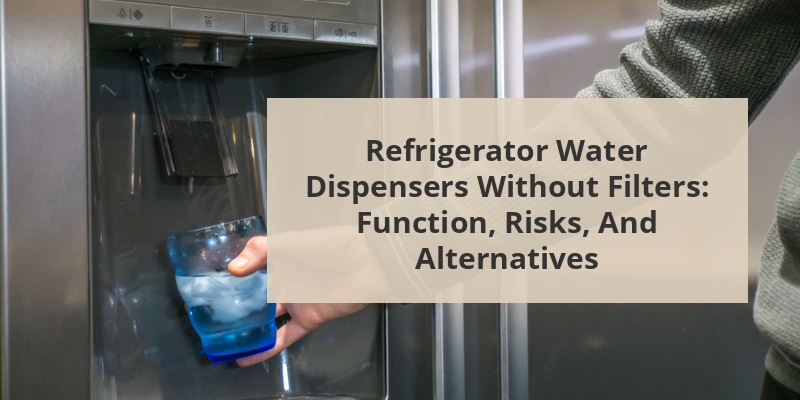
Refrigerator water dispensers are a convenient feature in modern kitchens, but many homeowners wonder if these systems can function without a filter installed. This is a relevant concern when filters need replacement, which can be costly or temporarily unavailable. The answer is that most refrigerator water dispensers will continue to work without a filter, though with important considerations regarding water quality and appliance performance. Understanding how these systems operate without filtration can help you make informed decisions about your refrigerator maintenance and water consumption habits.
Refrigerator water systems are designed with a specific flow path. Water enters the refrigerator through a supply line, passes through the water filter, and then travels to both the dispenser and ice maker. The filter’s primary purpose is to remove contaminants like chlorine, lead, mercury, and certain bacteria before the water is dispensed or frozen into ice.
The filtration component is typically positioned in an accessible location – either in the upper right corner of the refrigerator interior, in the base grille, or in the back of the unit. This design allows water to flow through under pressure while capturing impurities in the filter media, which usually consists of activated carbon and other filtering materials.
Content Navigation
- Can You Use a Refrigerator Water Dispenser Without a Filter?
- Effects of Running a Fridge Water Dispenser Without a Filter
- Methods to Operate a Fridge Without a Water Filter
- Potential Risks of Dispensing Water Without a Filter
- Refrigerator Models and Their Filter Requirements
- Alternative Solutions for Filtered Water
- When to Replace Your Refrigerator Water Filter
Can You Use a Refrigerator Water Dispenser Without a Filter?
Yes, most refrigerator models will dispense water without a filter installed, but the functionality depends on your specific refrigerator model and manufacturer design. Modern refrigerators are typically engineered to allow water flow even when the filter is absent or expired. However, some newer high-end models may have programming that restricts water dispensing without a properly installed filter as a safety feature.
Many refrigerators include a filter bypass plug (sometimes called a dummy filter) that can be installed in place of the actual filter. This component maintains the water flow path without providing filtration, allowing the dispenser to function normally.
Effects of Running a Fridge Water Dispenser Without a Filter
When operating your refrigerator water dispenser without a filter, several notable changes may occur:
Call 888-896-7031 for Free Local HVAC Quotes – Compare and Save Today!
- Water quality issues – Unfiltered water may contain chlorine, sediments, and other contaminants from your municipal water supply
- Altered taste and odor – The absence of carbon filtration often results in noticeable chlorine taste and smell
- Potential for sediment buildup – Without filtration, mineral deposits and sediments can accumulate in your refrigerator’s water lines and valves
- Reduced flow rate – Some users report improved water flow without filters, though this depends on water pressure and system design
The water quality without filtration will essentially match that of your home’s tap water. If you live in an area with high-quality municipal water, the difference may be minimal. However, in regions with hard water or specific contaminant concerns, the effects will be more pronounced.
Methods to Operate a Fridge Without a Water Filter
Using a Filter Bypass Plug
The recommended method for operating your refrigerator water dispenser without a filter is using a manufacturer-approved bypass plug. This specially designed component:
- Maintains proper water flow through the refrigerator system
- Prevents leaks that might occur if the filter housing remains empty
- Preserves the integrity of the water system design
Bypass plugs are typically inexpensive (around $5-15) compared to replacement filters ($30-50) and can be purchased from appliance parts retailers or directly from the manufacturer. They’re designed specifically for your refrigerator model to ensure proper fit and function.
Filter Housing Modification
Some users opt to keep an expired filter in place instead of purchasing a bypass plug. This approach isn’t recommended by manufacturers as an expired filter can become a breeding ground for bacteria and may eventually lead to clogging issues.
If you choose this route temporarily, consider thoroughly rinsing the old filter with clean water to remove trapped contaminants before reinstalling it. Remember that this is a short-term solution at best.
Potential Risks of Dispensing Water Without a Filter
Operating your refrigerator water system without proper filtration entails several risks:
Call 888-896-7031 for Free Local HVAC Quotes – Compare and Save Today!
| Risk Category | Potential Issues |
|---|---|
| Health Considerations | Exposure to contaminants including chlorine, lead, pesticides, and certain parasites depending on your water source |
| Appliance Damage | Mineral buildup and sediment accumulation in water lines, valves, and the ice maker mechanism |
| Warranty Implications | Some manufacturers may void portions of your warranty if damage occurs due to improper filter use |
| Ice Quality | Cloudy ice cubes with odors or off-tastes due to unfiltered water |
The severity of these risks varies significantly based on your local water quality. Homeowners with well water or known water quality issues should be particularly cautious about dispensing unfiltered water.
Refrigerator Models and Their Filter Requirements
Different refrigerator brands handle the absence of filters in various ways:
| Brand | Bypass Plug Available | Water Works Without Filter | Special Considerations |
|---|---|---|---|
| Samsung | Yes | Most models | Some newer models require filter reset override |
| LG | Yes | Most models | May show filter indicator regardless of bypass use |
| Whirlpool | Yes | Yes | Bypass plug typically included with new refrigerators |
| GE | Yes | Most models | Some premium models may restrict flow without proper filter |
| Frigidaire | Yes | Yes | Usually works without issues using bypass plug |
Always consult your specific refrigerator’s manual for definitive information about how your model handles water dispensing without a filter installed.
Alternative Solutions for Filtered Water
If you’re concerned about water quality but want to avoid refrigerator filter costs, consider these alternatives:
- Pitcher filters – Affordable systems like Brita or PUR that filter water before storage
- Faucet-mounted filters – Direct filtration at your sink faucet
- Under-sink filtration systems – More comprehensive filtration that can connect to your refrigerator
- Whole-house water filters – Filter all water entering your home, eliminating need for individual appliance filters
Many homeowners find that combining unfiltered refrigerator water with a separate filtration system offers an economical compromise. For example, using unfiltered water for ice but drinking water from a pitcher filter can reduce replacement filter costs while maintaining water quality.
When to Replace Your Refrigerator Water Filter
If you decide to maintain filtration, proper replacement timing is important:
- Every six months is the general recommendation for most refrigerator filters
- Replace filters sooner if water flow decreases noticeably or taste/odor issues develop
- Some smart refrigerators provide electronic indicators based on actual water usage rather than time
Filter replacement costs typically range from $30-50 for OEM filters and $15-25 for compatible third-party options. While generic filters offer cost savings, they may not filter as effectively as manufacturer-approved versions and could potentially cause fitting issues.
Tips for Getting the Best HVAC Prices
- Prioritize Quality Over Cost
The most critical factor in any HVAC project is the quality of the installation. Don’t compromise on contractor expertise just to save money. - Check for Rebates
Always research current rebates and incentives — they can significantly reduce your overall cost. - Compare Multiple Quotes
Request at least three estimates before making your choice. You can click here to get three free quotes from local professionals. These quotes include available rebates and tax credits and automatically exclude unqualified contractors. - Negotiate Smartly
Once you've chosen a contractor, use the proven strategies from our guide — How Homeowners Can Negotiate with HVAC Dealers — to get the best possible final price.