
The term “60000 BTU electric heater” is often sought by homeowners and businesses needing high output heat for large spaces. True 60,000 BTU electric space heaters are rare due to electrical supply limits, so many buyers consider high-output propane/LP forced-air heaters or hard-wired electric garage heaters as practical alternatives. Below is a quick comparison of five relevant products that represent the main options for high-BTU or high-performance electric space heating.
| Product | Type | Reported Output | Best For |
|---|---|---|---|
| Furrion RV Tankless Gas 60,000 BTU Water Heater | Propane Gas Water Heater | 60,000 BTU (water heater) | RV Hot Water On-Demand |
| Dyna-Glo RMC-FA60DGD | Propane Forced-Air Space Heater | 30,000–60,000 BTU | Worksites, Outdoor Structures |
| Remington 60,000 BTU LP Forced Air Heater | Propane Forced-Air Space Heater | 60,000 BTU | Garages, Barns, Workshops |
| Dura Heat EWH5510 Electric Forced Air Heater | Hard-Wired Electric Garage Heater | 17,060 BTU (approx.) | Large Garages, Requires 240V |
| Dreo Space Heater Large Room 30″ | Portable Electric Space Heater | 1500W (~5,118 BTU) | Large Rooms Up To ~300 ft² |
Furrion RV Tankless Gas 60,000 BTU Water Heater
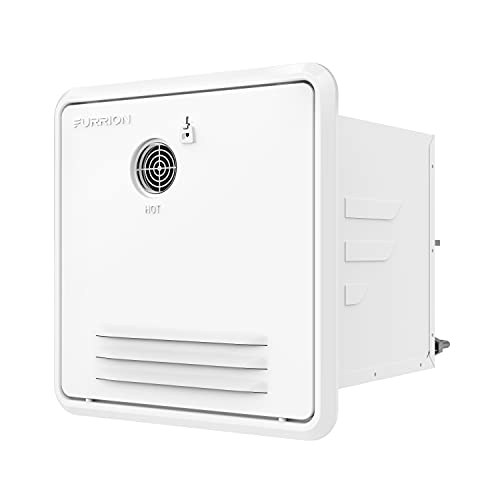
Type: Propane Tankless Water Heater. This Furrion unit lists a 60,000 BTU heating capacity and 2.4 GPM flow for on-demand hot water in RV installations. It uses Vortex technology to maintain a steady water temperature and includes dual-sensor safety shutoffs for over-temperature protection. The door dimensions (16.14″ x 16.14″) match many Suburban retrofit applications.
- Primary Use: Hot water delivery for RVs, not space heating.
- Safety Features: Temperature sensors and electric ignition.
- Installation: Retrofit replacement door design; intended for RV exterior mounting.
Dyna-Glo RMC-FA60DGD Propane Forced-Air Heater

This Dyna-Glo forced-air heater offers a continuously variable range from 30,000 to 60,000 BTU, making it adaptable for larger open spaces like job sites, tents, or uninsulated buildings. The manufacturer lists coverage up to approximately 1,350 sq. ft., with output adjusted via fuel flow control. As a liquid propane unit, it provides high heat output without requiring a heavy electrical service.
- Primary Use: Temporary or semi-permanent space heating where propane fuel is acceptable.
- Versatility: Variable BTU output allows matching heat to conditions.
- Considerations: Ventilation and combustion air requirements; not for tight indoor residential spaces without proper exhaust and safety measures.
Remington 60,000 BTU LP Forced Air Heater

Call 888-896-7031 for Free Local HVAC Quotes – Compare and Save Today!
The Remington REM-60V-GFA-B delivers a stated 60,000 BTU output with variable settings and safety systems such as high-temperature limit shut-off, flame-out fuel cut, and thermocouple protection. It’s promoted for garages, barns, and workshops where high BTU forced-air heating is required and propane is accessible.
- Primary Use: Large, ventilated workspaces and agricultural buildings.
- Safety: Multiple fuel/thermal safety features designed to reduce risks associated with propane combustion.
- Portability: Lightweight design with adjustable height for directing airflow.
Dura Heat EWH5510 Electric Forced Air Heater

This Dura Heat unit is a hard-wired 240V electric forced-air heater rated at approximately 17,060 BTU (5,000W). It’s designed for garages up to ~750 sq. ft. and requires professional installation to the home’s 240V service. The unit includes a remote control and adjustable thermostat for convenience. It represents the practical limit of high-capacity electric heaters commonly available for residential and garage use.
- Primary Use: Permanently installed electric heat for garages and workshops.
- Electrical Requirements: Hard-wired 240V / 30A circuit; professional installation advised.
- Limitations: Even at 17k BTU, it’s significantly lower than 60k BTU, demonstrating electrical constraints for high-BTU electric heat.
Dreo Space Heater Large Room 30″ Electric Heater

This Dreo space heater uses a 1500W PTC ceramic element with advanced thermal design and wide oscillation to heat rooms up to about 300 ft². At 1500W, it equates to roughly 5,118 BTU
Buying Guide: Choosing Between 60,000 BTU And Electric Alternatives
When searching for a “60000 BTU electric heater,” several technical and practical factors determine the right solution. The following guide explains key decision points and comparison perspectives to help match heater selection to your application.
Call 888-896-7031 for Free Local HVAC Quotes – Compare and Save Today!
1. Understand BTU And Electric Limits
BTU measures heat output. Electrical power for common residences is typically 120V or 240V with circuit limits that make a single 60,000 BTU (≈17.6 kW) electric heater impractical without special high-capacity service. A 60k BTU electric unit would require roughly 17–18 kW, often exceeding residential service and breaker ratings. This is why propane or natural gas forced-air heaters are common for 60k BTU output.
2. Space Type And Ventilation
Propane/LP forced-air heaters and gas-fired units produce combustion byproducts and often require ventilation and clearance. For enclosed or occupied living spaces, electric heaters are safer and cleaner. For open or ventilated workshops, barns, and construction tents, propane units are effective. Always check manufacturer ventilation and clearance requirements.
3. Installation Requirements
- Plug-In Electric (1500W): No special wiring beyond standard outlet. Best for rooms up to a few hundred square feet.
- Hard-Wired Electric (240V): Requires professional installation and appropriate circuit capacity; yields higher BTU (e.g., ~17k BTU) than plug-in units.
- Propane Forced-Air: Portable or mounted; requires propane supply and careful siting for exhaust and ventilation.
4. Running Cost And Fuel Availability
Electric heating efficiency is high at the device level, but electricity prices vary. Propane and natural gas often deliver more BTUs per unit cost in many areas, making them cost-effective for sustained high-output heating. Check local fuel costs and availability.
5. Safety And Regulatory Considerations
Evaluate safety features: tip-over and overheat protection for portable electrics; flame sensors, thermocouples, and high-limit shutoffs for combustion heaters. Also confirm local codes for indoor combustion appliances, venting, and carbon monoxide monitoring.
6. Mobility Versus Permanent Installation
Portable propane forced-air heaters are useful for temporary job sites or seasonal needs. Hard-wired electric units are better for permanent garage or workshop installations where an aesthetic or integrated thermostat control is desired.
7. Heat Distribution And Controls
Consider whether you need forced-air high-velocity heating for rapid warm-up or lower-velocity radiant/ceramic heating for occupant comfort. Controls such as thermostats, timers, and remote operation impact energy management and user convenience.
8. Conversion Perspective: BTU To kW
Remember the conversion: 1 kW ≈ 3,412 BTU/hr. A 60,000 BTU heater equates to ~17.6 kW. Typical 240V residential circuits of 30A support up to 7.2 kW continuous load; achieving 17.6 kW requires industrial-level service. This explains the rarity of true 60k BTU electric heaters for homes.
9. Matching Heater To Square Footage
- For insulated living areas, estimate 20–30 BTU per sq. ft.
- For uninsulated garages/workshops, estimate 40–60 BTU per sq. ft.
- Propane units with 60,000 BTU are suitable for large, poorly insulated spaces; electric alternatives often require multiple units or upgrades to service for similar output.
10. Maintenance And Lifespan
Combustion heaters require fuel system, burner, and exhaust checks. Electric heaters generally have lower maintenance: occasional cleaning and inspection of heating elements, fans, and controls. Factor routine maintenance into total cost of ownership.
Tips for Getting the Best HVAC Prices
- Prioritize Quality Over Cost
The most critical factor in any HVAC project is the quality of the installation. Don’t compromise on contractor expertise just to save money. - Check for Rebates
Always research current rebates and incentives — they can significantly reduce your overall cost. - Compare Multiple Quotes
Request at least three estimates before making your choice. You can click here to get three free quotes from local professionals. These quotes include available rebates and tax credits and automatically exclude unqualified contractors. - Negotiate Smartly
Once you've chosen a contractor, use the proven strategies from our guide — How Homeowners Can Negotiate with HVAC Dealers — to get the best possible final price.