
If you’re restoring a period home or want a wall heater that blends with vintage decor while delivering reliable warmth, this guide reviews five wall-mounted electric heaters that pair functionality with classic appeal. Below is a quick comparison of the selected models to help you scan features before detailed reviews.
| Product | Type | Power / Voltage | Key Feature |
|---|---|---|---|
| Leafinnerin 9815WH Large Capacity Electric Wall Heater | Fan-forced Wall Heater | 1500W / 120-240V | Built-in Thermostat, Quiet Copper Motor |
| Cadet Com-Pak CSC151TW | Fan-forced Wall Heater With Thermostat | 1500W / 120V | Complete Unit With Thermostat |
| Cadet Com-Pak CSC202TW | Fan-forced Wall/Ceiling Heater | 2000/1500W / 240/208V | Higher Output Option, Quiet Fan |
| Heat Storm HS-1500-PHX-WIFI | Infrared Wall-Mounted Heater | 1500W | Wi‑Fi Control, Touchscreen & Remote |
| EconoHome Wall Heater Panel | Convection Panel Heater | 400W / 120V | Low-Profile Panel For Small Rooms |
Content Navigation
- 9815WH Large Capacity Electric Wall Heater With Built-In Thermostat
- Cadet Com-Pak Electric Wall Heater Complete Unit With Thermostat (CSC151TW)
- Cadet Com-Pak CSC202TW Higher Output Wall/Ceiling Heater
- Heat Storm HS-1500-PHX-WIFI Infrared Wall Heater With Wi‑Fi
- EconoHome Wall Heater Panel With Thermostat — Low-Profile Convector
- Buying Guide: Choosing The Right Wall Heater For A Vintage Home
- Heating Type: Fan-Forced, Infrared, Or Convection
- Output, Voltage, And Room Size
- Thermostats, Controls, And Smart Features
- Noise, Motor Type, And Comfort
- Installation And Mounting Options
- Safety Features And Certifications
- Aesthetics And Integration With Vintage Decor
- Maintenance, Longevity, And Service
- Comparison Perspectives
9815WH Large Capacity Electric Wall Heater With Built-In Thermostat

This Leafinnerin model is a fan-forced wall heater designed for broad, even heat distribution using angled louvers. It lists 1500 watts and factory wiring for 120V with the ability to adapt to 240V installations, offering flexibility for different electrical environments.
Notable features include an adjustable built-in thermostat, a quiet copper motor designed for low noise operation, and overheat protection for safety. The louvers and fan aim to eliminate long warm-up times and deliver rapid area heating.
For vintage installations where modern components are concealed, this unit provides practical performance without bulky exterior styling. The white grille and radius edge design can be painted or framed with trim to suit period aesthetics, but any modification should maintain airflow and safety clearances.
Cadet Com-Pak Electric Wall Heater Complete Unit With Thermostat (CSC151TW)

Call 888-896-7031 for Free Local HVAC Quotes – Compare and Save Today!
Cadet’s Com-Pak CSC151TW is a widely used, factory-complete wall heater with an integrated thermostat. Rated for 1500 watts / 120V, it’s intended as a supplemental heat source for single rooms or zones.
The product specification emphasizes a complete package—heater plus thermostat—simplifying replacement or retrofit projects. Cadet models are commonly selected for their known service history in residential installs and compatibility with conventional wall cutouts.
Installation commonly replaces older units of similar size, maintaining a discreet profile on historic walls. The white grille is standard; preservation-minded homeowners often add period trim while ensuring vents remain unobstructed to prevent overheating.
Cadet Com-Pak CSC202TW Higher Output Wall/Ceiling Heater
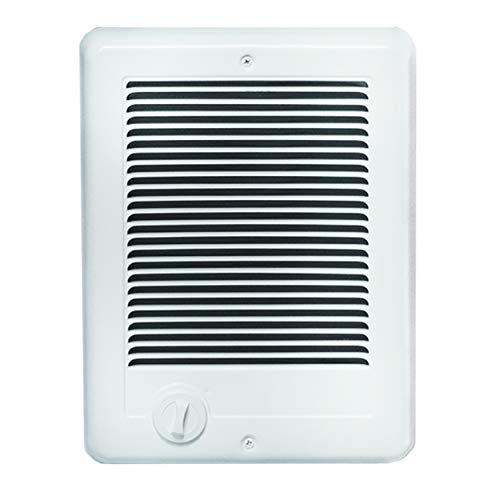
The CSC202TW offers dual wattage capability (2000W/1500W) with 240/208V options, suitable where higher output or alternative voltages are needed. The unit’s fan spreads warmth efficiently and the design supports wall or ceiling mounting for flexible placement.
Cadet notes fast heating for areas up to approximately 200 sq. ft. and safety cutoffs that turn the heater off if normal temperatures are exceeded. The fan-assisted distribution contrasts with convection-only models by accelerating room warm-up times.
Call 888-896-7031 for Free Local HVAC Quotes – Compare and Save Today!
For vintage homes with higher ceiling heights or larger rooms, this model’s higher output option provides more capacity without oversized exterior cabinetry. Proper electrical compatibility and professional installation are recommended for 240V configurations.
Heat Storm HS-1500-PHX-WIFI Infrared Wall Heater With Wi‑Fi

The Heat Storm HS-1500-PHX-WIFI is an infrared, wall-mounted unit that emphasizes remote control and connectivity. It lists features such as Wi‑Fi control, touchscreen thermostat, and a remote for hands-off operation.
Infrared heaters warm objects and people directly rather than relying solely on air circulation, which can provide a different comfort feel compared with fan-forced units. The space-saving wall mount preserves floor area and the built-in safety features include tip-over shutoff for units that may be portable during installation adjustments.
For homeowners seeking a modern control experience while maintaining a low visual profile, this model offers smart scheduling and remote adjustments that can fit into an updated period home when concealed or framed with appropriate trim.
EconoHome Wall Heater Panel With Thermostat — Low-Profile Convector

The EconoHome panel is a slim convection heater rated at 400 watts, designed for small rooms up to about 120 sq. ft. Its flat profile and white finish allow for discreet installation on interior walls.
Manufactured to be energy efficient, this panel uses convection currents and some radiant heat to maintain ambient warmth with steady, low power consumption. It includes overheat protection and may be hard-wired if required by installation constraints.
For vintage houses where visible modern hardware is minimized, a flat panel can be painted or masked with trim to blend into period moldings. The lower wattage suits small bedrooms, vestibules, or areas where subtle background heat is preferred over active forced-air circulation.
Buying Guide: Choosing The Right Wall Heater For A Vintage Home
Restoring or updating a vintage home requires balancing historic aesthetics, heating performance, and modern safety codes. Below are key considerations and comparison perspectives to guide selection.
Heating Type: Fan-Forced, Infrared, Or Convection
- Fan-Forced Heaters (Cadet, Leafinnerin): Use a fan to distribute warm air quickly. Good for rapid room warm-up and even temperature distribution. They tend to be louder than convection panels but more effective for larger rooms.
- Infrared Heaters (Heat Storm): Heat objects and people directly. They can feel warmer at lower air temperatures and are silent. Infrared is useful when you want focused comfort without heating the entire volume of air.
- Convection Panels (EconoHome): Provide steady, low-profile warmth. They are quiet and energy efficient for small spaces but take longer to change room temperature.
Output, Voltage, And Room Size
- Match the heater’s wattage and voltage to room size and home wiring. Typical single-room wall heaters are 400W–1500W; larger rooms or higher ceilings may require higher wattage or multiple units.
- Verify whether your home wiring supports 120V or 240V units; some models offer factory or field conversion. For older homes, consult an electrician to ensure wiring and breakers meet local code.
Thermostats, Controls, And Smart Features
- Built-in thermostats provide local temperature control; look for accurate sensors and front-mounted adjustments for convenience.
- Wi‑Fi and app control (Heat Storm, Dreo-like models) allow scheduling and remote operation, which can be useful when coordinating multiple zones in a vintage property.
- Consider compatibility with smart home systems (Alexa/Google) if you plan to integrate heating into an automated schedule.
Noise, Motor Type, And Comfort
- Quiet operation is often preferred in bedrooms and living spaces; copper motors and permanent-lubrication designs reduce operating noise.
- Infrared units are typically the quietest, followed by convection panels; fan-forced units vary by model.
Installation And Mounting Options
- Wall or ceiling mounting affects airflow and aesthetic placement. Ceiling mounting may suit high ceilings or narrow rooms where wall space is limited.
- Retrofitting into existing wall openings simplifies replacement; measured faceplate dimensions and cutout compatibility are important for period-accurate replacements.
- Professional installation is recommended for voltage conversion, hard-wiring, or if building codes require dedicated circuits.
Safety Features And Certifications
- Look for overheat protection, thermal cutoffs, and tip-over switches where applicable. These reduce fire risk and protect components.
- Certifications like cETL or UL listing indicate compliance with recognized safety standards. Confirm that the model suits your house’s elevation and local code requirements.
Aesthetics And Integration With Vintage Decor
- Consider low-profile panels or units with minimal grilles if you plan to disguise the heater behind period trim.
- White finishes are paintable in some models—use caution to avoid blocking ventilation. Custom metal covers or grilles recreate historic patterns while maintaining required clearances.
- For visible mounts, select units with simple lines that can be complemented by era-appropriate surrounds rather than ornate pieces that may trap heat.
Maintenance, Longevity, And Service
- Choose models with permanent lubrication and sealed motors for lower maintenance. Fan filters (if present) should be accessible for periodic cleaning.
- Review manufacturer warranty coverage and availability of replacement parts for long-term upkeep in older homes.
Comparison Perspectives
- Performance vs. Discretion: Fan-forced units offer rapid heating but can be more visible; convection panels are discreet but slower.
- Modern Controls vs. Period Look: Smart-enabled units provide convenience but may require strategies to conceal wiring and displays in historically sensitive rooms.
- Power vs. Efficiency: Higher wattage gives faster warmth but increases draw; lower-watt panels maintain background heat with lower energy use.
Selecting the right wall heater for a vintage home depends on room size, desired control features, installation constraints, and how visible you want the heater to be within the period interior. Consider the trade-offs between rapid comfort and subtle integration when making a final choice, and consult a licensed electrician for any wiring changes or high-voltage installations.
Tips for Getting the Best HVAC Prices
- Prioritize Quality Over Cost
The most critical factor in any HVAC project is the quality of the installation. Don’t compromise on contractor expertise just to save money. - Check for Rebates
Always research current rebates and incentives — they can significantly reduce your overall cost. - Compare Multiple Quotes
Request at least three estimates before making your choice. You can click here to get three free quotes from local professionals. These quotes include available rebates and tax credits and automatically exclude unqualified contractors. - Negotiate Smartly
Once you've chosen a contractor, use the proven strategies from our guide — How Homeowners Can Negotiate with HVAC Dealers — to get the best possible final price.