
Choosing a reliable 480 volt heater matters for warehouses, garages, shops, and industrial environments that require three-phase power and high heat output. Below is a quick comparison of five common 480V heater options to help you match capacity, portability, and installation style to your space.
| Product | Type | Duty |
|---|---|---|
| QMark MUH0541 | Self-Contained Unit Heater | 5 kW, 480 V |
| QMark MUH104 | Horizontal/Downflow Unit Heater | 10 kW, 480 V, 3Ø |
| TPI P3P5110CA1N | Fan-Forced Unit Heater | 10 kW, 480 V |
| TPI P3P5105CA1N | Fan-Forced Unit Heater | 5 kW, 480 V |
| Global Industrial Portable Salamander | Portable Electric Salamander | 30 kW, 480 V, 3-Phase |
QMark MUH0541 Self-Contained Unit Heater
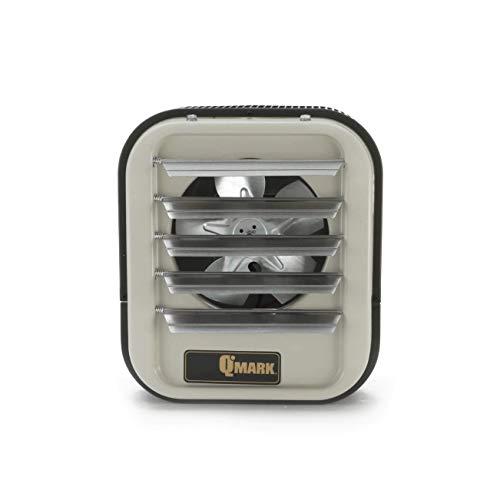
The QMark MUH0541 Is A Self-Contained Unit Heater Designed For Industrial Settings, Rated At 5000 Watts (5 kW) And 480 Volts. The unit Uses A Pull-Through Air Design For Efficient Heat Distribution And A Compact Footprint That Works In Garages, Shops, And Small Warehouses.
Key Features From The Listing Include Durable Metal Construction, A Linear Thermal Cutout For Element Protection, And An Optional 24V Control Transformer For Safer Temperature Adjustment. This Model Is Suitable Where A Self-Contained, Hardwired Heater Is Preferred Over Ducted Systems.
Installation Notes: The MUH0541 Is Intended For Fixed Mounting; Verify Electrical Supply, Control Wiring, And Local Code Requirements For Unit Heaters. The Listed Features Emphasize Safety And Versatility For Industrial Use.
QMark 10KW @ 480V, 3Ø MUH104 Horizontal/Downflow

Call 888-896-7031 for Free Local HVAC Quotes – Compare and Save Today!
The QMark MUH104 Offers A Higher Output Option With 10 kW At 480V, 3-Phase, Configured For Horizontal Or Downflow Installation. Intended For Larger Areas, This Unit Provides Robust Heat Delivery While Maintaining A Compact Package.
Product Details Include A Streamlined Electronic Component Design, Package Dimensions That Facilitate Placement, And A Construction Suited To Industrial Environments. The Unit Works Where Higher Wattage, Three-Phase Power Availability Is Present.
Considerations: Confirm Mounting Orientation And Airflow Clearance When Installing Horizontal Or Downflow Units. This Heater Type Is Typically Integrated Into A Building’s Permanent Heating Layout.
TPI P3P5110CA1N Fan Forced Electric Unit Heater

The TPI P3P5110CA1N Is A Fan-Forced Unit Heater Rated At 10 kW, 480 V. TPI Emphasizes High-Quality Construction And Materials Designed For Industrial Durability, With Efficient Airflow To Distribute Heat Evenly.
Listed Features Highlight Robust Build Quality Suitable For Industrial Environments, High Airflow For Effective Circulation, And A Design Focused On Longevity Under Mechanical Stress, Corrosion, And Wear.
Call 888-896-7031 for Free Local HVAC Quotes – Compare and Save Today!
Use Cases: Ideal For Larger Workshops, Loading Docks, Or Facilities That Require Enhanced Air Movement To Spread Heat Quickly. Verify Electrical Feed, Motor Rating, And Control Compatibility For Integration Into Existing Systems.
TPI P3P5105CA1N Fan Forced Unit Heater, 5 kW

The TPI P3P5105CA1N Provides A Lower Wattage Fan-Forced Option At 5 kW, 480 V. The Unit Shares TPI’s Emphasis On Premium Materials And Efficient Airflow, Making It Appropriate For Medium-Sized Spaces That Need Consistent Heat Distribution.
The Manufacturer Lists Durable Construction And Industrial-Grade Components, Suited To Long-Term Use In Demanding Settings. The Unit Is Designed To Offer Reliable Heat With Focus On Even Distribution Across The Space.
Installation And Use: This Heater Is Commonly Used Where Moderate Heat Output Is Sufficient And Where Fan-Forced Circulation Helps Reduce Cold Spots. Ensure Proper Electrical Protection And Mounting Hardware Are Used.
Global Industrial Portable Electric Salamander Heater, 480V – 30 KW
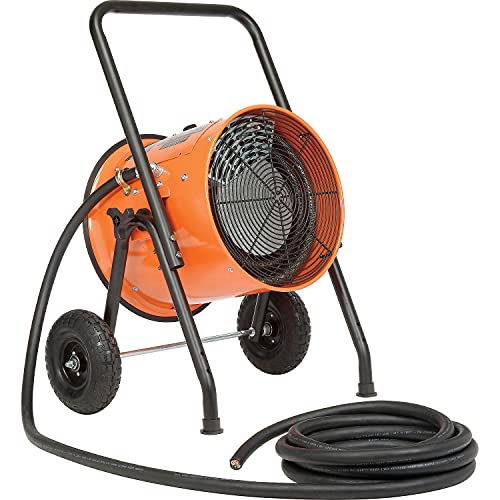
The Global Industrial Portable Salamander Is A High-Capacity 30 kW, 480 V, 3-Phase Electric Unit With Wheels And A 25-Foot Cable For Temporary Or Mobile Hot Work Applications. It Requires A 50 Amp Circuit Breaker And Is Designed For Direct Wire Installation.
Key Listing Features Include Mobility Via 10″ Wheels, A Long Cable For Flexible Placement, And Requirements For A Dedicated Circuit Breaker. The Unit Is Suitable For Job Sites, Large Areas Requiring Temporary Heat, Or Situations Where Portability Is Critical.
Use Cases And Installation: Because Of Its High Output, This Salamander Is Often Used For Temporary Heating Or Spot Heating During Construction, Maintenance, Or Emergency Situations. Check Electrical Capacity And Safety Clearances Before Operation.
Buying Guide: How To Choose The Right 480 Volt Heater
Selecting A 480V Heater Requires Balancing Heat Output, Installation Type, Electrical Capacity, And Safety Needs. Below Are Key Considerations To Compare Models Effectively.
Determine Required Heat Output
Calculate The Needed Heat Load Based On Space Volume, Insulation, And Desired Temperature Rise. Choose A Heater With Sufficient kW Rating—5 kW For Small Areas, 10 kW For Medium Spaces, And 30 kW+ For Large Or Rapid Heating Needs.
Power Configuration And Compatibility
Most Industrial 480V Units Are Three-Phase. Verify Your Facility’s Supply Voltage, Phase, And Breaker Capacity. Confirm The Unit’s Listed Amperage And Required Circuit Protection Before Selecting A Model.
Permanent Vs. Portable Units
Fixed Unit Heaters (Wall/Ceiling Mounted) Provide Permanent Heating With Controlled Air Distribution. Portable Salamanders Offer Mobility For Temporary Jobs Or Spot Heating. Consider How Often You’ll Move The Heater And Whether Permanent Wiring Is Available.
Airflow And Distribution
Fan-Forced Models Provide Active Circulation To Reduce Cold Spots, While Self-Contained Or Pull-Through Designs Offer Even Distribution With Lower Noise. Match Airflow Characteristics To The Layout And Occupancy Of The Space.
Installation And Mounting
Check Orientation Options (Horizontal, Downflow, Wall/Ceiling), Required Clearances, And Mounting Hardware. Some Units Require Direct Wiring And Dedicated Breaker Panels; factor in electrician labor and conduit runs.
Durability And Environment
Industrial Heaters Should Use Corrosion-Resistant Materials And Robust Motors If Exposed To Dust, Moisture, Or Harsh Conditions. Look For Listings That Emphasize High-Quality Construction For Long Service Life.
Safety Features
Important Protections Include Thermal Cutouts, Overtemperature Sensors, Motor Overload Protection, And Controls That Allow Safe Remote Operation. Units With 24V Control Transformers Or Linear Thermal Cutouts Offer Additional Safety Layers.
Controls And Integration
Consider Whether You Need Thermostatic Controls, Multi-Stage Operation, Or Integration With Building Automation. Some units offer 24V control transformers or standard control terminals for thermostats and external switches.
Maintenance And Serviceability
Choose Heaters With Accessible Elements, Replaceable Fans/Motors, And Established Manufacturer Support. Ease Of Access Reduces Downtime And Service Costs Over The Unit’s Life.
Comparison Perspectives
- Output Per Footprint: Self-contained and unit heaters tend to offer balanced output with small footprints for fixed installations.
- Mobility Versus Permanence: Portable salamanders deliver high temporary power but require proper electrical setup and safety planning.
- Energy Use And Duty Cycle: Consider continuous-duty ratings and motor thermal protections for 24/7 operation in industrial settings.
- Installation Complexity: Higher kW three-phase units often require dedicated breakers and professional wiring—plan for electrical capacity upgrades if needed.
Use The Above Criteria To Narrow Options Based On Your Space, Power Availability, And Operational Needs. When In Doubt, Consult A Licensed Electrician Or HVAC Professional To Ensure Proper Sizing, Installation, And Compliance With Local Codes.
Tips for Getting the Best HVAC Prices
- Prioritize Quality Over Cost
The most critical factor in any HVAC project is the quality of the installation. Don’t compromise on contractor expertise just to save money. - Check for Rebates
Always research current rebates and incentives — they can significantly reduce your overall cost. - Compare Multiple Quotes
Request at least three estimates before making your choice. You can click here to get three free quotes from local professionals. These quotes include available rebates and tax credits and automatically exclude unqualified contractors. - Negotiate Smartly
Once you've chosen a contractor, use the proven strategies from our guide — How Homeowners Can Negotiate with HVAC Dealers — to get the best possible final price.