
Choosing an energy-efficient bedroom heater means balancing warmth, running costs, safety features and noise level. This guide compares five compact heaters that focus on efficient heat delivery, thermostat control, and quiet operation—options include portable ceramic, infrared, wall-mounted, and plug-in panel designs.
| Product | Type | Key Energy Feature |
|---|---|---|
| Dreo 1500W Ceramic Portable | Portable Ceramic Heater | Fast PTC heating with thermostat, 1500W |
| Dreo 2025 Upgraded PTC | Portable Ceramic Heater | Advanced PTC + precision thermostat (41–95°F) |
| Dreo Smart Wall Heater WH719S | Wall-Mounted PTC Heater | Wide oscillation, app/Alexa control, scheduling |
| ENVI Plug-In Electric Panel | Plug-In Wall Panel | Low-wattage continuous heating, fan-less |
| Dr Infrared 1500W Dual Heat | Portable Infrared + PTC | Dual heating system, auto energy saving mode |
Dreo 1500W Ceramic Heater

This 1500W PTC ceramic heater is designed for quick warm-up and stable set-point control suitable for bedrooms and offices. The unit offers a built-in thermostat, multiple heat modes, a 70° oscillation to spread heat evenly, and a 12-hour timer to reduce wasted runtime. The product is ETL-certified and includes tip-over and overheat protection plus a long flat power cord. Noise is reported low (around 34 dB), making this model suitable for night use.
Energy efficiency aspects include fast PTC heating that reaches target temperature quickly and the thermostat-driven cycles that cut power when the set temperature is reached. The 12-hour timer and automatic power-off features allow scheduled operation, which helps limit unnecessary energy consumption during sleep or absence.
Dreo 2025 Upgraded PTC Heater

The 2025 upgraded Dreo model emphasizes precision temperature control with an enhanced NTC chipset allowing 1°F increments between 41–95°F. It combines Hyperamics PTC technology with a heat funnel design to extend warm-air reach up to 200% farther than traditional heaters. Safety features include an improved tilt-detection sensor, V0 flame retardant materials, and ETL certification.
Call 888-896-7031 for Free Local HVAC Quotes – Compare and Save Today!
From an energy perspective, the fine-grained thermostat helps minimize temperature overshoot, which reduces on/off cycles and can reduce consumption. The rapid warm-up and directed airflow aim to heat occupants and the immediate space quickly, which can be more efficient than prolonged whole-room heating in bedrooms.
Dreo Smart Wall Heater WH719S

The Dreo Smart Wall Heater mounts on the wall and provides 120° vertical oscillation to distribute heat across a room. Designed for bedroom installation, it features precise temperature control, a 24-hour timer, and smart home compatibility with Alexa and Google Home for remote scheduling and control.
Wall-mounted heaters can be more energy efficient for bedrooms because they deliver heat at occupant level and avoid floor obstruction. The ability to schedule heating and control remotely helps reduce runtime, and the wide oscillation ensures more uniform heat distribution, which can shorten the time needed to feel comfortable—potentially lowering energy use compared to portable units running at full power continuously.
ENVI Plug-In Electric Panel Heater
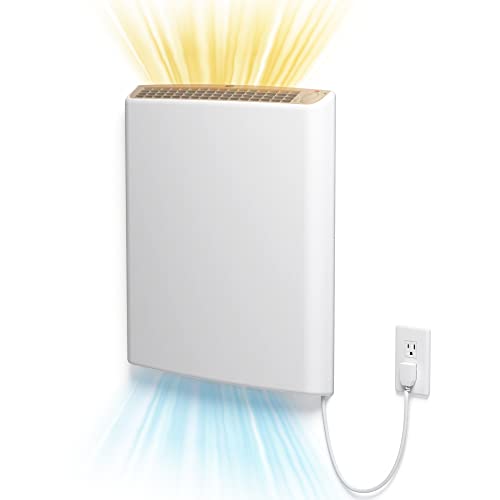
The ENVI plug-in panel is a fan-less, low-wattage wall heater designed to provide continuous, quiet warmth. It operates at a moderate surface temperature (~90°F), uses convection rather than forced air, and has a wall-sense safety sensor that cuts power if removed. The design minimizes airborne dust and allergens and is intended for 24/7 operation to supplement central heating.
Call 888-896-7031 for Free Local HVAC Quotes – Compare and Save Today!
Energy efficiency here comes from targeted, continuous low-wattage heating—maintaining a steady background temperature in a bedroom can often be more efficient than repeatedly heating a cold room from scratch. The fan-less design eliminates electrical draw from a blower and avoids the inefficiencies of cycling high-power fans.
Dr Infrared 1500W Dual Heat
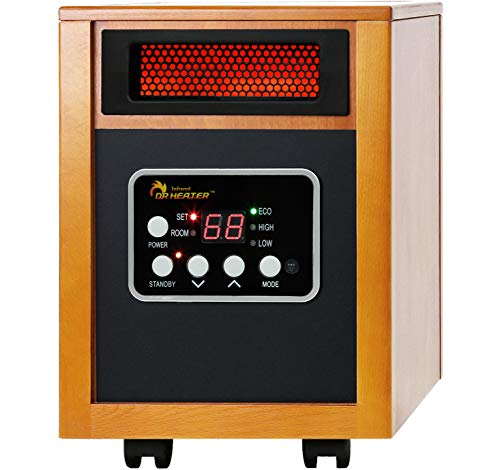
The Dr Infrared 1500W combines infrared quartz tubes and a PTC ceramic element for a dual heating approach aimed at delivering quick radiant warmth plus circulated warmth through a blower. The unit features an auto energy-saving mode, tip-over and overheat protection, and a quiet blower around 39 dB. It advertises a higher effective heat output (rated around 5200 BTU) for larger rooms.
Infrared heating can feel efficient for bedrooms because it warms objects and people directly rather than spending energy heating all the air. When paired with a thermostat or energy-saving mode, the system can reduce overall run time while maintaining perceived comfort. However, running the blower increases electricity draw; the energy-saving profile attempts to optimize between radiant and convective delivery.
Buying Guide: Choosing An Energy Efficient Bedroom Heater
This section highlights the main considerations when selecting an energy-efficient heater for a bedroom. Use these points to compare models and select the best fit for your space and usage habits.
Room Size And Heat Output
- Small Bedrooms (up to ~150 sq ft): A 750–1500W portable heater with precise thermostat control or a low-wattage panel can be sufficient.
- Medium To Large Bedrooms: 1500W portable units or dual systems (infrared + PTC) with targeted airflow and oscillation are more effective.
- Wall-Mounted Or Plug-In Options: Best for space-saving installations and continuous background heating with lower wattage designs.
Thermostat Precision And Controls
- Precise Thermostats Save Energy: Models that allow 1°F increments reduce overshoot and cycling losses.
- Timers And Scheduling: Programmable or app-controlled scheduling prevents unnecessary runtime while you sleep or are away.
- Remote Control And Smart Home: Remote control or smart integration lets you preheat only when needed, reducing wasted energy.
Heating Technology: Ceramic Vs Infrared Vs Panel
- Ceramic (PTC) Heaters: Fast warm-up and stable convective heating. Good for short bursts and quick warm-up of small spaces.
- Infrared Heaters: Radiant heat warms people and surfaces directly, often perceived as warmer at lower air temperatures—useful for spot heating.
- Panel / Fan-less Heaters: Low-wattage, silent, and suited for maintaining a steady temperature with minimal energy use over long periods.
Safety Features
- Tip-Over And Overheat Protection: Essential for bedrooms, especially near bedding and furniture.
- Cool-Touch Grills And Flame-Retardant Materials: Reduce burn and fire risk in tight spaces.
- Wall-Sense Sensors For Plug-In Units: Prevent power when the unit is dislodged and protect children and pets.
Noise Level And Sleep Comfort
- Look For Low dB Ratings: Values in the low-to-mid 30s are suitable for bedrooms; fan-less panels are silent.
- Oscillation And Airflow: Oscillating models spread warmth more uniformly, but fans can increase noise—balance distribution needs with sleep comfort.
Installation And Placement
- Portable Units: Place on a stable, flat surface with clearance around the intake and outlet. Avoid extension cords unless explicitly allowed by the manufacturer.
- Wall-Mounted Or Plug-In Panels: Consider permanent placement for continuous background heating; ensure electrical compatibility and mounting support.
Operating Costs And Usage Patterns
- Targeted Heating Saves Most: Heating only the bedroom or the area where you sit/sleep uses less energy than heating the whole home.
- Use Thermostats And Timers: Reduce runtime during sleep or when the room is unoccupied. Preheat just before use rather than keeping the heater on all day.
- Consider Insulation And Drafts: Improving insulation, sealing gaps, and using door sweeps reduce heating demands and enhance any heater’s efficiency.
Comparison Perspectives
- Short-Term Warmth Need: Portable PTC ceramic models heat fast and are effective for brief use or spot heating.
- Continuous Background Comfort: Low-wattage wall panels offer consistent warmth with lower operating noise and potential energy savings for overnight use.
- Perceived Warmth: Infrared models can feel warmer at lower air temps, which may allow lower thermostat settings and energy savings if used strategically.
- Smart Control & Scheduling: Wall or smart-enabled units with scheduling can reduce overall consumption by matching heat delivery to actual occupancy.
Use this guide to match heater type, features, and control options to your bedroom size and sleeping habits. Combining the right heater with insulation, thermostat discipline, and scheduled operation typically yields the best energy efficiency and comfort.
Tips for Getting the Best HVAC Prices
- Prioritize Quality Over Cost
The most critical factor in any HVAC project is the quality of the installation. Don’t compromise on contractor expertise just to save money. - Check for Rebates
Always research current rebates and incentives — they can significantly reduce your overall cost. - Compare Multiple Quotes
Request at least three estimates before making your choice. You can click here to get three free quotes from local professionals. These quotes include available rebates and tax credits and automatically exclude unqualified contractors. - Negotiate Smartly
Once you've chosen a contractor, use the proven strategies from our guide — How Homeowners Can Negotiate with HVAC Dealers — to get the best possible final price.