
Intro: Diesel coolant heaters preheat engine coolant to improve cold-weather starts, reduce wear, and shorten warm-up times. The table below summarizes five top diesel coolant and parking heaters chosen for vehicle, RV, marine, and portable applications based on heating type, power, and features.
| Product | Type | Power | Notable Feature |
|---|---|---|---|
| ZBJinG 7KW Diesel Heater | Air + Water Integrated | 7 kW | LCD control, dual air/water heating |
| GEYOPMID 5KW Diesel Water Heater | Water (coolant) parking heater | 5 kW | Remote + LCD, universal compatibility |
| Hotstart TPS151GT10-000 | Coolant pre-heater (engine block) | Engine size rated | Thermosiphon design, OEM-quality |
| VEVOR 8KW Diesel Heater | Air heater (portable/all-in-one) | 8 kW | Bluetooth app, altitude compensation |
| HCALORY 8KW Portable Diesel Heater | All-in-one portable air heater | 8 kW | Toolbox design, dual power options |
ZBJinG 7KW Diesel Heater

This unit Is An Integrated Air And Water Heating system designed for trucks, RVs, ships, and outdoor camping. It can provide engine coolant preheating and cabin or domestic water heating using a >40L water tank capacity. The hybrid function helps address cold-start difficulty and supports both vehicle comfort and engine protection.
The heater uses an LCD Display And ST Chip Mainboard for status, fault codes, and stable control logic. The display shows operating dynamics and provides automatic malfunction messages. This model emphasizes multi-function capability — useful when both preheating coolant and providing interior warm air or onboard hot water are required.
GEYOPMID 12V 5KW Diesel Water Heater

The GEYOPMID Is A Dedicated Water (Coolant) Heater that uses vehicle coolant for heat exchange to preheat the engine and cab. It is rated at 5 kW and includes a remote control and LCD switch for convenient pre-start scheduling and temperature adjustments.
Call 888-896-7031 for Free Local HVAC Quotes – Compare and Save Today!
Features emphasize economical and stable operation, claiming fuel savings versus idling for warm-up. The kit is described as universal across vehicles including cars, trucks, yachts, and agricultural equipment, making it a versatile coolant pre-heating solution where a water-based parking heater is desired.
Hotstart TPS151GT10-000 Coolant Pre-Heater
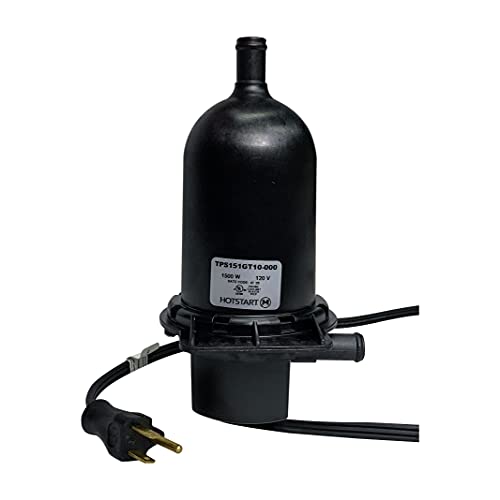
The Hotstart TPS151GT10-000 Is An OEM-Style Coolant Heater for diesel and gasoline engines across construction, marine, and industrial applications. It heats engine coolant or water using a thermosiphon principle, which often requires no pump and circulates fluid based on density and temperature differences.
It Is Specified For Larger Engine Displacements (noted for mid to large engines) and provides a simple, durable pre-heat solution. The manufacturer positioning highlights reliability and long life with an original equipment warranty for applications needing professional-grade coolant preheating.
VEVOR 8KW Diesel Heater

The VEVOR 8KW Diesel Heater Is An Air Heater All-In-One designed for vehicles, trailers, boats, and garages. It uses a sandblasting aluminum heat exchanger for rapid heat transfer and lists an applicable coverage area of about 215–269 ft².
Call 888-896-7031 for Free Local HVAC Quotes – Compare and Save Today!
Key controls include Bluetooth App And Remote Control alongside an LCD. The unit supports automatic altitude compensation to maintain combustion performance up to high elevations. This model targets users needing fast, portable cabin heating with remote programmable control and altitude-aware operation.
HCALORY 12V Portable Diesel Heater

The HCALORY Portable Unit Is An 8KW Toolbox-Style All-In-One Diesel Air Heater with a built-in 6L fuel tank and handle for mobility. It advertises improved aluminum construction, enlarged smoke vents, and reduced exhaust temperature for cleaner combustion.
It Offers Dual Power Options (12/24V DC and 110/220V AC) and automatic temperature control, making it suitable for mixed use: vehicle-based heating, camp or home backup, and situations requiring lightweight, transportable heat with built-in controls and app or remote control interfaces.
Buying Guide
This Buying Guide Covers Key Considerations When Selecting A Diesel Coolant Or Parking Heater, Comparing Functionality, Installation, And Operational Differences.
Heating Type: Coolant Versus Air
Coolant (Water) Heaters heat engine coolant to prewarm the engine block and oil systems. They directly reduce engine wear, improve cold starts, and are typically integrated into the vehicle coolant loop. Choose coolant heaters when primary goal is engine protection and efficient start-up.
Air Heaters (Parking Heaters) warm the cabin or cargo area and may include all-in-one portable units. They raise interior temperatures faster but do not heat engine coolant unless combined with a water loop. Select air heaters for occupant comfort and interior de-icing.
Power Rating And Coverage
Power is listed in kW; higher kW provides faster warm-up and larger coverage area. For small cars or tight engine bays, 5 kW water heaters are common. Larger vehicles, RV living spaces, or workboats may need 7–8 kW air heaters for rapid heating.
Integration, Installation, And Compatibility
Integrated Air+Water Units require more complex plumbing and mounting but give dual benefits (cabin heat + coolant preheat). Pure coolant heaters integrate into the cooling loop and may require routing hoses and a pump unless using thermosiphon designs.
Consider engine displacement and available installation space. OEM-style heaters such as Hotstart are typically designed for professional installation and vehicle-specific fitment. All-in-one portable heaters minimize installation but may require fresh air intakes and exhaust routing.
Controls, Convenience, And Scheduling
Remote controls, LCD interfaces, and smartphone apps enable preheating on a schedule. Remote start and temperature presets reduce idling. If regular pre-start warming is needed, prioritize units with timers, remote control, and reliable user interfaces.
Altitude And Environmental Conditions
Combustion heaters can lose efficiency at high altitude. Models with automatic altitude compensation maintain stable operation by adjusting fuel-air mix. Choose altitude-aware heaters for mountainous regions to avoid performance issues.
Noise, Safety, And Emissions
Look for silencer designs or claims of quiet operation if noise matters. Safety features such as overheat protection, flame detection, and fault diagnostics (LCD error messages) improve reliability. Consider exhaust routing and ventilation to manage CO risks.
Fuel Consumption And Efficiency
Fuel burn rates vary by model and operating power. Lower consumption models or those with thermostatic control will save fuel during long preheat cycles. Compare claimed fuel usage per hour against heat output to assess efficiency for your application.
Durability, Materials, And Serviceability
Alloy or cast components resist corrosion and extend service life. OEM brands and units with replaceable parts, clear fault codes, or serviceable filters will be easier to maintain. Consider warranty and parts availability for the chosen heater.
Use Case Comparison
- Daily Driver/Light Truck: A dedicated coolant heater (5 kW) or thermostat-integrated unit targets engine protection without major cabin heating needs.
- RVs/Long-Stay Campers: Integrated air+water heaters or high-power air heaters (7–8 kW) provide both living-space comfort and coolant preheat.
- Boats/Marine: Corrosion-resistant materials and marine-rated exhaust routing are essential; water-based preheaters help protect engines.
- Portable/Occasional Use: Toolbox-style, all-in-one units with onboard tanks and minimal installation are preferred for temporary heating.
Final Selection Tips
Match heater type to primary goal: coolant protection versus cabin comfort. Verify installation complexity, control options, altitude performance, safety features, and materials. For professional vehicles, prioritize OEM-grade coolant preheaters; for multi-use RVs, consider integrated systems with remote scheduling.
Tips for Getting the Best HVAC Prices
- Prioritize Quality Over Cost
The most critical factor in any HVAC project is the quality of the installation. Don’t compromise on contractor expertise just to save money. - Check for Rebates
Always research current rebates and incentives — they can significantly reduce your overall cost. - Compare Multiple Quotes
Request at least three estimates before making your choice. You can click here to get three free quotes from local professionals. These quotes include available rebates and tax credits and automatically exclude unqualified contractors. - Negotiate Smartly
Once you've chosen a contractor, use the proven strategies from our guide — How Homeowners Can Negotiate with HVAC Dealers — to get the best possible final price.