
Choosing the right HVAC duct heater involves matching capacity, controls, and installation components. Below is a quick comparison of top options and complementary ductwork supplies selected for reliable integration and sealing.
| Product | Primary Use | Key Feature |
|---|---|---|
| Warren SL5A 5 KW Electric Duct Heater | Inline duct heating | 5000W output, 24V control |
| TapePlus Heavy-Duty HVAC Aluminum Foil Duct Tape | Duct sealing | High-temperature and waterproof |
| 6Rolls Aluminum Foil Tapes (SmaringWing) | Sealing, patching | 3.9 mil thickness, long temp range |
| SICCOMA Black Aluminum Foil Tape | HVAC sealing/insulation | Heat and cold resistant, black finish |
| VEVOR 6 Inch Insulated Flexible Duct R-4.2 | Insulated duct runs | R-4.2 thermal resistance, 25 ft |
Warren SL5A 5 KW Electric Duct Heater 240/1/60

Application: Inline electric heating for residential or light commercial HVAC ducts. This unit integrates into duct runs to provide supplemental or primary heat.
Key Features: Delivers 5000W of heating power, in-duct form factor for direct airflow heating, and 24V control compatibility for integration with thermostats or control relays.
Performance Notes: A single-stage 24V-controlled element simplifies wiring for basic systems. Suitable for systems expecting a fixed heat output without modulating stages. Installation considerations include ensuring the heater matches duct size, electrical supply capacity, and that the unit is mounted in accordance with airflow and clearance requirements.
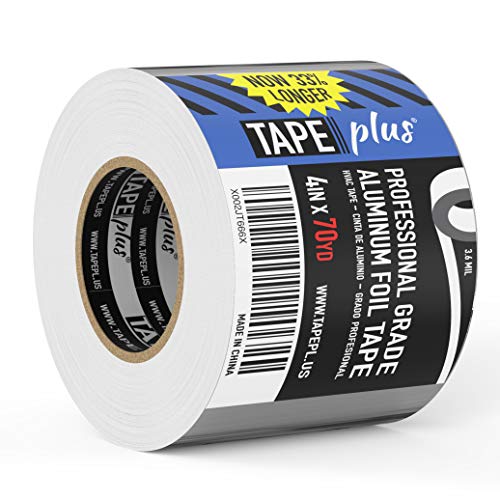
TapePlus Heavy-Duty HVAC Aluminum Foil Duct Tape
Call 888-896-7031 for Free Local HVAC Quotes – Compare and Save Today!
Application: Sealing joints and seams on metal ducts, insulation wraps, and repairs around HVAC duct heaters where high-temperature resistance is required.
Key Features: High-temperature and heat-resistant adhesive, waterproof and weather-resistant construction, and a durable silver finish for a professional seal.
Performance Notes: This tape is intended for exposed duct seams and insulation overlaps. Its weather-resistant properties make it suitable for attic or crawlspace runs where moisture and UV exposure may occur. For best adhesion, apply to clean, dry surfaces and press firmly to eliminate wrinkles and air pockets.
6Rolls Aluminum Foil Tapes, HVAC Duct Tape
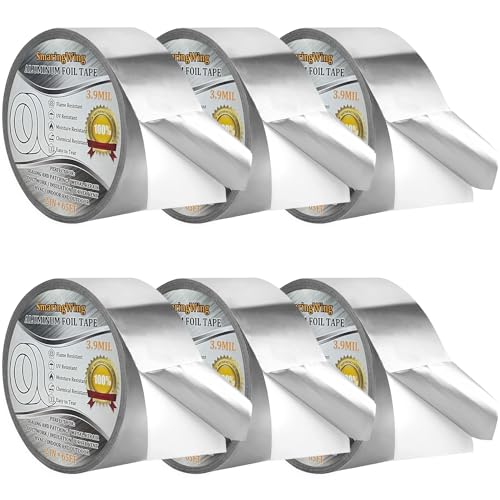
Application: General-purpose sealing and patching for metal ducts, dryer vents, and insulation joints, including use around inline duct heaters.
Key Features: 3.9 mil aluminum thickness, designed for strong adhesion across temperature extremes, and usable on smooth and irregular surfaces.
Call 888-896-7031 for Free Local HVAC Quotes – Compare and Save Today!
Performance Notes: The 3.9 mil thickness provides balance between flexibility and tear resistance, making it useful where tape must conform to seams or wrap irregular geometry. Rated for long-term temperature resistance and short-term higher temperatures; suitable for areas near duct heaters when applied per manufacturer guidance.
SICCOMA Black Aluminum Foil Tape 2 in x 65 Feet

Application: HVAC sealing for hot and cold ducts, pipe patching, and high-adhesion applications where a black finish is preferred for aesthetics or light control.
Key Features: Resistant to flames, moisture/vapor, UV degradation, and temperature extremes. Pressure-sensitive adhesive suited for metal, concrete, and plastics.
Performance Notes: The black coating provides an alternative where visual contrast or light blocking is needed. The tape’s pressure-sensitivity helps it conform to corrugated surfaces and irregular joints. Removal claims state no residue in typical conditions; test on critical surfaces before wide application.
VEVOR 6 Inch Insulated Flexible Duct R-4.2, 25 Feet

Application: Flexible insulated duct runs for HVAC distribution. Useful for connecting equipment, routing around obstacles, and insulating sections near duct heaters.
Key Features: Three-layer construction with aluminum foil and PET film, reinforced fiberglass grid, and a thermal resistance of R-4.2. Includes 2 duct clamps for secure connections.
Performance Notes: Insulated flex duct reduces heat loss or gain along the run and dampens noise from airflow and heating elements. Use when routing from the heater to diffusers or mixing boxes, ensuring clamps and sealants are applied to maintain system efficiency and safety clearances around heating elements.
Buying Guide: Choosing The Right HVAC Duct Heater And Accessories
This guide covers key considerations when selecting a duct heater and the complementary materials needed for safe, efficient installation.
Heater Capacity And System Match
Match Heating Output To Load: Select a heater wattage that aligns with the heating load for the conditioned space and the airflow rate through the duct. Undersized units will not meet temperature setpoints; oversized units may cycle inefficiently.
Electrical Supply And Controls: Confirm available electrical service (voltage and breaker sizing) and control compatibility. Many duct heaters, like the Warren SL5A, use a 24V control for thermostat integration. Verify control wiring and relay sizing.
Installation And Airflow Considerations
Duct Size And Placement: Ensure the heater physical length and flange match the duct diameter and orientation. Maintain manufacturer-recommended clearances and minimum airflow requirements to prevent overheating of elements.
Airflow Minimums: Heaters often require a minimum CFM to cool the element and ensure even temperature distribution. Check specifications and confirm system fan capacity.
Material Compatibility And Sealing
Use High-Temperature Tapes: Where ductwork is joined or insulation is wrapped, select foil tapes rated for HVAC temperatures and exposure. Tapes vary by adhesive formulation, thickness, and temperature rating—choose products designed for long-term thermal cycles.
Surface Preparation: Clean and dry surfaces before applying tape to maximize adhesion. For outdoor or attic exposures, choose weather-resistant and UV-stable tapes.
Insulation And Energy Efficiency
Insulated Ducting Near Heaters: Use insulated flex ducts (R-value listed) when routing heated air through unconditioned spaces to reduce heat loss and improve system efficiency. Consider noise attenuation provided by insulation when placing ducts near living spaces.
R-Value vs. Application: Higher R-values reduce heat transfer but can add cost and rigidity. Balance thermal needs against installation complexity and space constraints.
Adhesion, Thickness, And Durability
Tape Thickness Matters: Thicker foil tapes (such as 3.9 mil options) offer better tear resistance and long-term durability. Thinner tapes may conform better to tight corners but can tear or degrade faster.
Adhesive Chemistry: Acrylic adhesives generally offer better weather resistance and longevity than rubber-based adhesives but may require higher surface temperatures for optimal bonding during installation.
Safety, Code, And Compliance
Electrical And Fire Codes: Confirm local code requirements for electric duct heaters, wiring, disconnects, and breaker sizing. Some installations require overcurrent protection or specific disconnect accessibility.
Manufacturer Instructions: Always follow the heater manufacturer’s installation manual for clearances, mounting orientation, and maintenance intervals. Using non-recommended materials or configurations can void warranties or create safety hazards.
Comparison Perspectives
- Performance-Focused: Prioritize heater wattage and minimum airflow specs when space heating is primary. Supplement with insulated ducts to preserve delivered heat.
- Durability-Focused: Choose tapes and ducts rated for long-term exposure and repeated thermal cycling. Select thicker foil tapes and reinforced flex ducts for longevity.
- Cost-And-Labor Balance: Simpler single-stage heaters and hand-tear tapes reduce installation complexity. For controlled comfort and efficiency, invest in compatible controls and higher-grade sealing materials.
- Maintenance And Serviceability: Use accessible placement and removable panels for heater servicing. Select tapes that can be removed without residue where future access is likely.
When assembling components, verify compatibility across heater output, duct materials, sealing tapes, and insulation to ensure efficient, safe operation of the HVAC duct heating system.
Tips for Getting the Best HVAC Prices
- Prioritize Quality Over Cost
The most critical factor in any HVAC project is the quality of the installation. Don’t compromise on contractor expertise just to save money. - Check for Rebates
Always research current rebates and incentives — they can significantly reduce your overall cost. - Compare Multiple Quotes
Request at least three estimates before making your choice. You can click here to get three free quotes from local professionals. These quotes include available rebates and tax credits and automatically exclude unqualified contractors. - Negotiate Smartly
Once you've chosen a contractor, use the proven strategies from our guide — How Homeowners Can Negotiate with HVAC Dealers — to get the best possible final price.