
Looking For A Reliable Way To Heat Individual Rooms Without Running Central Heat? This Guide Compares Popular Portable Electric Space Heaters Suited For Bedrooms, Offices, Garages, And Small Living Areas. The Table Below Summarizes Key Features Of The Selected Models.
| Product | Type | Power & Modes | Key Safety/Smart Features |
|---|---|---|---|
| BLACK+DECKER Portable Space Heater | Compact Desktop Heater | 750W / 1500W / Fan | Lightweight Carry Handle |
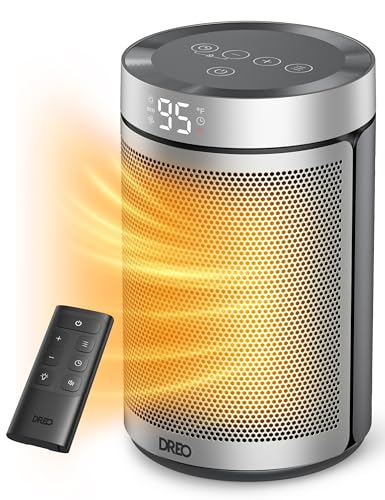
| Dreo Space Heater (B0CFQP9FX6) | PTC Ceramic Tower/Desktop | 1500W, Precise Thermostat | Tilt Sensor, Overheat Protection, ETL |
| VOCRS 1500W PTC Electric Heater | Ceramic Portable Heater | 700W / 1000W / 1500W, Timer | Remote, 1–12H Timer |
| MORENTO Smart Space Heater | Wi‑Fi Smart Ceramic Heater | 1500W, Thermostat, 12H Timer | Wi‑Fi/Voice Control, Child Lock |
| Amazon Basics Oscillating Ceramic Heater | Oscillating Table Heater | 1500W / 900W / Fan | 45° Oscillation, Tip‑over & Overheat Protection |
BLACK+DECKER Portable Space Heater, Room Space Heater With Carry Handle

This BLACK+DECKER Model Is A Compact Desktop Heater Designed For Easy Portability. It Weighs 2.8 Lbs And Includes A Built‑In Carry Handle For Moving Between Rooms.
Features Listed By The Manufacturer Include three operating choices: Low Heat (750W), High Heat (1500W), And Fan Only. The 6 Ft Power Cord And Small Footprint Make It Suitable For Dorm Rooms, Offices, Garages, And Small Bedrooms.
In Practical Use, The Unit Offers Direct Localized Heat Delivery Rather Than Whole‑Room Warming. The Adjustable Thermostat Control Allows Simple Manual Temperature Selection. The design emphasizes portability and quick personal warmth for close‑range use.
Dreo Space Heater, Portable Electric Heaters With Thermostat
Call 888-896-7031 for Free Local HVAC Quotes – Compare and Save Today!
This Dreo Heater Uses Advanced PTC Ceramic/Hyperamics Technology To Produce Warm Air Quickly, With A Design That Enhances Circulation To Extend Reach Compared To Basic Heaters.
Manufacturer Features Emphasize 1500W Output, Precise Thermostat Control (41–95°F With ±1°F Increments), A Heat Funnel To Improve Airflow, And Safety Measures Such As An Innovative Tilt‑Detection Sensor, Overheat Protection, V0 Flame‑Retardant Materials, And ETL Certification.
The Product Is Positioned As A High‑Control, Safety‑Focused Portable Heater Suitable For Bedrooms, Offices, And Medium‑Sized Rooms Where Thermostat Precision And Safety Certifications Are Priorities.
Small Portable Space Heater – VOCRS 1500W PTC Heater With Remote

The VOCRS Model Focuses On User Convenience With Multiple Power Levels (700W/1000W/1500W), A Remote Control, And A 1–12 Hour Timer Function. The Display And Remote Allow Adjustments From A Distance.
Manufacturer Features Note A Digital Display For Temperature And Modes, Remote Operation (Batteries Not Included), And Auto Shutoff After The Timer Expires. This Makes The Unit Practical For Night Use Or Situations Where Hands‑free Control Matters.
Call 888-896-7031 for Free Local HVAC Quotes – Compare and Save Today!
The VOCRS Heater Is Intended For Indoor Localized Heating, Offering multiple power settings and timed operation that support energy management by limiting run time or reducing output when full power is unnecessary.
MORENTO Space Heaters, Smart Wi‑Fi & Voice Control Space Heater

MORENTO Provides A Smart Heater That Connects To 2.4GHz Wi‑Fi And Supports App Control, Scheduling, And Voice Commands Via Alexa Or Google Home. The Unit Also Includes A 12‑Hour Timer, Child Lock, And Multiple Safety Protections.
Manufacturer Features Include V0 Grade Flame‑Retardant Materials, Overheat And Anti‑Tip Protection, A 24‑Hour Auto Off Option, And Dual Fuse Protection. Noise Reduction Features Allow Quiet Operation Down To Approximately 36dB According To The Listing.
This Product Targets Users Who Want Remote Scheduling And Smart Home Integration Combined With Standard Portable Heater Capabilities, Useful For Pre‑heating A Room On A Schedule Or Controlling Heat Remotely.
Amazon Basics Oscillating Ceramic Space Heater, Portable Indoor Heating

The Amazon Basics Unit Is A Compact Oscillating Ceramic Heater Designed To Provide Even Heat Distribution Using 45° Oscillation. It Offers Three Settings: High (1500W), Low (900W), And Fan‑Only Mode.
Listed Features Highlight Oscillation For Wider Coverage, Tip‑Over And Overheat Protection, And A Small, Easy‑to‑move Form Factor At Around 3 Lbs. The Model Is Intended For Small Rooms Where Circulating Warm Air Across A Wider Angle Is Beneficial.
This Heater Emphasizes Simple Operation, Portability, And Safety Protections Typical Of Modern Ceramic Space Heaters, Making It Appropriate For Occupied Rooms Requiring Gentle, Distributed Heat.
Buying Guide: How To Choose The Right Portable Space Heater
When Selecting A Portable Heater For Home Use, Consider How You Plan To Use It, The Size Of The Space, Safety Requirements, And Any Smart Features You Need. The Following Factors Help Compare Models Effectively.
1. Type Of Heater And Heating Technology
- PTC Ceramic Heaters: Fast Warm‑Up, Self‑Regulating Ceramic Elements Provide Stable Heat And Often Include Fans To Distribute Air.
- Fan‑Forced Heaters: Use A Heating Element And Fan To Push Warm Air; Good For Quick Local Heating But Can Be Noisier.
- Radiant Or Oil‑Filled Heaters: Not Covered In These Models, But Radiant Units Warm Objects Directly And Oil‑filled Models Offer Longer Residual Heat With Less Noise.
2. Power Rating And Coverage
Most Portable Electric Heaters Use Up To 1500W On Standard Household Outlets. Estimate Coverage By Room Size: For Targeted Personal Comfort (Desk Or Bedside), Smaller Units Are Adequate. For Heating A Medium Room, Look For Efficient Airflow And Oscillation To Spread Heat.
3. Thermostat, Controls, And Timers
- Adjustable Thermostat: Provides Temperature Regulation And Can Prevent Over‑heating The Room.
- Timers: Useful For Scheduling Operation Or Limiting Runtime For Safety And Energy Savings.
- Remote Control & App/Smart Control: Adds Convenience For Remote Adjustment, Especially For Units Placed Out Of Reach.
4. Safety Features
Look For Tip‑Over Protection, Overheat Sensors, And Materials With High Flame‑Resistance Ratings (V0 Is A Common Spec For Flame‑Retardant Plastics). ETL Or UL Certification Indicates That Safety Claims Have Been Evaluated By A Third Party.
5. Noise And Placement
Consider Noise Levels If Installing In Bedrooms Or Offices. Some Listings Provide Decibel Ratings; Lower dB Values Indicate Quieter Operation. Also, place heaters On Hard, Level Surfaces Away From Drapes And Flammable Materials. Many Manufacturers Advise Against Use On Soft Carpets.
6. Portability And Size
If You Intend To Move The Heater Frequently, Choose Lightweight Models With Carry Handles And Compact Footprints. Tabletop Heaters Are Designed For Close Proximity Use, While Taller Or Oscillating Units May Provide Broader Coverage.
7. Energy Efficiency And Modes
- Multiple Power Levels: Allow Running At Reduced Wattage When Full Power Is Not Required.
- Eco Or Low Power Modes: Can Reduce Energy Use While Maintaining Comfort.
- Targeted Heating: Using A Portable Heater To Warm Only Occupied Spaces Can Lower Overall Heating Costs Compared With Raising Central Heat.
8. Smart Features And Connectivity
Smart Heaters Offer App Scheduling, Voice Control, And Remote Access. These Features Improve Convenience But Require Secure Wi‑Fi Setup (Typically 2.4GHz). Evaluate Whether Remote Scheduling And Voice Commands Add Practical Value For Your Routine.
9. Reliability And Certifications
Third‑Party Certifications (ETL, UL) And Built‑In Redundancies (Dual Fuses Or Multiple Protections) Enhance Risk Mitigation. Check Manufacturer Guidance About Extension Cord Use; Many Heaters Require Direct Wall Outlet Connection To Meet Safety Standards.
Tips for Getting the Best HVAC Prices
- Prioritize Quality Over Cost
The most critical factor in any HVAC project is the quality of the installation. Don’t compromise on contractor expertise just to save money. - Check for Rebates
Always research current rebates and incentives — they can significantly reduce your overall cost. - Compare Multiple Quotes
Request at least three estimates before making your choice. You can click here to get three free quotes from local professionals. These quotes include available rebates and tax credits and automatically exclude unqualified contractors. - Negotiate Smartly
Once you've chosen a contractor, use the proven strategies from our guide — How Homeowners Can Negotiate with HVAC Dealers — to get the best possible final price.
10. Comparison Perspectives
- Value Perspective: Basic Models Like Compact Desktop Heaters Provide Immediate Local Warmth At Lower Cost And Less Complexity.
- Safety Perspective: Models With ETL/UL Certification, Tip‑Over And Overheat Protections, And Flame‑Retardant Materials Provide Higher Assurance For Continuous Use.
- Convenience Perspective: Remote Controls, Timers, And Smart Connectivity Offer Additional Flexibility For Nighttime Or Remote Management.
- Coverage Perspective: Oscillating Or Funnel‑Design Units Distribute Heat More Broadly, While Small Desktop Heaters Best Serve Personal Zones.
Practical Tips For Safe Operation
- Place Heaters On Stable, Hard Surfaces With Adequate Clearance Around All Sides.
- Avoid Using Extension Cords Or Power Strips Unless Manufacturer Permits Specific Types And Ratings.
- Turn Off And Unplug When Not In Use Or When Leaving The Room For Extended Periods.
- Follow The Manufacturer’s Maintenance Recommendations To Keep Vents Clear And Mechanical Parts Functional.