
Choosing a wood burning patio heater can transform chilly evenings into comfortable outdoor gatherings. Below is a concise comparison of top options that cover pellet towers, portable fire pits, smokeless designs, and larger wood stoves suitable for patio or near-outdoor use.
| Product | Type | Key Feature |
|---|---|---|
| Atlas Authentic Wood Pellet Patio Heater | Pellet Patio Heater | Smokeless Flame Technology, Portable |
| Rayzi 67 Inch Outdoor Pellet Heater | Pellet Heater / Fire Pit | Spiral/Tornado Flame, Triple-Burn Tech |
| Fire Riot Wood Pellet Patio Heater | Pellet Tower Heater | Glass Window, 75,000 BTU Output |
| Cuisinart 24” Cleanburn Smokeless Fire Pit | Portable Smokeless Fire Pit | Double-Wall Airflow, Stainless Steel |
| Ashley Hearth Pedestal Wood Burning Stove | Pedestal Wood Stove | 68,000 BTU, EPA Certified |
Atlas Authentic Wood Pellet Patio Heater

The Atlas Authentic unit is a portable wood pellet patio heater with a focus on reduced smoke and user mobility. Key listed features include Smokeless Flame Technology for cleaner burning, built-in wheels for transport, and a straightforward assembly process designed to be completed in 5–10 minutes.
This model targets users who want the ambiance of real flame with minimized smoke and easy relocation across patios, decks, and camping areas. The portable form factor and simplified maintenance are highlighted in the product description.
Rayzi 67 Inch Outdoor Pellet Heater
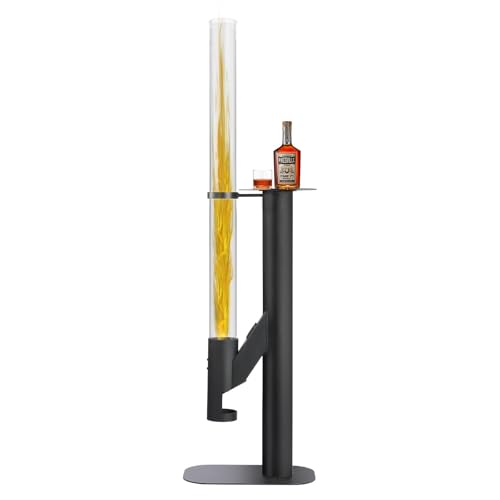
The Rayzi 67 Inch heater emphasizes visual impact with an enchanting spiral flame and an extended glass pipe that creates a tornado-like flame. The product highlights a thickened base and durable construction for stability and easier installation.
Call 888-896-7031 for Free Local HVAC Quotes – Compare and Save Today!
Rayzi lists an 8.4 lb hopper capacity and advanced triple-burn technology intended to deliver cleaner combustion and up to 3+ hours of operation per fill. This design suits users seeking strong visual appeal combined with cleaner-burning pellet performance.
Outdoor Patio Heaters By FIRE RIOT

FIRE RIOT advertises a glass-windowed pellet tower intended for patios, cafes, and commercial outdoor spaces. The product claims a high output—listed at 75,000 BTU—and extended run times up to around 6 hours on pellets, making it suitable for longer outdoor events.
Features emphasize versatility, aesthetic appeal via a viewing window, and use with eco-friendly wood pellets. The design is positioned for users who want a combination of visible flame, heat output, and multi-hour operation for gatherings.
Cuisinart 24” Cleanburn Smokeless Fire Pit

The Cuisinart 24” Cleanburn is a portable fire pit engineered for smoke reduction using a double-wall design and enhanced airflow. The unit supports burning wood logs or chunks and includes an ash tray and transportable components.
Call 888-896-7031 for Free Local HVAC Quotes – Compare and Save Today!
Key features include bottom vents and curved walls to accelerate oxygen flow for more complete combustion, a stainless steel construction for durability, and a removable base for easier ash cleanup. The model targets users who prioritize lower smoke and portability in a traditional wood-burning format.
Ashley Hearth Pedestal Wood Burning Stove

The Ashley Hearth AW1120E-P is a pedestal-style wood-burning stove that is EPA certified and lists 68,000 BTU heat output, capable of heating large indoor or sheltered outdoor-adjacent areas up to around 1,200 sq. ft. The unit accepts larger logs and features a firebrick-lined combustion chamber.
While primarily designed as a stove, its robust heat output and solid construction may suit covered patios, screened porches, or semi-outdoor setups where local codes and ventilation permit. Features include a large ash pan and capacity for 18″ logs.
Buying Guide: How To Choose A Wood Burning Patio Heater
This buying guide covers multiple perspectives—heat output, fuel type, smoke control, portability, installation, durability, and safety—to help match a wood burning patio heater to your needs.
Heat Output And Coverage
- BTU Or Run Time: For larger patios or commercial outdoor seating, prioritize higher BTU or continuous run times. Pellet towers often list run hours per hopper fill rather than BTU.
- Area Size: Match listed coverage to your usable space. Pedestal stoves list larger coverage but require more ventilation and clearance.
Fuel Type And Availability
- Wood Pellets: Provide cleaner, consistent combustion with options that advertise smokeless technologies and easier hopper refills.
- Logs/Chunks: Traditional fire pits and clean-burn designs accept logs and may provide higher instant heat; expect more ash and variable burn times.
Smoke Control And Airflow
- Double-Wall Or Triple-Burn Designs improve airflow, promoting more complete combustion and reduced smoke.
- Glass windows and enclosed towers help contain embers and maintain a steady flame while offering visual appeal.
Portability And Installation
- Wheels Or Handles aid relocation for units used seasonally or for camping. Consider weight and footprint for storage.
- Fixed pedestal stoves may require professional placement and stable surfaces; verify clearance and local regulations.
Durability And Weather Resistance
- Materials: Stainless steel, thickened bases, and rust-resistant coatings extend outdoor life. Check manufacturer notes on corrosion resistance.
- Glass pipes and viewing windows should be tempered for thermal stress resistance.
Maintenance And Cleanup
- Ash Pans And Removable Bases simplify cleanup. Pellet systems may require periodic hopper or burn-chamber cleaning to maintain performance.
- Inspect seals, vents, and any spark screens regularly to ensure safe operation.
Safety And Local Codes
- Clearance: Ensure adequate distance from combustible materials and overhead structures. Pedestal stoves and taller towers require attention to vertical clearance.
- Ventilation: Pellet heaters and enclosed stoves need appropriate ventilation; do not use indoor-rated stoves in fully enclosed spaces unless permitted.
- Verify local fire codes and HOA rules regarding open flames and outdoor heating appliances.
Aesthetic And Ambiance
- Visual Flame: Spiral or tornado glass towers offer striking visual effects. Traditional pits offer 360-degree viewing and more cooking functionality.
- Choose finishes and styles that complement your outdoor décor and intended use—social gatherings, intimate settings, or commercial ambiance.
Cost Of Operation And Fuel Efficiency
- Fuel Efficiency: Look for burn technologies (triple-burn, cleanburn, double-wall) that maximize heat per fuel unit and minimize smoke.
- Estimate operating time per hopper or per load of wood to compare ongoing fuel needs.
Comparison Perspectives
- Best For Low Smoke: Look for models advertising smokeless flame technology and enhanced airflow (pellet towers, double-wall fire pits).
- Best For Visual Ambiance: Glass-tube pellet towers with vortex flames or open 360-degree pits deliver the most visible flame effects.
- Best For High Heat: Pedestal wood stoves and high-BTU towers provide greater heating capacity for larger or semi-enclosed spaces.
- Best For Portability: Smaller stainless steel fire pits and pellet heaters with wheels/handles are easier to move and store.
When selecting a wood burning patio heater, weigh the trade-offs between raw heat output, smoke control, portability, and regulatory constraints. Matching the heater type to your space and usage pattern will deliver the best combination of warmth, ambiance, and safety.
Tips for Getting the Best HVAC Prices
- Prioritize Quality Over Cost
The most critical factor in any HVAC project is the quality of the installation. Don’t compromise on contractor expertise just to save money. - Check for Rebates
Always research current rebates and incentives — they can significantly reduce your overall cost. - Compare Multiple Quotes
Request at least three estimates before making your choice. You can click here to get three free quotes from local professionals. These quotes include available rebates and tax credits and automatically exclude unqualified contractors. - Negotiate Smartly
Once you've chosen a contractor, use the proven strategies from our guide — How Homeowners Can Negotiate with HVAC Dealers — to get the best possible final price.