
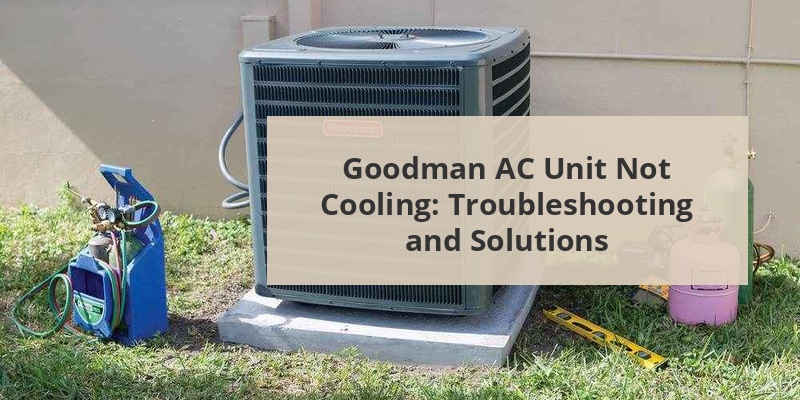
If your Goodman AC unit is not cooling your home as it should, you’re not alone. Many Americans face this issue, especially during peak summer months. This comprehensive guide explores common reasons why Goodman air conditioners may stop cooling, offers troubleshooting tips, explains when to call a professional, and outlines preventive measures to keep your unit running efficiently.
| Potential Issue | DIY Solution | Professional Needed? |
|---|---|---|
| Dirty Air Filter | Replace or clean filter | No |
| Thermostat Settings | Check/correct settings | No |
| Frozen Evaporator Coil | Turn off until thawed | Maybe |
| Refrigerant Leak | None | Yes |
| Electrical Issue | Check breakers/fuses | Often |
| Blocked Condenser | Remove debris | No |
Common Reasons Why Your Goodman AC Unit Is Not Cooling
Several factors can cause a Goodman AC unit to stop cooling properly. These issues range from simple user errors to more complex mechanical problems. Understanding the root cause is vital for effective troubleshooting.
Incorrect Thermostat Settings
The thermostat is the control center of your AC system. If it’s set to the wrong mode or temperature, cooling may not occur. Always ensure it is set to “Cool” with the desired temperature lower than the current room temperature.
Clogged Or Dirty Air Filters
Dirty air filters restrict airflow and reduce system efficiency. When airflow is impeded, your Goodman AC struggles to cool your home, and the system can even shut down if the filter is severely clogged. Filters should be checked monthly and replaced every 1-3 months.
Refrigerant Leaks
Low refrigerant levels prevent effective heat transfer. If you notice your AC blowing warm air or suspect a leak, professional service is required. Refrigerant issues are not DIY-friendly and can harm the compressor if left unresolved.
Frozen Evaporator Coil
A frozen evaporator coil can completely halt the cooling process. This can result from restricted airflow, low refrigerant, or running the AC with open windows or a dirty filter. If you notice ice on the coil, turn off the unit until it thaws, then investigate the root cause.
Call 888-896-7031 for Free Local HVAC Quotes – Compare and Save Today!
Dirty Or Blocked Condenser Coils
Your outdoor condenser coils release heat extracted from your home. Dirt, debris, or overgrown vegetation can block these coils, causing your Goodman AC to lose cooling ability. Cleaning the area around the condenser is crucial for optimal performance.
Electrical Problems Or Blown Fuses
Electrical faults can quickly halt AC operation. If the unit shuts down unexpectedly or won’t start, check your breaker panel for a tripped breaker or blown fuse. Continual electrical issues may indicate a deeper problem that requires an HVAC technician.
Compressor Or Fan Problems
The compressor and fan are core components of every AC system. If either fails, your unit won’t cool effectively. Listen for unusual noises (clicking, banging, humming) that may signal motor or compressor issues, and consult a professional if these symptoms occur.
Thermostat Malfunctions
Thermostat sensors or wiring may fail with age or improper installation. A faulty thermostat can send the wrong signals, preventing cooling. Try replacing thermostat batteries (if battery-powered) and checking for loose or frayed wires.
Step-By-Step Troubleshooting For Goodman AC Not Cooling
Use this systematic process to identify the root cause of your cooling problem before calling for support. Many AC issues are simple to resolve with basic troubleshooting steps.
Check Thermostat Settings
- Ensure set to “Cool” and not “Heat” or “Fan.”
- Lower the set temperature below ambient room temperature.
- Verify if “Auto” mode is selected for the fan.
Simple thermostat mistakes are a common source of cooling issues.
Call 888-896-7031 for Free Local HVAC Quotes – Compare and Save Today!
Inspect And Replace Air Filters
- Turn off the AC and locate the air filter (often near the return duct).
- Remove and inspect the filter for dirt and clogs.
- Replace or clean the filter if dirty (disposable or washable filters).
Changing the air filter can instantly improve airflow and cooling capacity.
Examine The Outdoor Condenser Unit
- Ensure the unit is not blocked by plants, debris, or leaves.
- Clean the coils gently with a garden hose (after turning off power).
- Check for bent fins and straighten carefully with a fin comb.
A clean condenser is vital for heat exchange and system efficiency.
Monitor For Ice Or Frost On The AC
- Look for ice on the evaporator coil or refrigerant lines.
- If found, turn off the AC and allow it to defrost fully before restarting.
- Check that air filters are clean and vents open to restore airflow.
Recurring icing suggests airflow or refrigerant problems requiring professional diagnosis.
Test For Electrical Issues
- Check the circuit breaker panel for any tripped breakers labeled “AC” or “HVAC.”
- Inspect visible wiring near the condenser for damage.
- If breakers continue to trip, contact a licensed electrician or HVAC technician.
Electrical problems can be hazardous—exercise caution and consult experts as needed.
When To Call A Professional HVAC Technician
Some AC issues require specialized knowledge, tools, and refrigerant handling certification. If you’ve completed basic troubleshooting and the unit is still not cooling, professional service is recommended.
Signs That Professional Repair Is Needed:
- Blowing warm air despite correct thermostat settings
- Visible refrigerant leaks (oily residue near refrigerant lines)
- Ice forming on evaporator/condenser coils repeatedly
- Unusual buzzing, grinding, or humming noises from the unit
- Frequent cycling or the system fails to turn on at all
- Electrical smells or burning odors
Attempting DIY repairs on complex AC components can result in injury or void system warranties.
Common Goodman AC Error Codes And What They Mean
Newer Goodman air conditioners often include diagnostic LEDs to indicate fault conditions. Understanding these codes can help you describe symptoms to a technician or take preliminary action.
| Error Code | Possible Meaning | What To Do |
|---|---|---|
| 1 Flash | System on, no problems | Normal operation |
| 2 Flashes | Pressure switch stuck open | Check airflow, call pro if persists |
| 3 Flashes | Pressure switch stuck closed | Call professional technician |
| Continuous | Board error | Cycle power, call Goodman service |
Consult your unit’s manual for model-specific error codes and troubleshooting steps.
Preventative Maintenance: Keeping Your Goodman AC Cooling Effectively
Proactive maintenance can prevent most Goodman AC cooling issues and extend your unit’s lifespan. Here are key steps to maintain peak performance:
Replace Or Clean Air Filters Regularly
- Check filter monthly, replace every 1-3 months
- Use high-quality filters for better air quality
This single step is the easiest way to prevent airflow-related problems.
Clear The Area Around Your Condenser
- Keep grass, weeds, and debris at least 2 feet from the unit
- Trim overhanging trees to prevent leaf buildup
A clean environment around the condenser ensures unimpeded heat exchange.
Schedule Annual Professional AC Tune-Ups
- Have a licensed HVAC technician inspect and service your unit each spring
- Tasks include cleaning coils, checking refrigerant, and verifying electrical connections
Routine professional maintenance identifies issues before they lead to cooling loss.
Keep Vents And Registers Open And Unblocked
- Ensure furniture or drapes do not block airflow from supply or return vents
- Vacuum vents regularly to remove dust and debris
Proper vent operation distributes cool air efficiently throughout your home.
Upgrade Your Thermostat For Greater Efficiency
- Replace outdated or faulty thermostats with programmable or smart models
- Features like scheduling and remote access help prevent user errors
Modern thermostats optimize comfort and aid in energy savings.
Goodman AC Not Cooling: Frequently Asked Questions
Get quick answers to common questions about troubleshooting and repairing a Goodman AC not cooling issue:
Does A Dirty Filter Really Stop An AC From Cooling?
Yes, a clogged air filter blocks airflow, stresses system components, and can cause the evaporator coil to freeze, stopping cooling output completely.
Can Low Refrigerant Make The AC Run But Not Cool?
Absolutely. Without sufficient refrigerant, the AC cannot absorb and transfer heat, resulting in warm or mildly cool airflow and constant system operation.
What Is The Average Lifespan Of A Goodman Central AC Unit?
Goodman AC units typically last 10-15 years with proper maintenance, but severe neglect or repeated issues can shorten system life considerably.
Why Is My Goodman AC Running But Not Blowing Cold Air?
This could stem from low refrigerant, a frozen coil, dirty filters, thermostat errors, or blower fan malfunctions. Use the troubleshooting guide above to isolate the cause.
How To Contact Goodman Support Or Find Replacement Parts
If you suspect a significant component has failed, like the compressor or control board, you may need Goodman AC replacement parts or support:
- Visit the Goodman Manufacturing website for warranty policies, part numbers, and service directories.
- Call Goodman customer support at 1-877-254-4729 (Monday-Friday, 8 a.m. to 5 p.m. Central Time).
- Locate factory-authorized dealers or service technicians for warranty repairs.
Do not attempt to replace or recharge refrigerant yourself—federal law requires certified professionals for these tasks.
Understanding Goodman AC Warranty Coverage
Most Goodman air conditioners include a strong warranty program, but registration is often required. Here’s what homeowners should know:
- Register your new unit within 60 days for maximum warranty benefit
- Warranty terms typically cover parts for 10 years; labor coverage varies
- Only authorized repairs and proper maintenance preserve warranty validity
If your AC is new and not cooling, contact Goodman support or your installer immediately to avoid voiding warranty rights.
Tips To Maximize Cooling Performance From Your Goodman AC Unit
Even after a Goodman AC repair, efficiency depends on your home and usage habits. Use these strategies to boost comfort and savings:
- Set thermostats to 78°F (26°C) or higher when home, 85°F (29°C) when away.
- Use ceiling fans to supplement cooling and improve air circulation.
- Close blinds or curtains during peak sunlight to reduce solar gain.
- Seal air leaks in windows, doors, and ductwork to prevent cool air loss.
- Keep interior doors open to promote even system airflow throughout the home.
Small adjustments have a big impact on how efficiently your Goodman AC cools your living space.
Conclusion: Taking Action When Your Goodman AC Is Not Cooling
When your Goodman air conditioner is not cooling, a step-by-step troubleshooting approach can solve many issues quickly and affordably. Regular maintenance and attention to warning signs ensure reliable performance and a comfortable home during American summers. For complex repairs, turn to certified HVAC professionals for safe, warranty-approved solutions.
Tips for Getting the Best HVAC Prices
- Prioritize Quality Over Cost
The most critical factor in any HVAC project is the quality of the installation. Don’t compromise on contractor expertise just to save money. - Check for Rebates
Always research current rebates and incentives — they can significantly reduce your overall cost. - Compare Multiple Quotes
Request at least three estimates before making your choice. You can click here to get three free quotes from local professionals. These quotes include available rebates and tax credits and automatically exclude unqualified contractors. - Negotiate Smartly
Once you've chosen a contractor, use the proven strategies from our guide — How Homeowners Can Negotiate with HVAC Dealers — to get the best possible final price.