
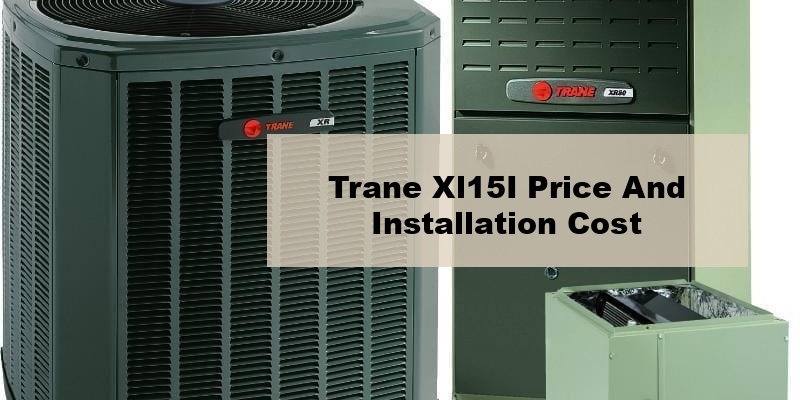
The Trane XL15i represents a mid-range central air conditioner option often chosen for reliable cooling in American homes. Homeowners planning a replacement or upgrade need to know how the XL15i price is determined and what drives installation costs beyond the sticker price. Factors include unit size (tons), efficiency ratings, whether a single or two-stage model is used, ductwork compatibility, and regional labor rates. This article outlines typical pricing, discusses what affects the cost, and offers practical guidance for obtaining accurate estimates and maximizing value.
What Is The Trane XL15i?
The Trane XL15i is part of Trane’s XL line, designed for dependable cooling in residential settings. It is commonly used as an outdoor condenser in a complete cooling system paired with a matched indoor air handler or furnace. The XL15i typically falls into the mid-range efficiency category, offering solid performance for households seeking balance between upfront cost and long-term energy savings. Availability of single‑stage or multi‑stage configurations can influence both performance and price, depending on the chosen setup and compatibility with existing ductwork.
Key considerations for the XL15i include compatibility with a matched indoor coil, the potential for enhanced humidity control when paired with appropriate indoor equipment, and standard warranty coverage when installed by an authorized dealer. Prospective buyers should confirm the exact SEER rating and configuration with the local Trane dealer, as models and options can vary by region and year of manufacture.
Price Range For The XL15i: Equipment And Installed Cost
Pricing for the XL15i varies by tonnage, configuration, and market. The figures below reflect typical ranges in the United States and are intended to help homeowners plan budgets. Equipment price refers to the outdoor condenser unit alone; installed cost includes labor, refrigerant, line sets, electrical connections, and basic materials needed for a standard installation.
| Unit Size (Tons) | Condenser Equipment Price (Estimate) | Installed Cost Range (Estimate) |
|---|---|---|
| 1.5–2 | $1,500–$2,200 | $4,000–$6,000 |
| 2–3 | $1,700–$2,500 | $4,000–$7,000 |
| 3–4 | $2,000–$2,900 | $5,000–$8,500 |
| 4–5 | $2,200–$3,000 | $6,000–$9,000 |
Note: These ranges are approximate and depend on regional pricing, dealer promotions, file specifics, and installation complexity. The XL15i price can be affected by extra components such as upgraded coils, smart thermostats, or additional ductwork improvements. Always obtain multiple quotes to compare equipment configurations and labor costs.
Factors That Influence The Price
- Tonnage and sizing: A larger home requires a higher-capacity unit, which increases equipment and installation costs.
- Efficiency and configuration: Higher SEER (energy efficiency) ratings and two-stage or multi‑stage variants typically cost more upfront but deliver greater energy savings over time.
- Indoor coil and furnace compatibility: If the indoor coil or furnace must be upgraded or replaced to match the XL15i, total costs rise.
- Ductwork condition and modifications: Ducts that require sealing, cleaning, or resizing can add labor time and materials.
- Labor rates by region: Urban areas or regions with higher living costs generally have higher installation labor rates.
- Permits and code requirements: Local permitting and inspection fees can affect total installation costs.
- Old equipment removal and disposal: Hauling away a previous system may add a modest charge.
- Additional features: Upgrades like smart thermostats, air filtration upgrades, or Zoning systems influence price.
How Installation Costs Are Calculated
- The labor component covers system removal, site preparation, unit placement, refrigerant line installation, electrical connections, and commissioning tests.
- Refrigerant lines must be sized and charged correctly; longer or more complex runs increase material costs and labor time.
- Electrical work includes wiring, disconnect switches, and ensuring safe power supply to the outdoor unit and indoor equipment.
- Thermostat integration and control wiring affect both setup time and compatibility with existing home automation systems.
- Thermal and humidity considerations may require additional components or duct adjustments, contributing to overall cost.
- Permits, inspections, and any required rebates documentation are typically included in the final invoice or billed separately by the contractor.
Regional Variations In Price
Prices vary widely by region due to labor costs, climate considerations, and local codes. In warmer southern states with longer cooling seasons, demand for central AC installations can influence both equipment and labor pricing. In northern regions, installation costs may be affected by aging ductwork upgrades or a higher likelihood of pairing with fossil-fuel furnaces. Rural areas often have lower labor rates but may incur higher travel fees, while metropolitan markets tend to show the broadest range of pricing due to varying contractor competition and demand.
Call 888-896-7031 for Free Local HVAC Quotes – Compare and Save Today!
To navigate regional differences, homeowners should request a written, itemized estimate from multiple local Trane dealers. Compare equipment configurations, warranty terms, and included services to determine where the XL15i price offers the best value in a given area.
Financing, Rebates, And Tax Benefits
Financing options and rebates can significantly affect the effective cost of the XL15i installation. Some utilities and manufacturers offer rebates for high-efficiency equipment, while federal or state tax credits may apply to energy-efficient upgrades. Dealers may also provide promotional financing or zero-interest offers for qualified buyers. Before committing, verify eligibility, expiration dates, and required documentation with the installer and local program administrators.
Maintenance And Longevity
Proper maintenance extends the life of an XL15i system and helps preserve efficiency. Regular professional inspections, refrigerant checks, coil cleaning, and airflow calibration contribute to consistent performance. Most Trane systems carry a comprehensive warranty when installed by an authorized dealer; extended warranties may be available for an additional cost. Homeowners can also reduce long-term costs through routine filter changes, keeping outdoor staging clear of debris, and scheduling annual tune-ups to catch issues early.
Tips for Getting the Best HVAC Prices
- Prioritize Quality Over Cost
The most critical factor in any HVAC project is the quality of the installation. Don’t compromise on contractor expertise just to save money. - Check for Rebates
Always research current rebates and incentives — they can significantly reduce your overall cost. - Compare Multiple Quotes
Request at least three estimates before making your choice. You can click here to get three free quotes from local professionals. These quotes include available rebates and tax credits and automatically exclude unqualified contractors. - Negotiate Smartly
Once you've chosen a contractor, use the proven strategies from our guide — How Homeowners Can Negotiate with HVAC Dealers — to get the best possible final price.
Frequently Asked Questions
- Q: How much does the XL15i price include upfront? A: The equipment price covers the outdoor condenser; installed cost includes labor, line sets, refrigerant charge, electrical connections, and basic accessories, but may exclude permits or ductwork upgrades.
- Q: Can I install the XL15i myself? A: Professional installation is essential for performance, warranty coverage, and safety. DIY installation is not recommended and can void warranties.
- Q: How long does installation take? A: Most standard installations take 1–2 days, depending on ductwork, electrical upgrades, and disposal needs for the old unit.
- Q: Are there rebates for the XL15i? A: Rebates vary by utility and region. Check with the installer and local energy programs for current offers and eligibility.
- Q: How can I lower overall costs? A: Get multiple quotes, verify the unit is properly sized for the home, prioritize reputable installers, and explore bundled deals that include maintenance plans and smart thermostats.