
Protecting baseboard heaters prevents burns, curtain damage, and improves room aesthetics. Below is a quick comparison of selected protector and cover options chosen for common installations and safety needs.
| Product | Brand | Primary Benefit |
|---|---|---|
| Curtain Protector Set (3-Pack) | Homeaids | Shields Curtains From Heat And Flames |
| End Caps For Baseboard Heater Covers (2 Pack) | Samorillo | Completes And Secures Cover Ends |
| NeatHeat 4ft Baseboard Heat Front Cover | neatheat | Simple Slip-On Front Cover |
| Retractable 2–4ft Galvanized Steel Cover | Caoooort | Adjustable Length, Includes End Covers |
| 6ft Steel Easy Slip-On Baseboard Cover | SDSNTE | Durable Full-Length Replacement Cover |
Curtain Protector, Set Of 3 Pieces

Brand: Homeaids
This metal heat shield set is designed to keep curtains and fabrics away from direct contact with baseboard heater surfaces. The pieces are made from rust-resistant steel and are intended to block direct exposure to high temperatures that can cause burning, fading, or discoloration.
Installation is tool-free: the guards are placed over the baseboard area so curtains hang clear of the heat source. The product emphasizes quick setup and low maintenance due to durable, heat-resistant materials.
[2 Pack] End Caps For Baseboard Heater Covers

Call 888-896-7031 for Free Local HVAC Quotes – Compare and Save Today!
Brand: Samorillo
These plastic left and right end caps are designed to snap into place on many standard baseboard heater covers. A built-in clip secures the cap to the cover frame, and the soft plastic can be trimmed to match nonstandard heights.
Key uses include completing an exposed cover end, preventing sharp edges, and improving the finished look of a cover replacement. The product highlights tool-free installation for most situations and compatibility with common cover profiles.
NeatHeat 4ft Baseboard Heat Front Cover

Brand: neatheat
The NeatHeat front cover is a slip-on style designed to fit over many baseboard heaters. It emphasizes easy installation without special tools and can be trimmed with household tools where necessary. The cover is intended to refresh the appearance of older or discolored heater fronts.
Call 888-896-7031 for Free Local HVAC Quotes – Compare and Save Today!
This front-only replacement is suitable for situations where the internal heater is sound and only the cosmetic face needs replacement. The listing notes that measuring prior to purchase is important to ensure a proper fit across brands and models.
Baseboard Heater Cover, 2FT-4FT Retractable Galvanized Steel
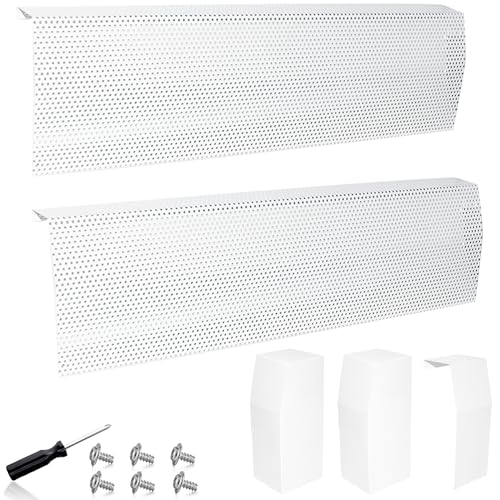
Brand: Caoooort
This adjustable cover is offered as two 2ft sections that expand to fit up to 4ft. Constructed from galvanized steel with a white powder coat, it’s positioned as a rust-resistant and heat-tolerant option. The package includes end covers and screws for a more secure fit.
This model is useful where variable lengths are needed or where a matching end cap set is desired. Because it comes with an installation kit, the product leans toward a more permanent cover replacement versus a slip-on cosmetic front.
6ft Steel Easy Slip-On Baseboard Heater Cover

Brand: SDSNTE
This full-length 6ft steel cover is described as a durable replacement for worn or rusty baseboard fronts. Made from 21-gauge steel with a protective finish, it aims to improve both safety and heat distribution while preventing direct contact with heating elements.
The single-panel design supports airflow while providing a barrier against accidental touching by children or pets. It specifies dimensional limits for compatibility, and the end caps are reinforced with heavier-gauge material for longevity.
Buying Guide: Choosing The Right Baseboard Heater Protector
Selecting a protector or cover depends on safety needs, heater type, installation style, and aesthetic goals. Below are the key considerations and comparison perspectives to guide a purchase.
1. Purpose And Protection Level
Decide whether you need protection for fabrics (curtains), a cosmetic front replacement, or a durable full-length cover. Curtain shields like metal brackets block direct heat to textiles. Slip-on frontsGalvanized or thick steel covers
2. Heater Type And Compatibility
Confirm whether your heater is electric convection, hydronic, or gas-rated. Some covers and end caps are labeled for specific systems. Measure the heater’s length, height, and maximum front depth; many covers state maximum dimensions for fit. Always follow manufacturer guidance about covering electric heating elements and preserving required clearances.
3. Installation Method
Understand the difference between tool-free slip-on covers and those requiring screws or clips. Slip-on covers are quick for cosmetic upgrades. Adjustable and secured covers often include screws or brackets for a firmer, permanent fit that resists displacement.
4. Materials And Heat Resistance
Look for rust-resistant metals
5. Safety Features
Key safety considerations include preventing direct contact with heating elements, reducing fire risk from nearby fabrics, and eliminating sharp edges. Features like enclosed panels, reinforced end caps, and curtain shields reduce accidental burns and potential ignition of flammable materials.
6. Airflow And Heating Efficiency
Protectors should not block required airflow. Covers are typically ventilated or designed to allow convection. A poorly designed cover that restricts airflow can reduce heater efficiency and increase surface temperatures. Choose covers that maintain or improve even heat distribution.
7. Aesthetics And Finish
White powder-coat or painted finishes match common wall trims, while plain metal suits industrial or unfinished spaces. Removable fronts are easier to paint or replace for coordination with room decor.
8. Adjustability And Size Options
Retractable or cut-to-fit covers accommodate nonstandard lengths. Modular sections or included end caps ease installation on long runs. If you have multiple heaters of varying lengths, look for kits or adjustable options to minimize separate purchases.
9. Installation Tools And Complexity
If you prefer a DIY solution, look for no-tools or minimal-tools
10. Longevity And Maintenance
Choose corrosion-resistant materials and finishes for long life. Painted or powder-coated surfaces can be wiped down; avoid abrasive cleaners that remove protective finishes. Consider whether parts like end caps are replaceable independently of the main cover.
Comparison Perspectives
- Safety-First: Curtain shields and enclosed steel covers offer higher protection for fabric and children.
- Aesthetic Upgrade: Slip-on fronts like NeatHeat provide quick cosmetic improvement with minimal effort.
- Custom Fit: Adjustable and retractable covers fit variable lengths and include end caps for a finished look.
- Durability: Heavier-gauge steel covers and reinforced end caps resist rust and mechanical wear.
- Ease Of Installation: Snap-on end caps and slip-on fronts minimize labor; screwed kits provide more secure attachment.
When selecting a baseboard heater protector, balance the level of protection you need with compatibility, airflow requirements, installation preferences, and the material durability appropriate for the room environment.
Tips for Getting the Best HVAC Prices
- Prioritize Quality Over Cost
The most critical factor in any HVAC project is the quality of the installation. Don’t compromise on contractor expertise just to save money. - Check for Rebates
Always research current rebates and incentives — they can significantly reduce your overall cost. - Compare Multiple Quotes
Request at least three estimates before making your choice. You can click here to get three free quotes from local professionals. These quotes include available rebates and tax credits and automatically exclude unqualified contractors. - Negotiate Smartly
Once you've chosen a contractor, use the proven strategies from our guide — How Homeowners Can Negotiate with HVAC Dealers — to get the best possible final price.