
Protecting your wall heaters, baseboards, and outdoor electric units extends lifespan and improves safety. Below is a quick comparison of selected covers and accessories that fit common heater types and installations.
| Product | Type | Key Feature |
|---|---|---|
| Wall-Mounted Patio Heater Cover – Birheatry | Wall/ceiling electric heater cover | 420D Oxford waterproof, drawstring bottom |
| NeatHeat 4ft Baseboard Heat Front Cover | Baseboard front cover (4 ft) | Tool-free installation, fits most |
| NeatHeat 6ft Baseboard Heat Front Cover | Baseboard front cover (6 ft) | One-size-fits-most, easy to trim |
| EZ-FLO 10 x 6 Inch Air Vent Cover | Wall/ceiling vent register | Adjustable dampers and durable steel |
| Baseboarders Wall Bracket Accessory WB001 | Mounting bracket for baseboard covers | Steel bracket for secure wall mounting |
Wall-Mounted Patio Heater Cover – Birheatry

This cover is designed for hanging or wall-mounted electric infrared patio heaters. The listed dimensions are 36.5 x 9.5 x 6.5 inches, intended to fit many standard units. The product emphasizes weather protection using 420D Oxford fabric with a PVC coating to resist water, dust, and wear.
Notable design choices include a double-sided drawstring bottom to secure the cover and reduce wind uplift. The listing states this item is a cover only and does not include the heater. Users are advised to measure their heater before ordering to ensure compatibility.
Primary applications: seasonal storage, outdoor protection, and preventing debris accumulation on wall-mounted electric heaters. Material considerations: coated polyester for durability and UV resistance as noted in the features.
NeatHeat 4ft Baseboard Heat Front Cover

Call 888-896-7031 for Free Local HVAC Quotes – Compare and Save Today!
The NeatHeat 4ft front cover is made for baseboard heating units and installs without specialty tools. The manufacturer highlights an easy installation process and notes the cover fits over most baseboard heater models when correct measurements are used.
Feature callouts include compatibility across common baseboard brands and a measuring guide to verify fit prior to purchase. The cover can be a solution for improving interior aesthetics while maintaining heat flow when installed per instructions.
Use cases: interior baseboard cosmetic upgrades, protecting heating elements from accidental contact, and simplifying cleaning. Installation tips: follow the measuring guide and confirm clearance for thermostat controls and trim as needed.
NeatHeat 6ft Baseboard Heat Front Cover
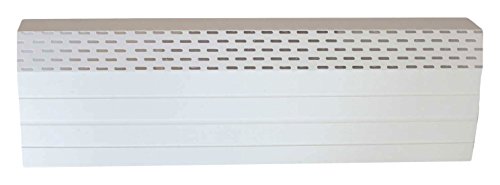
The 6ft NeatHeat front cover follows the same design philosophy as the 4ft model but sized for longer baseboards. The listing highlights simple installation and that the product can be cut with common household tools to fit nonstandard lengths.
Key features include a universal fit for many baseboard brands and the ability to modify length on-site. The manufacturer recommends verifying your baseboard dimensions and brand compatibility before purchase.
Call 888-896-7031 for Free Local HVAC Quotes – Compare and Save Today!
Applications include longer runs in living rooms, hallways, or larger rooms where a continuous front cover improves visual cohesiveness. When trimming, users should ensure edges are finished to prevent sharp metal or plastic exposure.
EZ-FLO 10 x 6 Inch Air Vent Cover For Wall Or Ceiling

This steel vent register is sized for a 10 x 6 inch duct opening and has an overall footprint of about 11.75 x 7.75 inches. The product is intended for wall or ceiling installation and includes adjustable dampers and 18 louvers for airflow direction and volume control.
Material and durability features include a solid steel construction with a matte white powder coat finish for long-term reliability in heating and cooling systems. The internal grille dimensions are designed slightly smaller than the external frame to ensure a proper fit into standard openings.
Functional uses: controlling airflow from wall/ceiling ducts, redirecting heated or cooled air, and replacing worn registers. Installation requires matching the duct opening size and using appropriate fasteners for wall or ceiling surfaces.
Baseboarders Galvanized Steel Wall Bracket Accessory WB001

The WB001 is a galvanized steel wall bracket designed to secure baseboard covers when the original back plate is unavailable or cannot be used. The listing suggests using two brackets for 3–5 ft covers and three brackets for 6–7 ft covers.
Feature highlights: compatibility with the Basic series of Baseboarders covers, a 2-year protection guarantee against rust for the Basic series, and suitability for hydronic and some electric baseboards (caution advised for high-surface-temperature electric models).
Intended function: provide secure mounting points for baseboard covers, improve alignment, and enable retrofit installations where factory mounting hardware is missing. Installers should follow bracket placement recommendations and check wall substrate strength.
Buying Guide: How To Choose The Right Wall Heater Cover
Selecting the appropriate cover depends on heater type, installation location, airflow needs, and material preferences. Use the sections below to match product features to your requirements.
Identify Heater Type And Measurements
- Baseboard Heaters: Measure overall length and depth. Choose a front cover rated for baseboard installations and confirm clearance for control knobs and vents.
- Wall-Mounted/Infrared Patio Heaters: Measure length, height, and projection from the wall. Outdoor covers need weather-resistant fabrics and secure closures to resist wind.
- Vents/Registers: Measure the duct opening, not the outer frame. Verify whether you require a wall or ceiling orientation and the correct louver/damper control.
Material And Durability
- Metals (Steel/Aluminum): Offer rigidity and heat tolerance for baseboard covers and registers. Powder-coated finishes resist rust and blend with decor.
- Fabric Covers (Oxford/PVC Coated): Best for outdoor electric heaters; look for waterproof/UV coatings and reinforced closures to secure the cover in wind.
- Galvanized Brackets: Use galvanized steel brackets for mounting where existing hardware is absent; check warranty and rust protection details.
Airflow And Safety Considerations
- Do not block required airflow or safety vents. Ensure covers are designed to maintain adequate ventilation for the heater type.
- For electric baseboards, confirm manufacturer guidance on using covers with electric units; higher surface temperatures may require specific clearances.
- Vent registers with adjustable dampers, like the EZ-FLO model, let you control direction and volume while maintaining system balance.
Installation And Compatibility
- Ease Of Installation: Many front covers advertise tool-free installs, but check for included hardware and mounting instructions.
- Trim-To-Fit: Some metal covers can be cut to size with common tools; plan edge finishing to avoid sharp edges.
- Accessory Needs: For retrofit jobs, include mounting brackets and screws. Baseboarders WB001-type brackets are useful when back plates are missing.
Indoor Versus Outdoor Use
- Outdoor heater covers should list waterproof and UV-resistant materials and include secure bottom closures to prevent wind lift.
- Indoor covers focus more on aesthetics and protecting heating elements from dust and accidental contact while preserving airflow.
Performance And Maintenance
- Look for durable coatings and fabrics that resist mildew and fading if used outdoors.
- Removable and washable components simplify maintenance; metal registers can be wiped and repainted if necessary.
- Regularly inspect covers and brackets for wear, fastener looseness, or fabric deterioration, especially after storms or heavy use.
Comparison Perspectives
- Cost vs. Durability: Fabric covers typically cost less but may need replacement sooner than metal covers for interior baseboards.
- Security vs. Convenience: Bracket-mounted metal covers provide a secure and permanent look; soft covers are easier to remove seasonally.
- Airflow vs. Aesthetics: Slotted or louvered metal front covers preserve airflow while improving room appearance compared with solid facades that might restrict heat.
Use the measurements, material guidelines, and installation notes above to match your heater and environment to the appropriate cover or accessory. Choosing the right combination ensures safety, ease of maintenance, and a longer service life for heating equipment.
Tips for Getting the Best HVAC Prices
- Prioritize Quality Over Cost
The most critical factor in any HVAC project is the quality of the installation. Don’t compromise on contractor expertise just to save money. - Check for Rebates
Always research current rebates and incentives — they can significantly reduce your overall cost. - Compare Multiple Quotes
Request at least three estimates before making your choice. You can click here to get three free quotes from local professionals. These quotes include available rebates and tax credits and automatically exclude unqualified contractors. - Negotiate Smartly
Once you've chosen a contractor, use the proven strategies from our guide — How Homeowners Can Negotiate with HVAC Dealers — to get the best possible final price.