
Looking For A Reliable, Budget-Friendly Propane Heater? This Guide Compares Compact Portable Models Ideal For Camping, Garages, Patios, And Emergency Use. Below Is A Summary Table Of The Five Selected Cheap Propane Heaters Reviewed.
| Product | Type | BTU Range | Key Feature |
|---|---|---|---|
| Mr. Heater Portable Buddy MH9BX | Radiant Portable | 4,000–9,000 BTU | Indoor-Safe With Tip-Over Safety |
| 15,000 BTU Single Tank Top Portable Heater | Tank-Top Radiant | 10,000–15,000 BTU | Mounts Directly To 20 lb Tank |
| Buyplus 6200BTU Portable Patio Heater | Electronic Ignition Patio | 6,200 BTU | Electronic Ignition & Mesh Guard |
| Mr. Heater 4000–18000 BTU Dual Tank Model | Variable Multi-Setting | 4,000–18,000 BTU | Dual Tank Connection, Up To 450 Sq Ft |
| MOZODAWN 2-In-1 Propane Heater & Stove | Combo Heater/Stove | Up To 13,000 BTU | Heater Plus Cooking Surface |
Mr. Heater Portable Buddy Heater MH9BX
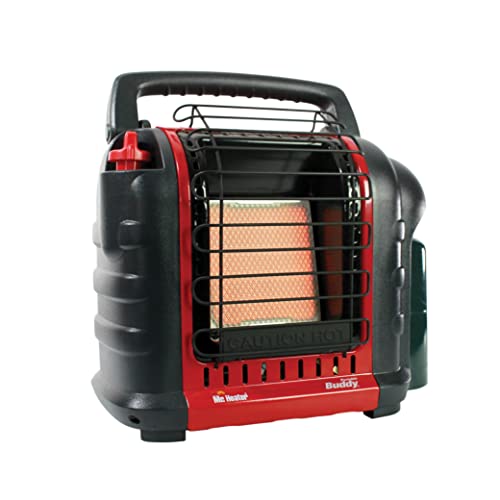
Type: Indoor-Safe Radiant Portable Heater. BTU: 4,000–9,000. Designed For Small Spaces Up To 225 Sq. Ft.
This unit Uses Infrared Radiant Heat To Warm Objects And People Directly, Rather Than Heating Air Alone. The Heater Features A Piezo Igniter For Matchless Start-Up And An Improved Tip-Over Safety Switch That Engages Audibly If The Unit Is Shaken Or Tipped.
Use Cases Include Campers, Workshops, Job Sites, And Covered Patios Where Indoor-Safe Operation Is Required. The Compact Design And Built-In Carrying Handle Support Portability.
Limitations To Consider: Radiant Heaters Provide Direct Heat But Less Ambient Air Circulation Than Forced-Air Units, So Placement Relative To Occupants Affects Perceived Warmth.
Call 888-896-7031 for Free Local HVAC Quotes – Compare and Save Today!
15,000 BTU Single Tank Top Portable Propane Radiant Heater

Type: Tank-Top Radiant Heater. BTU: 15,000 High, 12,500 Medium, 10,000 Low. Mounts Directly To A 20 lb Propane Tank.
This Design Eliminates The Need For A Separate Hose Or Base, Increasing Portability For Short-Term Outdoor Use. The Three-Position Regulator Allows Adjusting Heat Output For Different Conditions, And The Unit Includes A Tip-Over Safety Shut-Off.
Best Suited For Open-Air Patios, Campsites, And Work Areas Where A Higher Single-Element Output Is Needed. The Mount-On-Tank Configuration Improves Mobility But Requires Secure Tank Mounting For Stability.
Consider Placement And Wind Exposure, As Radiant Tank-Top Models Can Lose Efficiency In Strong Crosswinds And Provide Less Distributed Heat Than Multi-element Systems.
Buyplus Propane Heater – 6200BTU Portable Patio Heater

Call 888-896-7031 for Free Local HVAC Quotes – Compare and Save Today!
Type: Small Patio/Camping Heater With Electronic Ignition. BTU: 6,200. Includes Protective Mesh Guard And Control Valve.
This Compact Heater Emphasizes Safe Outdoor Use With A Mesh Guard Around The Heating Element And A Push-Button Electronic Ignition For Reliable Starts. The Unit Is Marketed For Tents, Fishing Shelters, Garages, And Small Outdoor Spaces.
Because Of Its Lower BTU Output, It Is Designed For Close-Range Spot Heating Rather Than Large-Area Heating. The Mesh Guard Provides A Physical Barrier That Reduces The Risk Of Direct Contact With The Element.
Electronic Ignition Reduces Starting Effort Compared To Manual Piezo Systems, But Users Should Verify Suitability For Enclosed Tents Or Small Cabins Based On Ventilation And Manufacturer Safety Guidance.
Mr. Heater 4000 To 18000 BTU Portable LP Gas Heater Unit
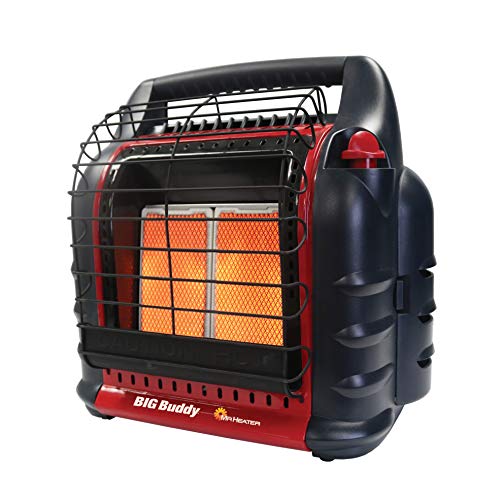
Type: Variable Multi-Setting Portable Heater With Dual Tank Capability. BTU: 4,000, 9,000, 18,000. Rated To Heat Up To 450 Sq. Ft. With Optional Hose/Filter For Larger Tanks.
This Model Offers Versatility For Different Spaces Through Its Three Heat Levels And Ability To Connect To Larger Tanks For Extended Run Time. It Uses A Piezo Sparking Mechanism, Single-Knob Control, And Includes Auto Safety Shutoff For Tip-Over Protection.
Suitable For Larger Garages, Workshops, And Partially Enclosed Outdoor Areas Where Variable Output Is Beneficial. The Higher BTU Setting Expands Coverage Compared To Small Radiant Units.
Consider Fuel Supply And Hose Requirements When Using With Tanks Above Standard 20 lb Cylinders, And Verify Intended Indoor Or Outdoor Use Per Manufacturer Recommendations.
MOZODAWN 2 In 1 Propane Heater & Stove

Type: Dual-Function Heater And Stove. BTU: Up To 13,000. Stainless Steel Interface, Adjustable Switch, Portable Handle.
This Combination Unit Allows Users To Both Heat A Space And Use A Cooking Surface, Making It Practical For Camping, Tents, Ice Fishing Shelters, And Emergency Preparedness. The 360-Degree Radiant Heat Pattern Is Intended To Warm Multiple Occupants Nearby.
Construction Features Emphasize Corrosion Resistance And A Portability Handle. The Adjustable Control Offers More Precision Over Heat Output, While The Integrated Stove Function Adds Utility For Multi-day Outdoor Use.
When Used In Enclosed Spaces, Follow Ventilation Recommendations Closely. Combo Units May Require Extra Clearance For Safe Cooking And Heating Simultaneously.
Buying Guide: How To Choose A Cheap Propane Heater
When Selecting A Budget Propane Heater, Consider Multiple Factors To Match The Heater To Your Intended Use. Below Are Key Purchase Considerations With Comparative Perspectives.
1. Intended Use And Coverage Area
Estimate The Space You Need To Heat. Small Radiant Units (4,000–9,000 BTU) Excel For Direct Spot Heating In Tents Or Near Work Areas. Higher-BTU Models (10,000–18,000 BTU) Offer Broader Coverage For Garages And Larger Outdoor Rooms. Match BTU To Square Footage For Efficient Performance.
2. Portability And Fuel Configuration
Decide If You Need A Tank-Top Design That Mounts Directly To A 20 lb Cylinder Or A Model With A Hose Allowing Remote Tank Placement. Tank-Top Units Improve Simplicity And Portability; Hose-Connected Units Provide Stability And Longer Run Time With Larger Tanks.
3. Ignition Type And Ease Of Use
Piezo Igniters Provide Simple Mechanical Spark Start Without Batteries. Electronic Ignition Offers Faster, More Reliable Startup In Adverse Conditions But May Require Power Or Batteries. Choose Based On How Frequently And Where You’ll Start The Heater.
4. Safety Features
Look For Tip-Over Shutoff, Oxygen Depletion Sensors (ODS) For Indoor-Safe Models, And Protective Mesh Guards For Open Elements. Verify Manufacturer Guidance For Indoor Versus Outdoor Use And Whether A Model Is Listed As Indoor-Safe.
5. Heat Distribution Method
Radiant Heaters Directly Warm People And Objects, Working Well For Spot Heating. Forced-Air Or Blue-Flame Units Move Warm Air Through A Space And Can Offer More Even Heating For Larger Rooms. Consider Which Method Suits Your Use Case.
6. Construction And Durability
Stainless Steel Connectors, Metal Guards, And Robust Carry Handles Increase Longevity For Frequent Outdoor Use. Evaluate Build Quality If The Heater Will Face Transport, Moisture, Or Rough Handling.
7. Multi-Function Features
Combo Units That Include A Cooking Surface Add Versatility For Camping And Emergencies. However, Multi-Function Heaters May Require Greater Clearance And Operational Attention When Using Both Functions.
8. Noise And Comfort
Radiant Models Are Typically Quieter Than Forced-Air Propane Heaters. If Quiet Operation Near Sleepers Or Work Areas Is Important, Prioritize Low-Noise Designs.
9. Fuel Efficiency And Run Time
Higher BTU Output Consumes Fuel Faster. Consider How Long You Need The Heater To Run Per Tank And Whether You Can Use Larger Tanks Or Multiple Cylinders To Extend Operation.
10. Environmental And Ventilation Considerations
Propane Combustion Produces Moisture And Combustion Byproducts. For Enclosed Or Partially Enclosed Spaces, Ensure Adequate Ventilation And Select Models With ODS Or Explicit Indoor-Safe Ratings When Intended For Indoor Use.
11. Safety Compliance And Certifications
Check For Recognition By Applicable Safety Standards And Clear Manufacturer Instructions Regarding Indoor Versus Outdoor Use, Clearances, And Installation Requirements. Compliance Reduces Risk And Simplifies Permit Or Code Considerations.
12. Comparison Perspectives
- Value For Mobility: Tank-Top And Compact Piezo Models Offer Low Cost And High Portability.
- Value For Area Coverage: Multi-Setting Units With Higher BTUs Serve Larger Spaces More Effectively.
- Value For Safety: Models With ODS Or Robust Mesh Guards Suit Indoor Or Family Settings.
- Value For Multi-Use: 2-in-1 Heater/Stove Units Add Utility For Camping But Require Care With Ventilation.
Final Selection Should Balance BTU, Portability, Safety Features, And Intended Environment. For Close-Range Warmth On A Budget, Compact Radiant Or Tank-Top Propane Heaters Often Deliver The Best Combination Of Low Cost And Practical Performance.
Tips for Getting the Best HVAC Prices
- Prioritize Quality Over Cost
The most critical factor in any HVAC project is the quality of the installation. Don’t compromise on contractor expertise just to save money. - Check for Rebates
Always research current rebates and incentives — they can significantly reduce your overall cost. - Compare Multiple Quotes
Request at least three estimates before making your choice. You can click here to get three free quotes from local professionals. These quotes include available rebates and tax credits and automatically exclude unqualified contractors. - Negotiate Smartly
Once you've chosen a contractor, use the proven strategies from our guide — How Homeowners Can Negotiate with HVAC Dealers — to get the best possible final price.